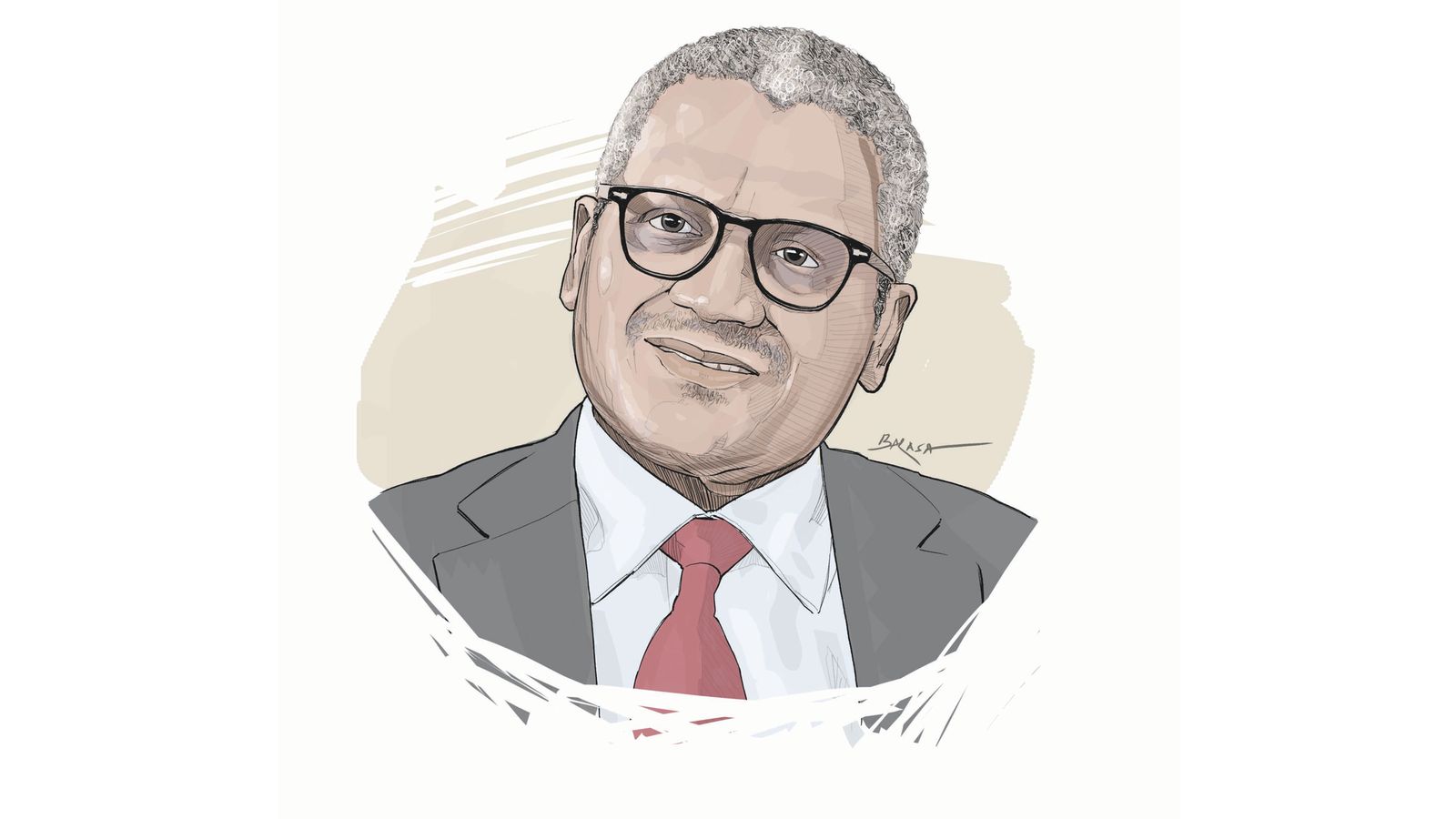
Aliko Dangote on Wednesday broke ground on a Sh2 trillion industrial project that is aimed at reducing East Africa’s dependence on imported fuel. While on his Kenya duty, Africa’s wealthiest industrialist shared his plan for Africa, how to grow wealth and why oil is here to stay.
How did Lamu end up as the location for the refinery, given the initial talk on Tanga in Tanzania?
It started as a discussion between me and the managing director of the African Finance Corporation, who wanted me to come down to Nairobi for a conference. I was also to speak to the President about fertiliser. The refinery doesn’t have to be where the oil is. If you look at Singapore, they have a big refining capacity but no oil.
Even if you look at where our refinery in Nigeria is, the oil is to the south. In determining where to put a refinery, we are looking at the availability of water; we are looking at the depth of the harbour, as we are bringing in huge ships.
We had also thought of Mombasa. Interestingly, before January this year, I had never heard of a place called Lamu. Once a presentation was made to our team, we realised Lamu is the best location for the refinery.
What’s the runway you anticipate for the stabilisation of the Lamu refinery?
We expect to ramp up the project quite fast, just as we did with the Nigerian refinery, whose output has stabilised to a capacity of 700,000 barrels per day.
How much have you crowded in so far in funding the Lamu refinery build?
From an equity perspective, we are almost done and have partner States including Kenya and Rwanda. Uganda has said it will also invest. The 30 percent share to partner States is small, but we will start from there. Once we are operational, we will list this refinery here at the Nairobi Securities Exchange.
What economic impact do you see from the project?
For us, it’s not only about the growth of Lamu but also the East African economy.
Some of the impact is not even direct, think of people selling food and opening shops. We will have increased disposable incomes, and from the 60,000 jobs to be created, there will be a lot of people to feed.
The refinery will also come up with a 1000-megawatt power plant, which is about 20 percent of Kenya’s installed capacity, half of which will be sold on to the government.
There are other industries which will come up around the refinery. For example, someone will take their factory to Lamu because there is enough power. I believe this project will add a few percentage points to Kenya’s gross domestic product.
Given the disruption seen around energy markets from the Middle East conflict, how has your Group gone about securing crude, which is an input for the refinery business?
Oil is here to stay, for a very long time, and we can see that a lot of countries are looking for oil. South Sudan has oil, Kenya will soon have its own oil and so will Uganda. Even for countries with oil, we have seen a move to raise production with the United Arab Emirates, for instance, leaving Opec because they are not happy with the recommended output quota.
Crude will come from all the East African countries that are producing, and then we will bring it from the Middle East and everywhere else.
What should be the expectation in terms of governance and minority shareholder protection once the Nigerian refinery becomes a publicly traded company?
We are going to have more independent directors than internal ones. If you look at the listed Dangote Cement, none of us from the Dangote team chairs any committee. We care more about our minority shareholders and as we go along, we will sell more shares as people demand to buy. Something we have seen repeatedly is that for people who do not list their businesses, if anything happens to them, those companies tend to go down and that’s not what I want to see.
You’ve spoken on the need to deepen African capital markets, including collaboration between exchanges. What do you think African exchanges should do to support pan-African initiatives like what you are pushing?
There has been a lot of change in terms of collaboration between African exchanges. This kind of collaboration will allow us to list projects like the refinery we are building in Lamu here in Kenya instead of Nigeria. Someone with interest in Nigeria can find a way to still invest in the company. The beauty of our business is that it’s dollarised and we also pay dividends in dollars, which removes concerns about valuation or foreign exchange losses.
Do you plan on expanding your refinery business to other markets on the continent beyond Nigeria and Lamu (Kenya)?
The two projects will deliver huge capacities. For the two projects, we will be buying about 3.5 percent of the world’s traded crude. Our capacity is not enough to feed the whole of Africa, but I am sure it will be good to leave some space for others. People will see we are successful and will come and join us.
You have accomplished a lot and have a big vision for the continent. What would be your advice for business-people in terms of achieving similar heights?
You must be consistent and focused. Don’t try to run 100 businesses, and don’t run a business you don’t understand. We were in banking before and we realised we were only investors and not professional bankers.
Have bigger dreams, as you won’t grow with small dreams. Yes, we have achieved something, but I will say we have achieved a lot when we deliver our 2030 Vision, which is to be the first African business with over $100 billion in revenues.
I will also say that business and pleasure don’t go along. If you are going to have fun, that fun won’t give you the mileage to go to where you need to be. If I personally were looking for luxury, I would be by the beach in the South of France, but I really want to leave a legacy on the African continent. Enjoyment does not go along with building a big business.
Is it possible to be like Dangote? You can even be bigger than Dangote. I started in 1978 selling four trucks of cement as a domestic trader. You need to know what you want to do and be focused.