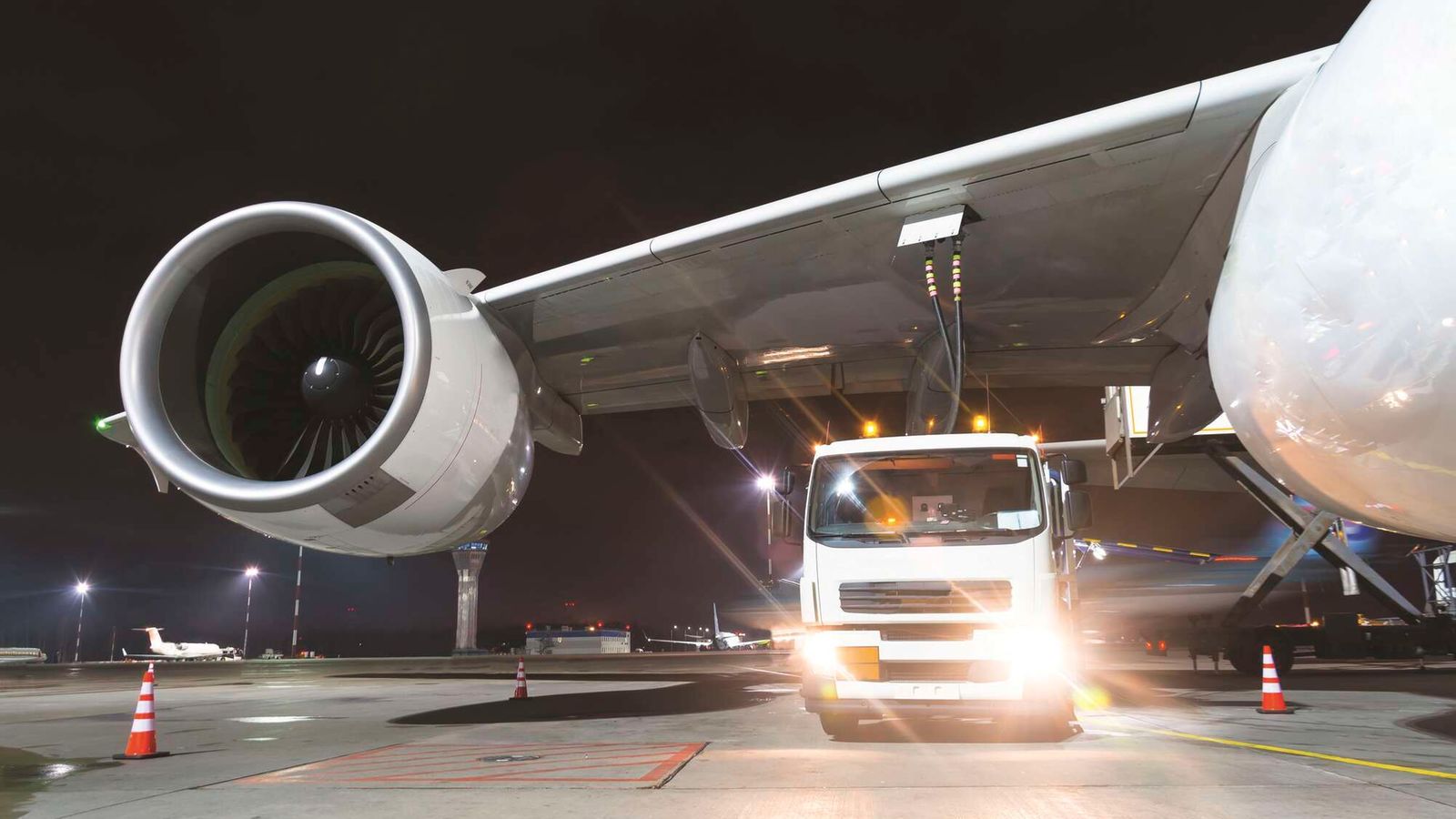
French oil multinational Rubis is the biggest seller of jet fuel in Kenya with the firm taking a leading 33.6 percent market share in the year ended June 2026, according to data from the Energy and Petroleum Regulatory Authority (Epra).
The market share of the multinational, through its local subsidiary Rubis Energy Kenya, is more than twice the 14.01 percent held by its closest rival, Be Energy.
Rubis’ lead is also more than twice the 16.66 percent combined share of the other two leading oil multinationals in Kenya, Vivo Energy and TotalEnergies Marketing Kenya. This is the first time that Epra has disclosed the market shares of oil marketers in the jet fuel sector.
Demand for jet fuel has significantly grown over the years, a move that has seen Rubis and other oil marketing companies (OMCs) fight to grow their sales of the commodity to airlines.
Rubis recently said that its sales of jet fuel have decreased marginally in the wake of an onslaught from rivals keen to tap into the growing demand for the fuel.
“Volumes in Africa (excluding bitumen) increased by one percent with a declining aviation segment, mainly due to the situation in Kenya, where competition remains fierce,” the French multinational says in its annual report for the year ended December 2025.
Epra did not disclose figures on the volumes of jet fuel that Rubis and the other OMCs sold in the year ended June 2026.
Overall consumption of jet fuel rose ten percent to 734,500 tonnes in the year ended December 2025, up from 669,000 tonnes the year before.
The OMCs are riding on the increased flights from international airlines to Jomo Kenyatta International Airport (JKIA) and the Moi International Airport in Mombasa and local budget carriers to grow their sales.
More flights taking off from the two airports recently prompted Kenya to import an emergency cargo of jet fuel to avert a shortage of the commodity that would have hit the two facilities in July this year.
JKIA has become busier in the past few months after it became an unexpected transit and refuelling hub because the Middle East conflict disrupted regional airspaces and main aviation hubs.
Rubis, Be Energy, Hass Petroleum and Stabex International dominate nearly three-quarters of the jet fuel market or 73.7 percent.
Hass is the third biggest player in the segment with a market share of 13.1 percent while Stabex is fourth at 12.9 percent.
Vivo and TotalEnergies have a share of 11.8 percent and 4.8 percent respectively of the jet fuel segment. The duo are the two leading OMCs in the overall market of diesel, petrol, kerosene and jet fuel.
Unlike diesel, petrol and illuminating kerosene, Kenya does not regulate prices of jet fuel, leaving market forces to solely dictate costs of the commodity.
While Rubis leads in the jet fuel business, its rivals are the top sellers of petrol, diesel and kerosene.
Vivo, retailer of Shell-branded fuel and lubricant brands, is the biggest OMC in the three petroleum products with a 19.7 percent market share, followed by Total at 14.12 percent and Rubis (14.04 percent).