Payment providers such as M-Pesa and Airtel Money can invest customer deposits in government securities and interest-bearing bank accounts amid growing calls for the firms to share the interest earned with the wallet holders.
The National Payments Systems Bill 2026 allows providers to keep investing deposits in these securities, potentially generating sizeable returns from the trillions of shillings deposited and moved through the platforms annually.
These funds do not sit in customer wallets for prolonged periods due to the movement via transactions, but still provide a sizeable deposit base for the trust account.
The deposits are usually held in trust accounts at various commercial banks and are ring-fenced from other uses.
This ensures the Central Bank of Kenya (CBK) regulates and oversees the customers’ money and keeps it separate from Safaricom operational funds.
Under the current regulations, the income earned from the trust account deposits can only be channeled to public charitable use, which includes poverty relief activities, advancement of education, human and religious rights, and protection of the environment.
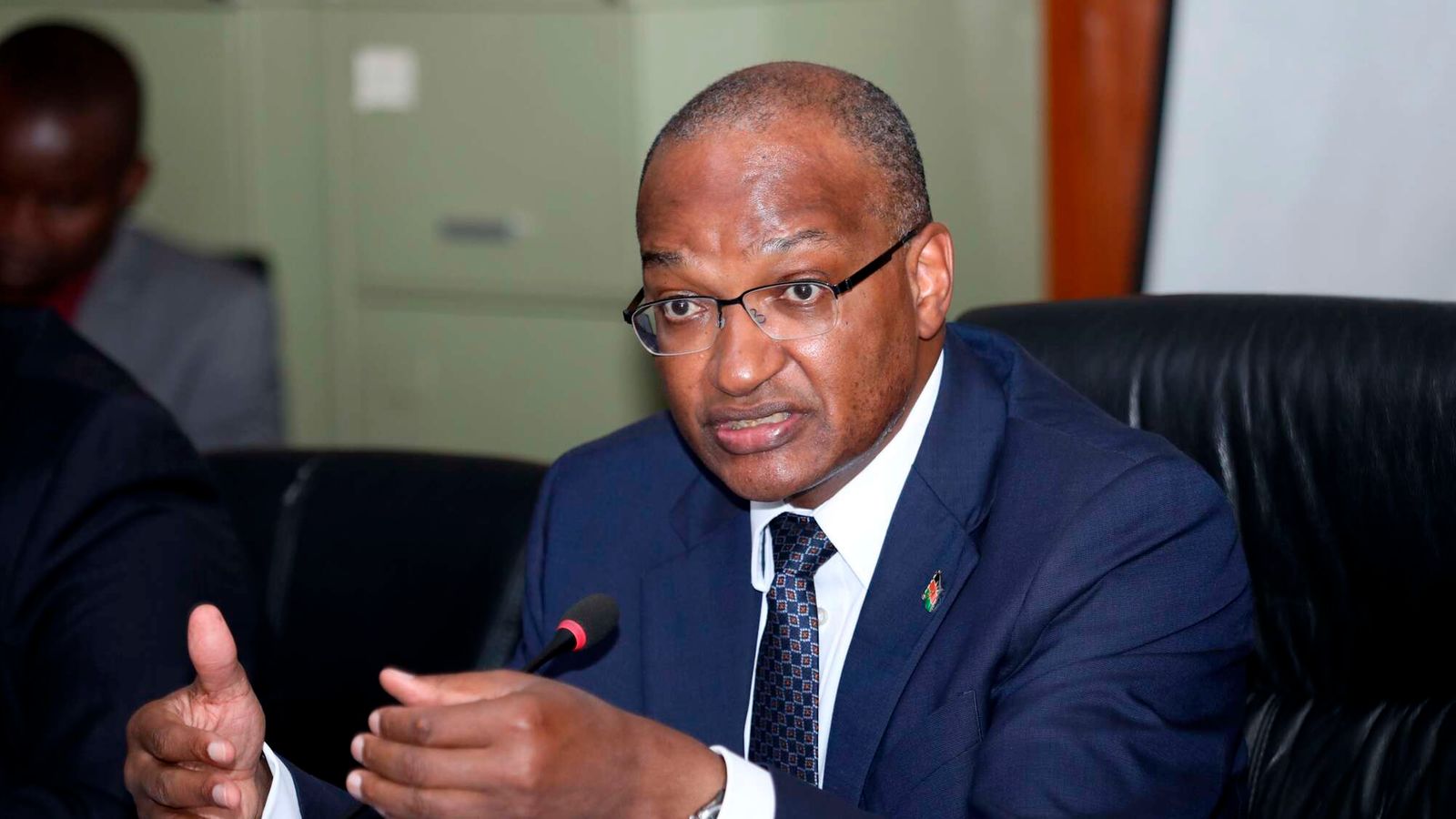
Former CBK governor Patrick Njoroge is calling for an amendment of the payments regulations to enable the owners of the funds to earn a share of the returns generated by the deposits when they are invested in bonds and fixed deposit accounts.
In his submission towards the new Bill, the former governor said that the deposits remain the financial property of customers, from which they should earn a bonus after the netting off of the expenses of the trust.
“This aligns with the reality of wallets as customers’ legal financial property and the practice in other countries such as Tanzania, Uganda and Ghana,” said Dr Njoroge in his submission.
“Kenya’s payment service providers have from the outset channelled these returns into charitable causes, a practice that remains a holdover from the industry’s nascent phase. Expectations that the total holdings in wallets would be small were overtaken and fears about competition with banks have dissipated.”
However, the regulations require that the balances in the trust account should not be less than what is owed to the customers.
The payment service provider is also required to submit to the bank holding the trust account customer information indicating the number of beneficiaries and aggregate amount attributable to the beneficiaries.
This would come in handy when estimating the surplus available for potential bonus distribution to wallet holders, or for charitable uses.
Dr Njoroge’s sentiments on the use of excess funds in the wallets come amid an increase in the services and usage of mobile platforms beyond the traditional sending and receiving of cash.
Businesses and individuals are increasingly utilising mobile money platforms for savings and investments, resulting in a larger float of cash sitting in their wallets compared to those using them for cash transactions only.
Part of the rationale for the new Bill is to improve the interoperability between payment service providers, through sharing of data and allowing their platforms to communicate and share funds securely with each other.
This would make it easier for Kenyans to move money and use financial services across banks, mobile money wallets and fintech platforms, regardless of their payment service provider.
“Each payment service provider or payment system operator shall use systems that are capable of securely sharing customer data with third parties for open finance purposes,” reads the National Payments Systems Bill 2026.
In his submissions, Dr Njoroge said that the interoperability should extend to sharing of agents of the payment service providers.
The telecommunications sector took a significant step towards greater interoperability when Safaricom opened its M-Pesa cash tills and paybills to rivals from 2022, but a gap remained since the telco’s customers could not utilise the tills run by Airtel Money, the second-largest mobile money platform in Kenya.
Airtel Money finally opened up its cash till and paybill platform to rival firms last year, completing the efforts to open up the mobile payments segment fully in the local market.
“The policy is silent about agent sharing, which remains a persistent concern. An interoperable agent network would allow customers to conduct cash-in and cash-out transactions at any authorised agent regardless of their service provider, while enabling agents to benefit from more efficient management of their combined float,” said the ex-governor.
The push to have seamless transfers of cash across all facets of rival payment platforms was primarily driven by the CBK in the section of its national payments blueprint touching on telco operators.
The first phase of the strategy involved opening up direct, person-to-person cash transfers across mobile money wallets run by rival platforms, which was implemented in 2018.
The third phase is expected to usher in the interoperability of agency networks, which will allow customers to deposit and withdraw cash from any agent outlet regardless of the sponsoring telco.