There is a curious symmetry to Mohamed Elmi Diisow’s life.
For more than two decades, he has made a name with words, using Somali poetry to express ideas, preserve culture and speak to audiences across generations.
Today, some of his most important listeners are not sitting at a poetry gathering or tuning into a radio programme. They are children in a classroom in Kajiado.
Diisow is the founder and chief executive officer of Elmi Diisow Academy, a school that began with just two learners and has grown to about 150. From Playgroup to Grade 6, the institution now has more than 20 members of staff, a school transport van and the routines that come with running a growing educational institution.
It is a striking second act for a man whose public identity was forged in poetry.
Known professionally as Abwaan Mohamed Elmi Diisow, or Abwaan Diisow, he carries a title deeply rooted in Somali literary tradition.
‘Abwaan’ is associated with a learned and knowledgeable person, particularly one experienced in poetry, language, literature and cultural expression.
For him, the title has followed him through more than 20 years of literary and cultural work.
His journey began long before he became a school proprietor. In 2008/2009, he became a member of Xiddigta, a newspaper published in Nairobi, giving him an early introduction to journalism and the media.
In 2010, he joined HADAF, an arts and awareness organisation that brought together young Somali poets, artists and journalists.
The Nairobi creative scene became a place where his interests in poetry, journalism and culture began to overlap.
Then, in 2014, came a leadership role that would deepen his understanding of the creative community. Diisow became chairman of Hillaac, an arts and literary group that brought together Somali musicians and artists in Kenya.
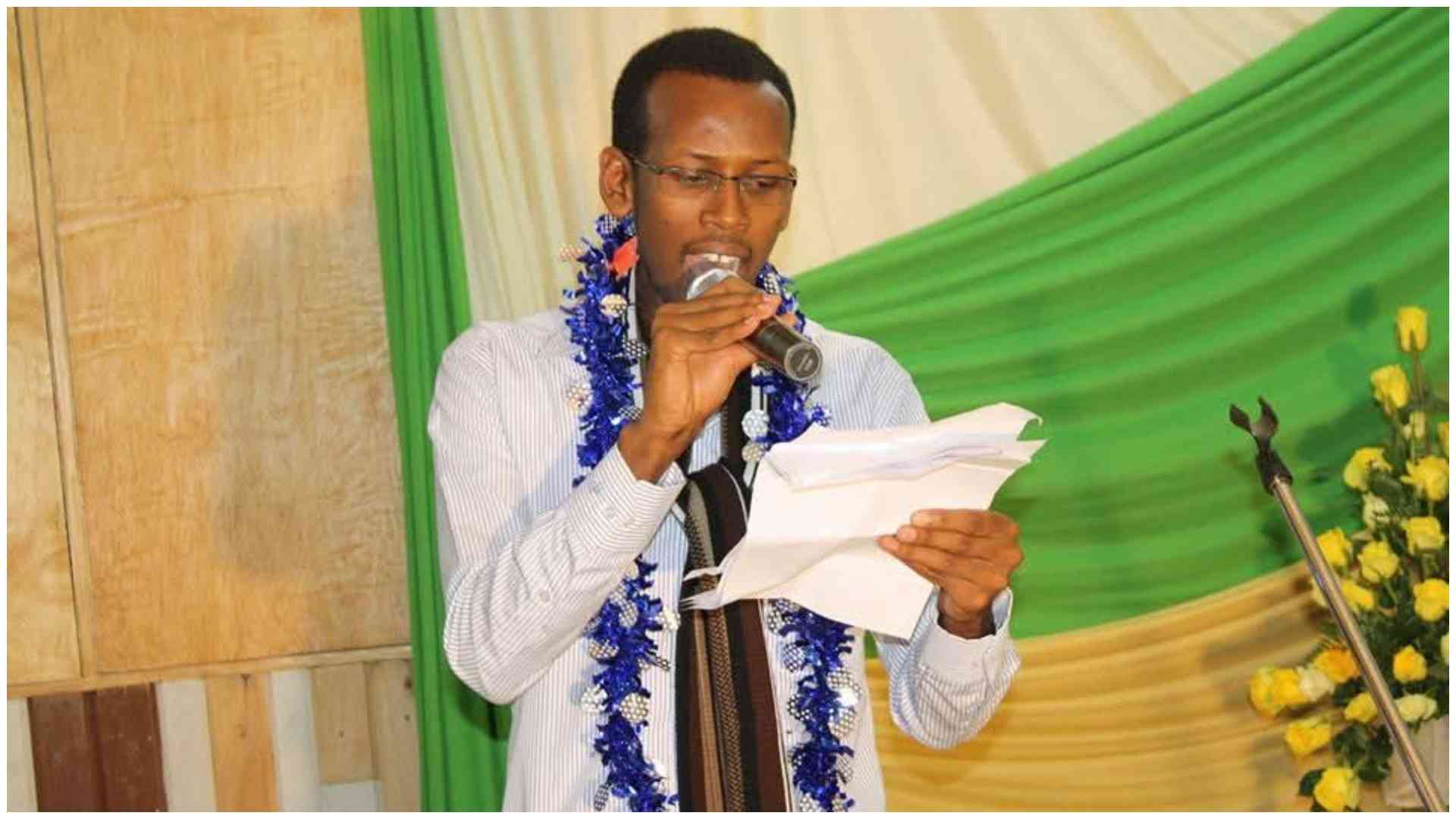
The work was not confined to writing poems. He participated in and organised cultural and literary events, working with other artists and creating spaces where creatives could meet and collaborate.
That experience would prove useful years later, when he found himself trying to build something much bigger than a poetry platform.
But before the school, there was journalism.
Diisow worked as an independent freelance journalist with BBC Somali and his poetry and literary work was featured across Somali and Kenyan media. His work has appeared or been broadcast through different platforms
For a storyteller, the media offered another audience and another way of reaching people.
Then the internet changed the rules.
Facebook, YouTube and TikTok allowed Diisow to communicate directly with audiences without waiting for a newspaper page, radio schedule or television programme.
The platforms may be digital, but the subjects remain familiar: poetry, culture, literature, education and community.
It was this long experience of communicating with people that eventually fed into his most ambitious project. His own academy started with two learners.
There was no large institution behind the idea and no long-established reputation to fall back on. There were simply two children and a vision that would have to be tested in the real world.
Today, about 150 learners attend the academy.
The growth is impressive on paper, but his story is less about the jump from two to 150 than what had to happen between those numbers.
The transition has required Diisow to exchange some of the solitude of the writer for the responsibilities of an institutional leader. His days now involve decisions that affect teachers, parents and children.
That evolution is now being recognised outside literary circles.
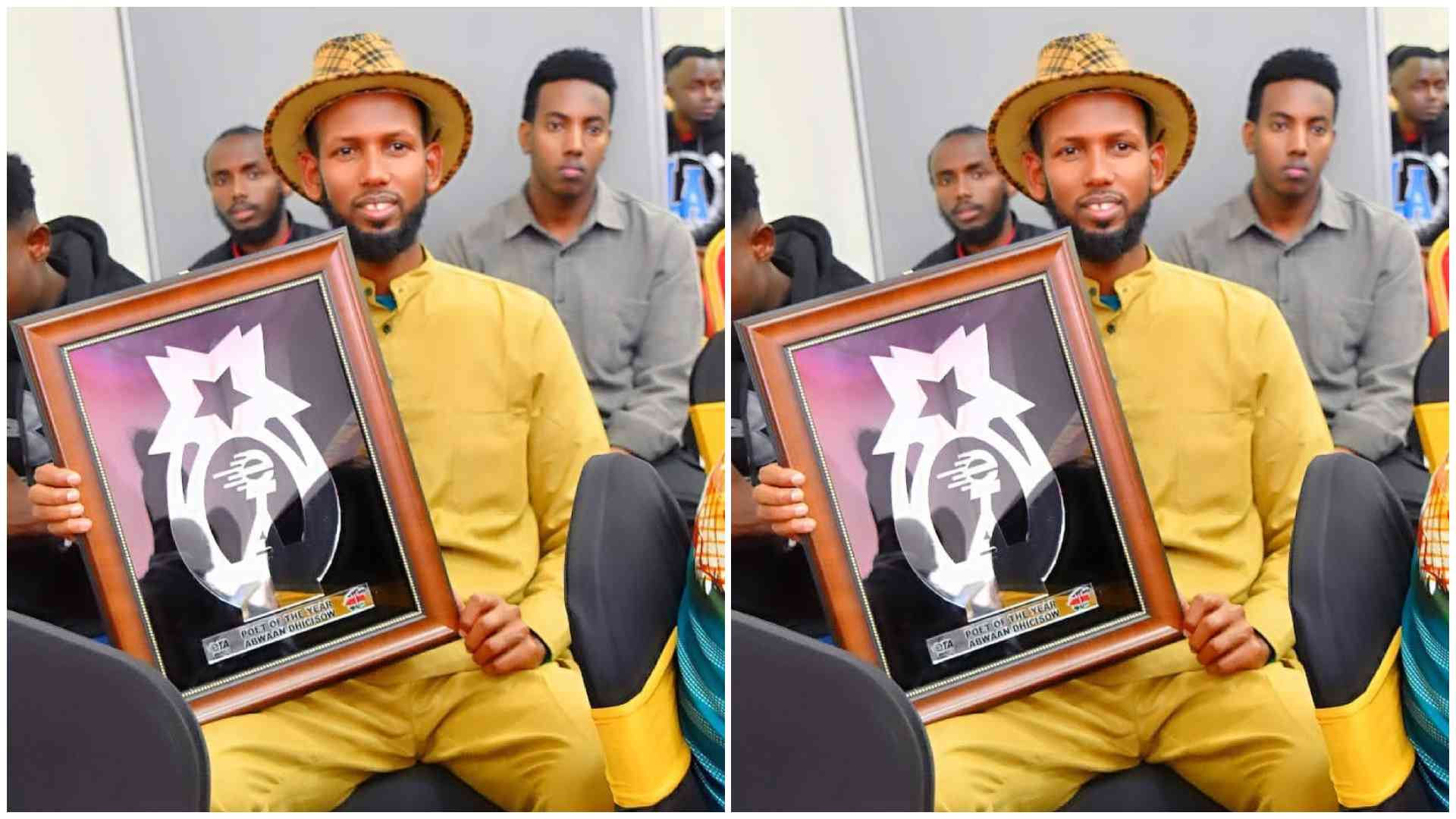
In 2023, he was named Best East Africa Poet of the Year at the Jamhuri KE Awards. In 2024, he won Poet of the Year at the ETA Awards. This year he found himself nominated for CEO of the Year at the ETA Awards.
The nomination marks an interesting change in the story of Abwaan Diisow. The recognition is no longer solely about the poet on stage or the writer behind the words. It is about the institution builder.
For someone who has spent years using poetry to preserve Somali culture, education offers another way of preserving a future.