The Masai Mara has a way of making you believe you know what comes next.
To an inexperienced safari-goer, the roles seem clear: the lion is the king of the jungle, the cheetah is the speed specialist of the plains, the leopard is the elusive master of camouflage, and the baboon is the noisy, cheeky opportunist of the bush.
We project our human hierarchies onto these animals, neatly sorting them into apex predators and helpless prey.
Then comes a moment that challenges those assumptions. Over two unforgettable days, I witnessed a wildlife encounter that unsettled my understanding of the relationship between predator and prey. It was a reminder that nature is unpredictable and rarely conforms to our expectations.
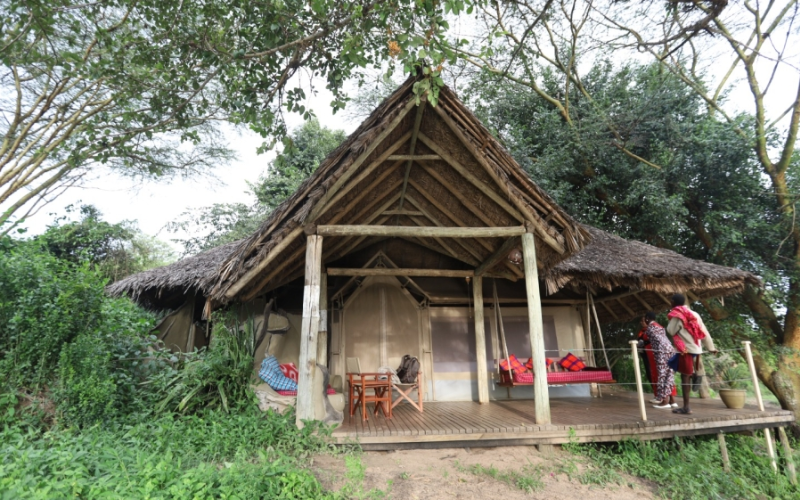
The drama began as night fell, reaching its most tense point around 10pm as we watched from the safety of our campfire at Keekorok Lodge. Earlier that evening, our naturalist guide, Saruni ole Manfred, had prepared us for what promised to be a rare wildlife spectacle involving a leopard and a troop of baboons.
High above us, a troop of baboons had sought refuge in the branches of ancient acacia trees, apparently aware that a leopard was in the area. The big cat, a skilled climber and nocturnal hunter, could turn their nighttime sanctuary into a dangerous place.
As we watched the base of the trees, another predator moved through the shadows. It was a cheetah, its sleek silhouette creating an unsettling contrast with the primates huddled above.
“When nature decides to rearrange the cast, you quickly realise you have been watching the stage without truly understanding the play,” Saruni told us.
The trees offered the baboons a refuge, but the presence of predators below made their safety far from certain.
Then came the moment that made the encounter particularly distressing. Amid the confusion, one of the troop’s babies slipped from the safety of the branches.
From our seats by the fire, we watched, frozen. The scene gave the impression of a troop struggling to protect its most vulnerable members in the face of danger. It was a sobering reminder of the risks that come with life in the wild.
As the campfire embers died, the encounter left us with more questions than answers. What would happen when the sun rose?
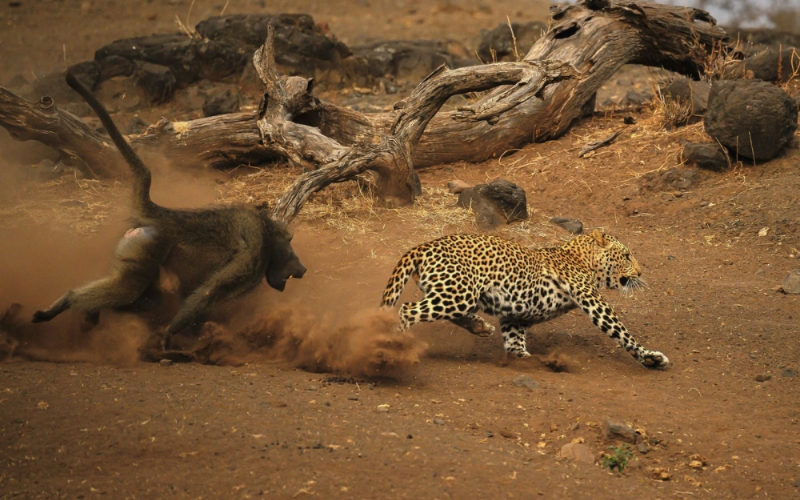
The following morning, during our game drive, we witnessed an extraordinary turn of events. The baboons were moving through the area, but the scene was no longer one of apparent retreat. The cheetah was still nearby, and the troop appeared determined to confront it.
What followed was a fierce, coordinated confrontation. The baboons bared their teeth, advanced on the cheetah and persisted in their efforts to drive it away.
Watching the scene unfold, it was difficult not to interpret their behaviour through a human lens. Had the troop returned to confront the animal that had threatened them the previous night?
That was the narrative the encounter seemed to invite. But wildlife rarely offers explanations that fit neatly into our emotional interpretations. Without evidence establishing the animals’ motivations, it was impossible to determine whether the baboons were retaliating, responding to an immediate threat or acting in response to other social and environmental factors.
What remained striking was the physical reversal. The cheetah, known for its extraordinary speed and hunting ability, appeared overwhelmed by the troop’s collective aggression.
The encounter was noisy, violent and unsettling. It demonstrated why wildlife observation demands humility. Relationships between animals are complex, and scenes that appear to tell a straightforward story may have explanations that remain beyond our understanding.
My days at Keekorok Lodge challenged my expectations, reminding me that encounters in the wild rarely follow a predictable script.
But the baboons and cheetah were only part of the Mara’s appeal. Giraffes bring a gentler rhythm to the landscape, while lions can turn an ordinary game drive into an unforgettable encounter, offering glimpses of social bonds and survival instincts.
Then there is the elusive leopard, rewarding patience and teaching visitors to look more closely into the bush. Together, these animals tell a larger story about habitat, behaviour and survival.
The Masai Mara offers no guarantee that wildlife will behave as we expect, and perhaps that is part of its greatest appeal. At Keekorok, the encounter between the baboons and the cheetah left me reflecting on how readily we assign roles to wild animals, and how often nature refuses to follow our script.