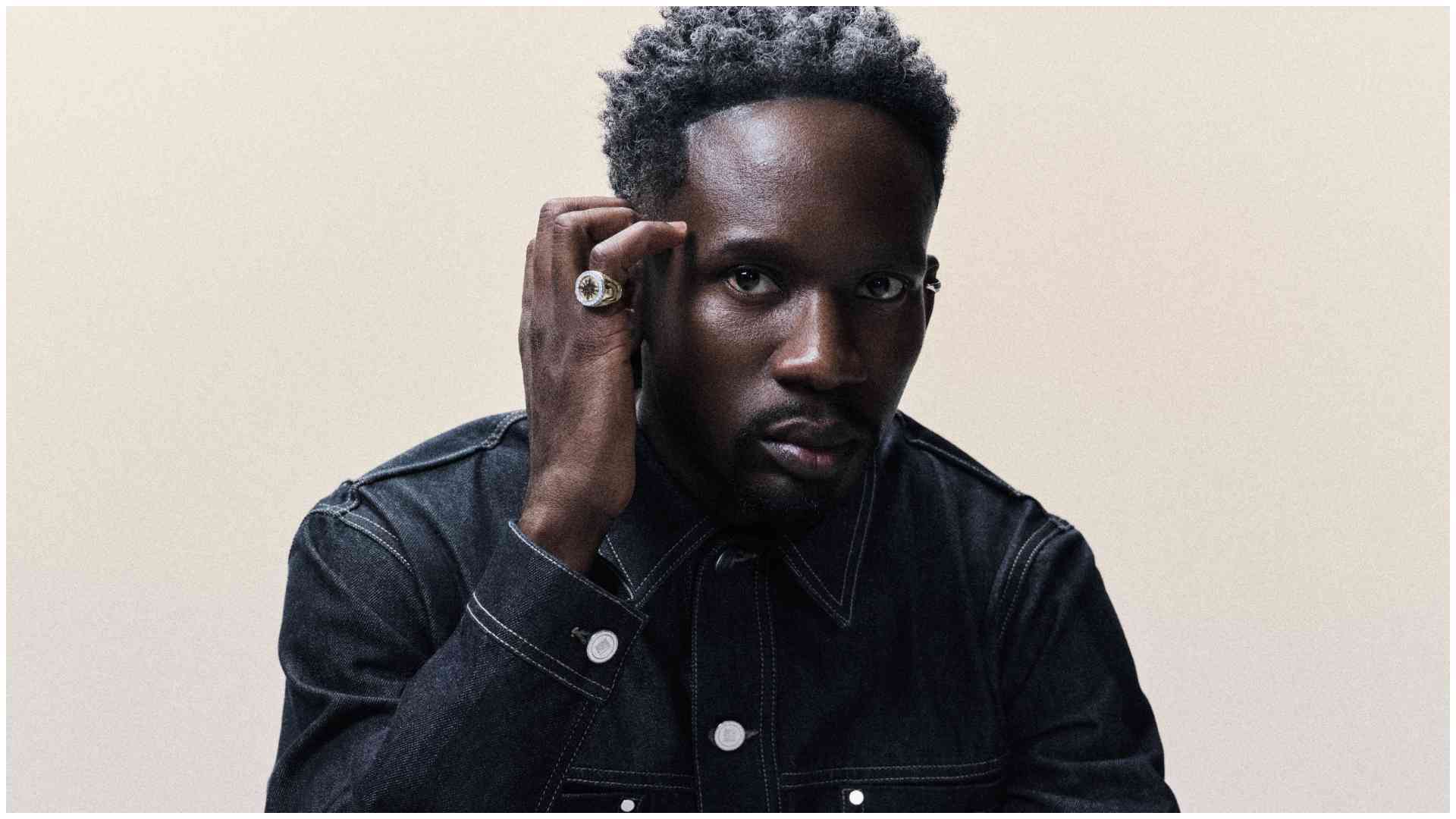
Last year, Mr Eazi reportedly paid $1 million (Sh129,190,000) to have multiple Grammy Award-winning American R&B singer John Legend perform at one of his three wedding venues. The wedding took place in Iceland. John Legend flew from the US.
Was this a surprise? Well, not to the many who understand Mr Eazi’s extraordinary lifestyle.
He has always been a trendsetter, a unique African icon creating many firsts in the innovation world. He is one of the world’s most-streamed artistes, a business leader and a philanthropist and he is not slowing down.
Big hits, among them Leg Over, Bankulize and Pour Me Water, as well as his collaboration with Beyoncé, pushed him to great musical success. But that notwithstanding, his talent incubator programme and digital music aggregator, emPawa Africa, created to fund and mentor emerging African artistes, earned him enormous respect, making him a global phenomenon.
It is true, Mr Eazi has spent the last few years building things that do not look like music.
Now, as Chairman of Choplife Gaming and ambassador of betPawa’s Locker Room Bonus (LRB), Mr Eazi is back, backing a programme that is changing one of the simplest parts of African sport, an innovation that is no doubt attracting attention around the world.
The star, who is driving African innovation through cross-border investments, tech-forward entertainment ventures, and talent incubator programmes spanning nearly 20 countries, cites Africa’s richest man, Aliko Dangote, as his inspiration.
Locker Room Bonus is a direct-to-player performance payment programme built around a straightforward idea: when a player contributes to a winning team, they should not have to wait weeks or navigate layers of administration to receive their reward.
Every player fielded on a winning team receives the same fixed bonus, paid directly to their mobile money wallet within minutes of the final whistle, before they leave the dressing room.
It is a model that puts performance, rather than reputation or status, at the centre of the reward, and one that reflects Mr Eazi’s broader interest in creating platforms through which African talent can participate, compete and benefit more directly from the value they create.
“It’s a simple and unique concept being applied here. There is no committee deciding who gets paid, no middleman determining who deserves what, and no difference in the rate based on a player’s reputation, position or status. The same principle applies to men’s and women’s squads. If you are fielded for the winning team in a covered match, you receive the same performance reward as your teammates.
“Nobody’s being rescued here. These are real players, real wins, real money in their hands. You don’t dress that up. It has to be real. They earned it,” Mr Eazi says.
Since launching in the 2022/23 season, the programme has expanded across eight African countries: Kenya, Nigeria, Ghana, Uganda, Rwanda, Tanzania, Malawi and Cameroon, and across football and basketball.
The programme has published payout data showing that LRB has paid more than US$1.67 million, reaching approximately 7,000 players and technical staff through more than 47,000 individual payouts covering more than 3,000 matches.
Just like his music, the programme is increasingly making waves across East Africa, where the model is moving beyond its established football base and into other sports.
Uganda has become one of the programme’s largest markets, with players earning more than UGX1.2 billion through LRB across the past two National Basketball League seasons, including playoffs.
Kenya is now taking that model into another sport, with Mr Eazi’s programme having partnered with the Kenya Volleyball Federation for the 2026/27 National League season, extending Locker Room Bonus into volleyball and bringing the programme to another community of athletes across the region.
Valued at approximately Sh17.3 million, the partnership covers 494 registered players and technical staff across the participating men’s and women’s competitions. Under the arrangement, 14 players and two technical officials from each winning team will receive Sh4,000 after every league victory, paid directly to their mobile money accounts.
“The move shows LRB is being developed as a model for African sport, with a system that can reward athletes directly across sports. It also offers clubs and leagues a structured way to manage performance payments while building equal treatment into women’s sport,” says Eazi.
“The wider ambition is to contribute to the professionalisation of domestic sport across Africa. This programme is not designed to replace salaries, contracts, federation funding or conventional sponsorship. Instead, it adds another layer to the sports ecosystem: a direct and measurable connection between performance and reward,” he adds.
The global star is now profiled among celebrated international artistes who have transitioned into tech investors and entrepreneurs, using their capital and influence to back startups across artificial intelligence, fintech, consumer tech, and blockchain. He joins Jay-Z, Justin Bieber, MC Hammer and Nas, as well as The EDM Producer Consortium (Tiësto, David Guetta, Steve Angello and Richie Hawtin), the latter being an electronic artistes pool investing in digital music and audio tech startups like Splice and LANDR.
Through QueensBridge Venture Partners, Nas made early, high-profile investments in tech giants like Dropbox and Coinbase, as well as smart doorbell company Ring, which was acquired by Amazon.
As for MC Hammer, after a career pivot in the 1990s, he became a Silicon Valley fixture, co-founding DanceJam.com and investing early in companies like Square and Bump Technologies.
Through his venture capital firm Marcy Venture Partners, legendary American rapper, songwriter, and business mogul Jay-Z has backed major tech and consumer startups, including Uber, while Justin Bieber has invested early in tech startups such as social streaming and messaging services, including a notable stake in Spotify and the selfie-sharing app Shots.