Environmental conservation advocates in Malindi are pushing for formal protection of the Sabaki Estuary, warning that plastic pollution and poor waste management threaten an ecosystem that supports coastal livelihoods and marine biodiversity.
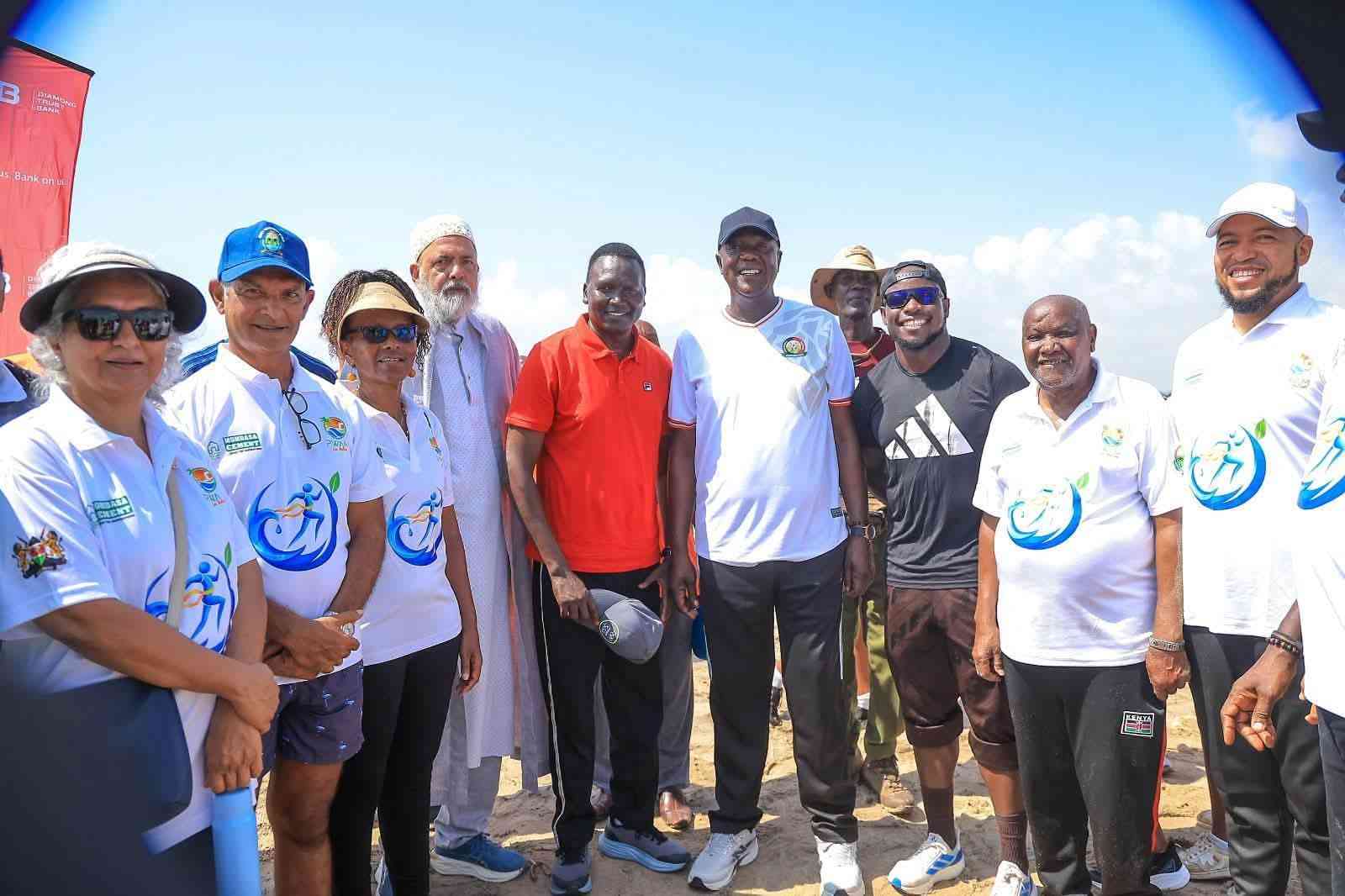
The call featured prominently during the inaugural Sabaki Estuary Wet-Sand Beach Race held on Saturday, November 28, where athletes, government representatives and conservationists came together to draw attention to pollution along the Athi-Galana-Sabaki River system.
Progress Welfare Association of Malindi (PWAM) chairperson Kate Mwikali said the estuary needed a formal conservation framework, supported by coordinated management and community participation, to address the environmental pressures it faces.
“The Sabaki estuary is where the Athi, Galana Sabaki River meets the Indian Ocean; it supports biodiversity, fisheries, livelihoods, and coastal resilience, yet it faces mounting pressure from plastic waste, unmanaged waste, and degradation of natural resources or habitats,” Mwikali said.
The estuary is the final destination of the Athi-Galana-Sabaki River, which traverses several parts of the country before emptying into the Indian Ocean. Waste discarded along the river system can travel downstream, making pollution a concern for communities far beyond the immediate coastline.
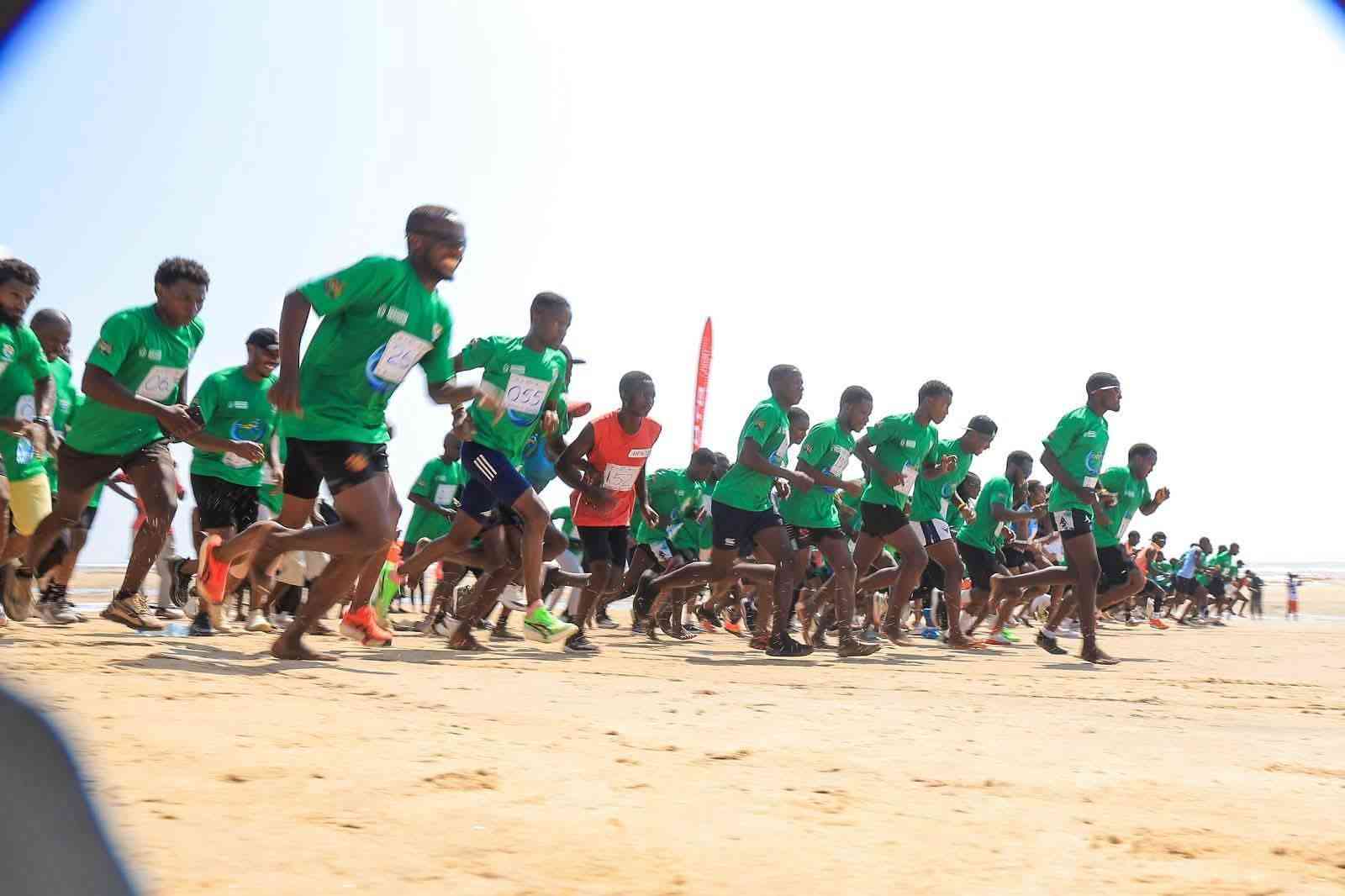
The race, organised by PWAM in partnership with Ecostride Association, featured a 10km wet-sand endurance race and a 3km eco-plogging challenge, combining running with litter collection.
Held under the theme ‘Running Against Plastic Pollution’, the event sought to use sport to draw attention to the connection between waste management upstream and the health of coastal and marine ecosystems.
Athletics legend Dr Paul Tergat, who served as the event’s patron, said the gathering was about more than competition, bringing together different groups around a shared environmental cause.
“Today we are gathered here not only to compete but to champion a cause greater than ourselves. We are gathered as athletes, corporate leaders, Government representatives, Development partners, conservationists, volunteers and members of the community united by a shared commitment to environmental sustainability and the future of our planet,” Tergat said.
Sprinter Ferdinand Omanyala was also associated with the event, which organisers hope will become an annual platform for environmental awareness and community action.
Beyond the race, PWAM wants to expand conservation activities through beach and underwater cleanups, mangrove restoration, waste recovery and youth participation in environmental enterprises.
The association said the initiative builds on its monthly beach cleanups, which began in 2019, and reflects a broader effort to involve local communities in protecting the coastline.
Rita Valentini, a conservationist who attended the event, emphasised the importance of protecting natural resources for future generations.
“We have to preserve the environment for ourselves, our children and the community, and I am so happy to be here today because we believe that initiative would be the best one, but it was not easy to start,” she said.
Brigadier (Rtd) Joseph Maina, chief executive of the Nairobi Rivers Commission, also spoke about efforts to address pollution along the river system, saying the commission was working to clean the waterways from Ngong through Athi River towards the Sabaki Estuary.
The organisers hope the race will help sustain public attention on the estuary and build support for stronger conservation measures involving government agencies, businesses and coastal communities.