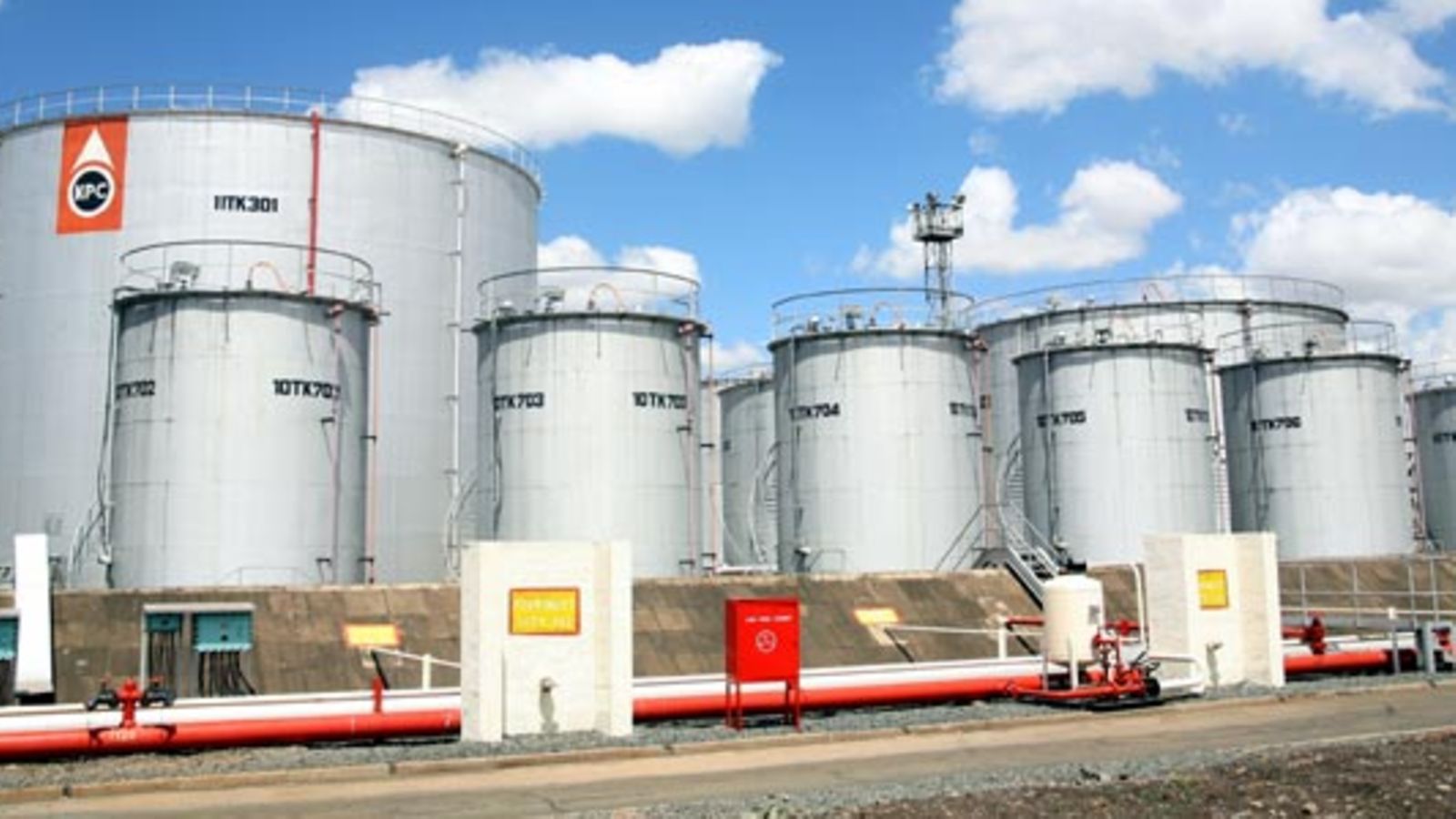
When I met Dr Kenne Belgrade, the emerging dealmaker who closed the $300 million block transaction transferring a 24.7 percent stake in Kenya Pipeline Company (KPC) to the Dangote Group, the first thing I sought was a breakdown of the deal.
If you are interested in numbers and facts, he thundered, the first point you must agree with is that no money was lost and that investors who bought KPC shares did not lose a dime.
Retail and local institutional investors bought the shares at Sh9 during the initial public offering (IPO), and he offloaded those blocks to Dangote at Sh9.36. Even after factoring in holding time, inflation, dividends and prevailing Treasury bond yields since the March flotation, value was preserved.
Belgrade’s contention is that while the IPO performed well, it left an unsustainable concentration of State-linked pension funds among shareholders. The initial transaction windows left insufficient time to market the offer to global institutional investors.
Offloading shares held by entities such as the NSSF and pension schemes sponsored by Kenya Power, KRA, KPC and KPA was a response to critics who argued that State funds had been coerced into propping up the listing.
Replacing public sector capital with a private titan validated the IPO price that sceptics claimed was inflated.
Having spent weeks in European capitals and the Gulf engaging with risk-averse, condescending foreign investors demanding exhaustive due diligence across the entire infrastructure network, the Dangote Group arrived as a Godsend, wrapping up negotiations within two weeks as the $300 million transaction was concluded.
The numbers on the cap table shifted dramatically. NSSF’s stake plummeted from 22 percent to 6 percent, the Public Service Superannuation Scheme dropped to 6 percent, and individual State-linked pension funds exited entirely.
The broader picture, however, extends far beyond share counts.
KPC is a commercial tollgate for East Africa’s petroleum flows, and three competing business models now clash around its pipeline assets: Kenya’s government-to-government import system, the Vitol-financed trader model supplying Uganda, and Dangote’s proposed import-displacing refinery at Lamu.
The amended Memorandum and Articles of Association convert this commercial tug-of-war into a boardroom contest. The Kenyan government retains 35 percent, while Uganda, which accounts for roughly 65 percent of transit volumes, holds 20.15 percent through UNOC.
Dangote holds the second-largest block at roughly 24.7 percent. Yet, despite his massive outlay, Dangote holds no explicit veto powers.
Reserved-matter vetoes over the CEO appointment, tariffs, capital structure and business plans belong exclusively to joint approval by the Kenyan and Ugandan government directors.
Because special resolutions require an 81 percent vote threshold under the amended governance documents, the voting arithmetic gives the Kenyan government, Uganda and Dangote each an effective blocking minority.
But ordinary board mechanics favour the incumbents. Article 24 reserves seats for the Treasury, Uganda, local institutional groups and oil marketing companies, forcing any other director through a tight Nomination Committee gate. Dangote enters as an outsider on the cap table.
His interests naturally look beyond simple dividend yields; he requires offtake and infrastructure alignment for his Lamu refinery, putting his agenda in direct conflict with existing import margins and trading houses.
Does the Kenyan State risk losing operational control? A hostile takeover via rights issues remains an uphill task because the voting threshold required to introduce capital expansions onto the corporate agenda is intentionally set too high.
Furthermore, under the Sessional Paper through which Parliament ratified the privatisation, reducing the State’s remaining 35 percent holding requires explicit legislative approval.
Governance dynamics remain delicate. Since the IPO, KPC has experienced administrative friction, key staff turnover and an unprecedented rise in trade union militancy at a utility historically free of industrial action.
Simultaneously, Uganda has begun asserting direct influence, with its Treasury and Energy permanent secretaries taking board seats and unlocking stalled executive appointments.
The future hinges on which alignment breaks the impasse. Dangote may remain contained as a passive major shareholder, kept away from executive levers by reserved vetoes. Alternatively, Dangote and local import networks could find operational convergence on upstream crude storage and transport, or Uganda could be persuaded to shift its product strategy towards the Lamu refinery.
The $300 million transaction rebalanced the share register, but it has ensured that KPC’s boardroom will remain the primary arena for the region’s energy politics.