The government is struggling to turn its affordable housing programme into cash to fund the next phase of accelerated construction, with completed homes filling faster than revenue generated from sales and upfront deposits.
The Affordable Housing Board collected Sh212.342 million from sold units in the year to June, against a Sh15.25 billion target, achieving only 1.4 percent of projected revenue.
The Sh15.04 billion shortfall raises questions about the State’s plans to increasingly use proceeds from completed houses to finance new projects in coming years, rather than relying mainly on the housing levy taxed from workers’ monthly earnings.
“Target [was] not met; most units were sold on TPS [monthly Tenant Purchase Scheme or rent-to-own payments] as opposed to the projected cash sales,” the State Department for Housing and Urban Development wrote in a budgetary report to the National Treasury.
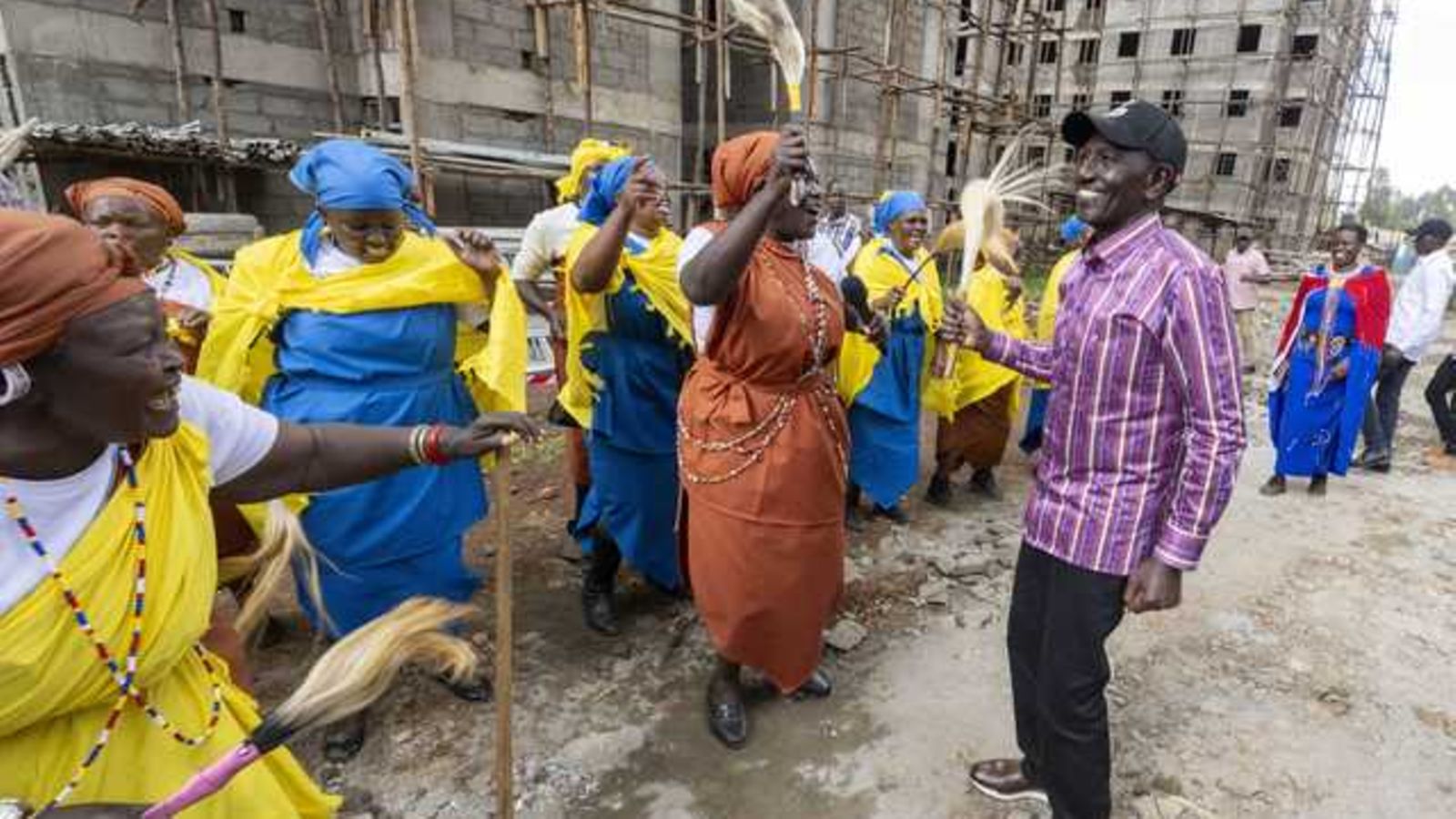
Rent-to-own models allow tenants to occupy a home and build equity through monthly payments. The report shows a sharp contrast between weak cash collections and strong take-up of completed units. This is after occupancy of completed affordable housing reached 94 percent, beating the government’s 90 percent target for the year ended June.
Figures suggest the immediate challenge is not simply whether households want the homes, but how quickly the government can turn that demand into cash to recycle into construction.
The State had completed and handed over 1,836 affordable houses by June, while another 1,380 units were substantially complete at 98 percent, according to the report published by the National Treasury.
A further 103,251 units were under construction, although they were 35 percent complete on average, while another 65,649 units were still under procurement.
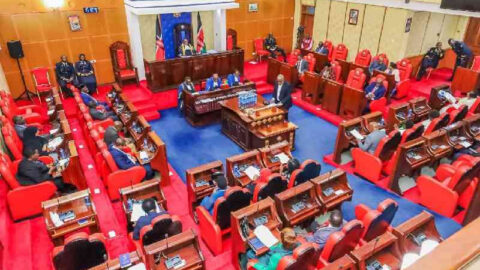
President William Ruto’s administration has nevertheless been planning for a dramatic expansion of spending on State-backed housing from the year starting July 2027, with sales proceeds expected to become an increasingly important source of funding. Budget projections, approved in early June by the National Assembly, show spending on affordable, social and institutional housing, together with related infrastructure, is expected to rise to Sh360.1 billion in the 2027/28 fiscal year.
That would represent a 227.3 percent increase from the Sh110 billion budget projected for the current financial year ending June 2027.
Affordable housing alone is projected to account for Sh201.1 billion in the year starting July 2027, nearly four times the Sh50.7 billion allocation projected for the current year.
That allocation to housing and related infrastructure will be the government’s largest development spending area, overtaking roads, whose allocation is projected at Sh197.93 billion.
The planned jump in spending is based partly on expectations that completed houses will begin generating enough revenue to support fresh construction.
Housing Principal Secretary Charles Hinga said the government’s projections were based on higher receipts from both housing sales and the levy.
“The Sh360 billion projection includes funds expected to be realised from projected housing sales and increased levy collections,” Mr Hinga said in May.
The latest revenue figures, however, show the scale of the task facing the programme if housing sales are to become a major financing stream.
The government had expected Sh15.25 billion in sales during 2025/26 but collected only Sh212.342 million, with the department saying most transactions shifted from anticipated cash purchases to tenant purchase schemes.
Under the tenant-purchase or “rent-to-own” payment model, households pay for their homes over time, allowing occupants to move into completed units without making the full purchase price upfront.
That model can broaden access to houses, but it also means the AHB receives payments over a longer period rather than the large immediate receipts assumed under cash sales.
Underperformance in revenue collections from the houses means the project faces a potential mismatch between the timing of expenditure and revenue, as the Housing department seeks to build thousands of units today while relying on future payments from households to replenish funds.
This is critical given the scale of construction still required. Out of the programme’s 217,654-unit target, a marginal 1,836 units had been completed and handed over by the end of June.
The department said the annual construction target was also missed because of “delays in the procurement process”, with overall progress reaching 22.8 percent against a 30 percent target.