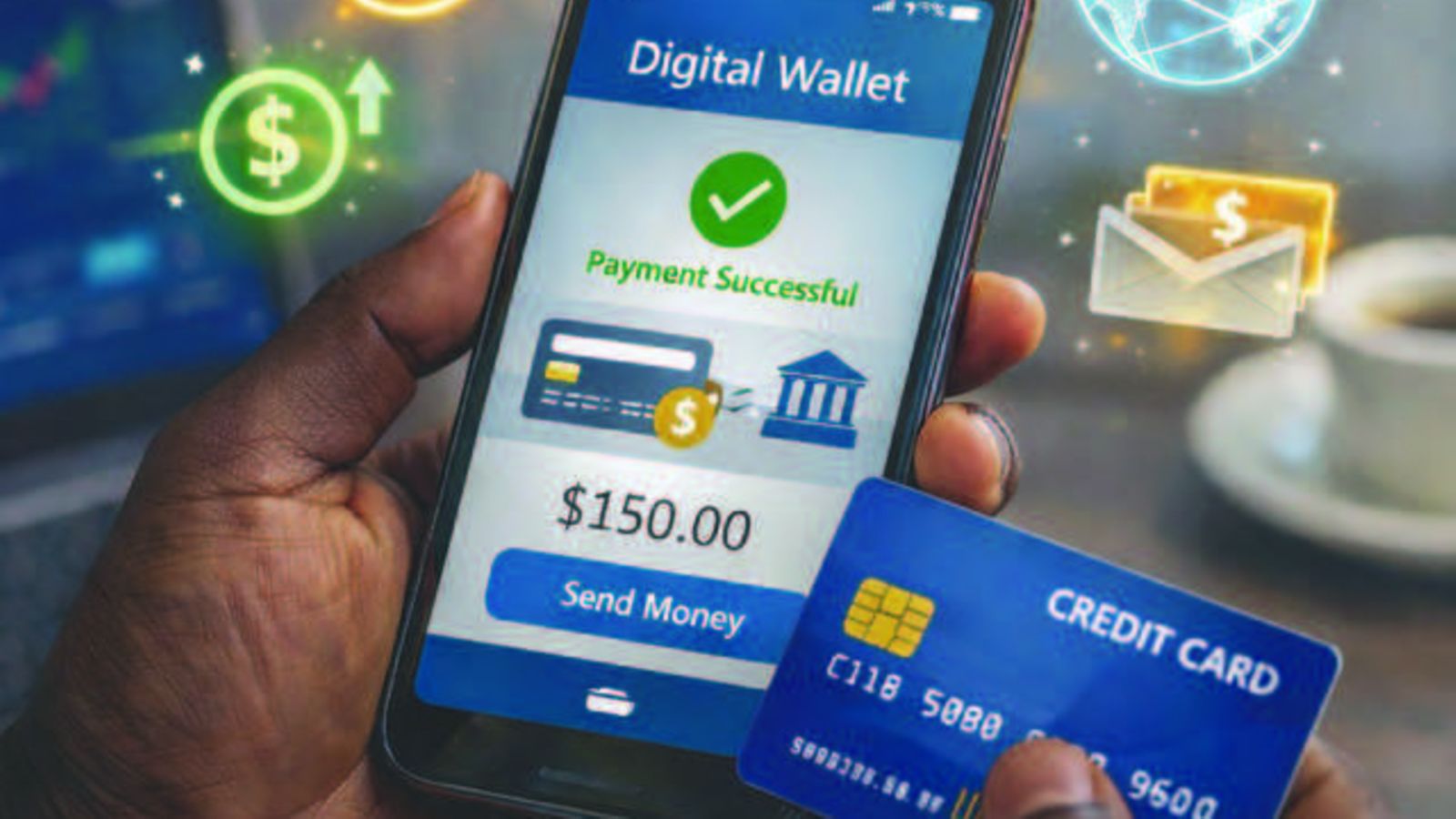
Banks are set to allow their customers to send money using their mobile phone numbers instead of the current requirement of account numbers, in a move that seeks to replicate the simplicity that has helped telcos grow their mobile money business in personal cash transfers.
Customers will no longer need to ask for or share bank account numbers when sending money under a new system that will allow their mobile phone number to act as simple payment identifiers.
The change means a person sending money from a bank or Sacco will only need to know the recipient’s phone number, without having to know their financial institution or obtaining their account details.
PesaLink Chief Executive Gituku Kirika said in an interview that the new product is ready for rollout and will target the more than 200 financial institutions that currently use Pesalink, including banks, Saccos, fintechs and telcos. Pesalink is 100 percent owned by the Kenya Bankers Association (KBA).
“The idea is to have an alias, which is an identifier that is known to people and will be securely linked to a store of value. The platform is read and what is remaining is for the participants to start the mapping,” said Mr Kirika.
The development mirrors change in other instant-payment markets such as India and South Africa, where proxy identifiers have been used to simplify payments.
The move will save customers from having to key in or share the long bank accounts, usually up to 16 digits, when they want to transact. This will simplify the payments journey as it is with mobile money services such as M-Pesa and Airtel Money where all the customers need is the phone number that can be easily remembered or recalled from the contacts list.
The simplicity of using mobile numbers has helped telcos process trillions of shillings per year including person-to-person payments. India’s Unified Payments Interface (UPI) ID allows users to make payments using identifiers instead of sharing conventional bank account details.
South Africa’s PayShap uses ShapIDs. The ShapID is a simple proxy identifier, usually a customer’s mobile phone number, that is linked to their bank accounts in South Africa, allowing them to send and receive instant payments without sharing the long account numbers.
In Kenya, a customer will request their bank or Sacco to map their phone number to their account. The phone number will then become the customer’s PesaLink ID and can be used by others to send money to them.
For institutional customers, banks and Saccos will instead assign a random number as the PesaLink ID, which will then be linked to the relevant account. The system will also allow customers to change the account linked to their PesaLink ID without changing the identifier itself.
“For example, if I am your employer and I am paying you, all I need is the PesaLink ID,” said Mr Kirika.
A customer changing banks would therefore only need to visit their new institution and remap the existing ID to the new account, without having to notify an employer or other regular payers of a new account number.
“The ID remains the same but the customer can change the store of value where it is mapped. We are changing the language of transaction from sending to an account number to sending to a PesaLink ID,” said Mr Kirika.
The expansion comes as PesaLink seeks to deepen interoperability across Kenya’s financial sector by bringing different types of institutions onto a common payments infrastructure.
Pesalink is also currently onboarding more institutions onto its “Lipa na Mbao” campaign which has so far seen 25 banks, microfinance banks and Saccos cut fees for money transfers from as high as Sh250 to a flat fee of Sh20 for transactions above Sh1,000 and up to Sh999,999 and zero charges for transfers below Sh1,000.