The menopausal transition, or perimenopause, is a period of hormonal and physical change that occurs over several years.
Women may experience changes in bone density, increasing their long-term risk of osteoporosis and fractures. The changes also affect the cardiovascular system, brain, muscles and joints.
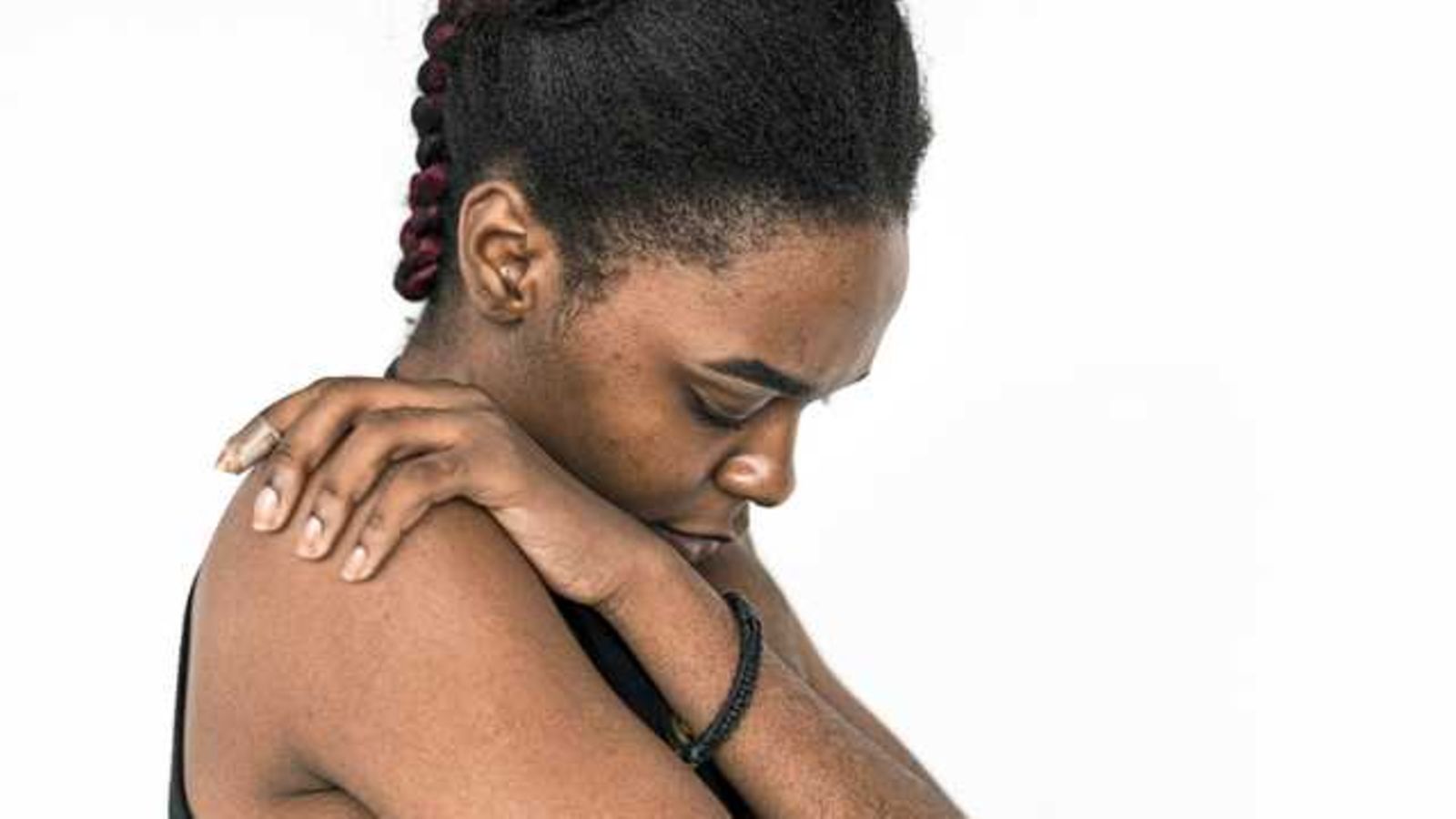
One condition that has attracted little attention is frozen shoulder, medically known as adhesive capsulitis.
“Frozen shoulder is characterised by pain and progressive stiffness of the shoulder, with increasing difficulty moving the arm. It can affect anyone, but it appears to occur more frequently in women, particularly during the menopausal years,” explains Dr Maina Muriithi an obstetrician gynaecologist at Aga Khan University hospital.
He notes the condition typically develops gradually. Pain may be the first symptom, followed by increasing stiffness and a progressive reduction in the range of movement.
“Simple activities such as dressing, reaching overhead or placing the hand behind the back may eventually become difficult.”
However, he says, “frozen shoulder is not exclusively a menopausal condition, and menopause should not automatically be assumed to be the cause of shoulder pain.”
“There does appear to be an association between the menopausal transition and musculoskeletal problems, including frozen shoulder. The precise nature of this relationship is not fully understood,” Dr Maina says.
One proposed explanation relates to declining oestrogen levels. Oestrogen receptors are found in tissues involved in movement function, including tendons, connective tissue and joint structures. Changes in oestrogen signalling may influence inflammation, collagen metabolism, tissue repair and the health of connective tissues
“During menopause, hormonal changes are also associated with changes in body composition, muscle mass and bone metabolism. These changes may contribute to the musculoskeletal symptoms that many women experience.”
“It would be an oversimplification to say that low oestrogen directly causes frozen shoulder,” he says.
Dr Maina points out that frozen shoulder also occurs in men and in women who are not menopausal. It can be associated with other conditions, including diabetes and thyroid disorders, and may occur following shoulder injury, surgery or prolonged immobilisation.
“The shoulder is a remarkably mobile joint. It consists of the upper end of the arm bone, the shoulder blade and a surrounding capsule containing supporting ligaments, tendons and other soft tissues,” explains Dr Maina.
“The joint is lined by a synovial membrane, which produces synovial fluid that helps lubricate the joint and facilitate movement. In frozen shoulder, inflammation develops within the joint capsule. Over time, the capsule can become thickened and contracted with fibrosis and adhesions developing. This progressively restricts movement and can cause significant pain and stiffness.”
Think of it as a highly engineered mechanical system in which the normally flexible surrounding tissues become inflamed, thickened and less elastic. The result is a joint that becomes increasingly difficult and sometimes extremely painful to move.
No. Dr Maina notes that although bone and joint symptoms are common during the menopausal transition, persistent or severe shoulder pain and restricted movement should not simply be dismissed as “part of menopause.”
“A woman presenting with new musculoskeletal symptoms should be appropriately assessed. Shoulder pain can arise from several conditions, including rotator cuff muscles disorders, osteoarthritis, inflammatory arthritis, trauma and, less commonly, infection or other significant pathology,” he cautions.
Similarly, generalised bone pain, significant back pain or a fracture after minimal trauma requires appropriate evaluation rather than being automatically attributed to menopause.
“The decline in oestrogen during and after menopause accelerates bone loss in many women. Over time, this can contribute to osteopenia and osteoporosis, increasing the risk of fractures.”
The spine, hip and wrist are particularly important sites because fractures in these areas can have significant consequences for mobility and quality of life.
Women may also report back and joint pain, muscle aches and stiffness, reduced muscle strength,changes in posture and reduced physical activity.
The severity of menopausal symptoms varies considerably between individuals, and the presence of severe menopausal symptoms does not by itself establish the presence of osteoporosis,” he adds.
Dr Maina notes depending on the severity and stage of the condition pain relief and anti-inflammatory medication may be used where appropriate. Physiotherapy is an important component of treatment, with exercises aimed at maintaining and gradually restoring shoulder movement.
“In some patients, corticosteroid injections into the shoulder can provide significant short-term relief, particularly where pain is limiting movement and rehabilitation administered by qualified medical personell.”
More persistent or severe cases may require assessment by an orthopaedic surgeon or musculoskeletal specialist. Additional procedures may occasionally be considered when conservative treatment does not provide adequate improvement.
“Hormone replacement therapy (HRT), can be highly effective for women with bothersome vasomotor and other menopausal symptoms when appropriately prescribed,” he says.
However,he cautions HRT should not be prescribed solely as a treatment for frozen shoulder.
“Current evidence does not establish HRT as a stand-alone treatment that reverses adhesive capsulitis,” he says. “The decision to use HRT should instead be based on the woman’s overall menopausal symptoms, medical history, risk factors, preferences and the potential benefits and risks of treatment.”
Additionally regular weight-bearing and resistance exercise can help maintain bone and muscle strength. A balanced diet containing adequate calcium and protein, together with appropriate vitamin D intake, supports bone health.
Vitamin D supplementation may be appropriate in women who are deficient or at increased risk of deficiency.
Women should also avoid smoking and limit excessive alcohol consumption, both of which can negatively affect bone health.
“Bone-density assessment using dual-energy X-ray absorptiometry (DXA) is an important tool for assessing osteoporosis risk. It is not necessary for every woman simply because she has reached menopause; the decision to perform a DXA scan depends on age, risk factors, previous fractures and other clinical considerations,” Dr Maina adds.