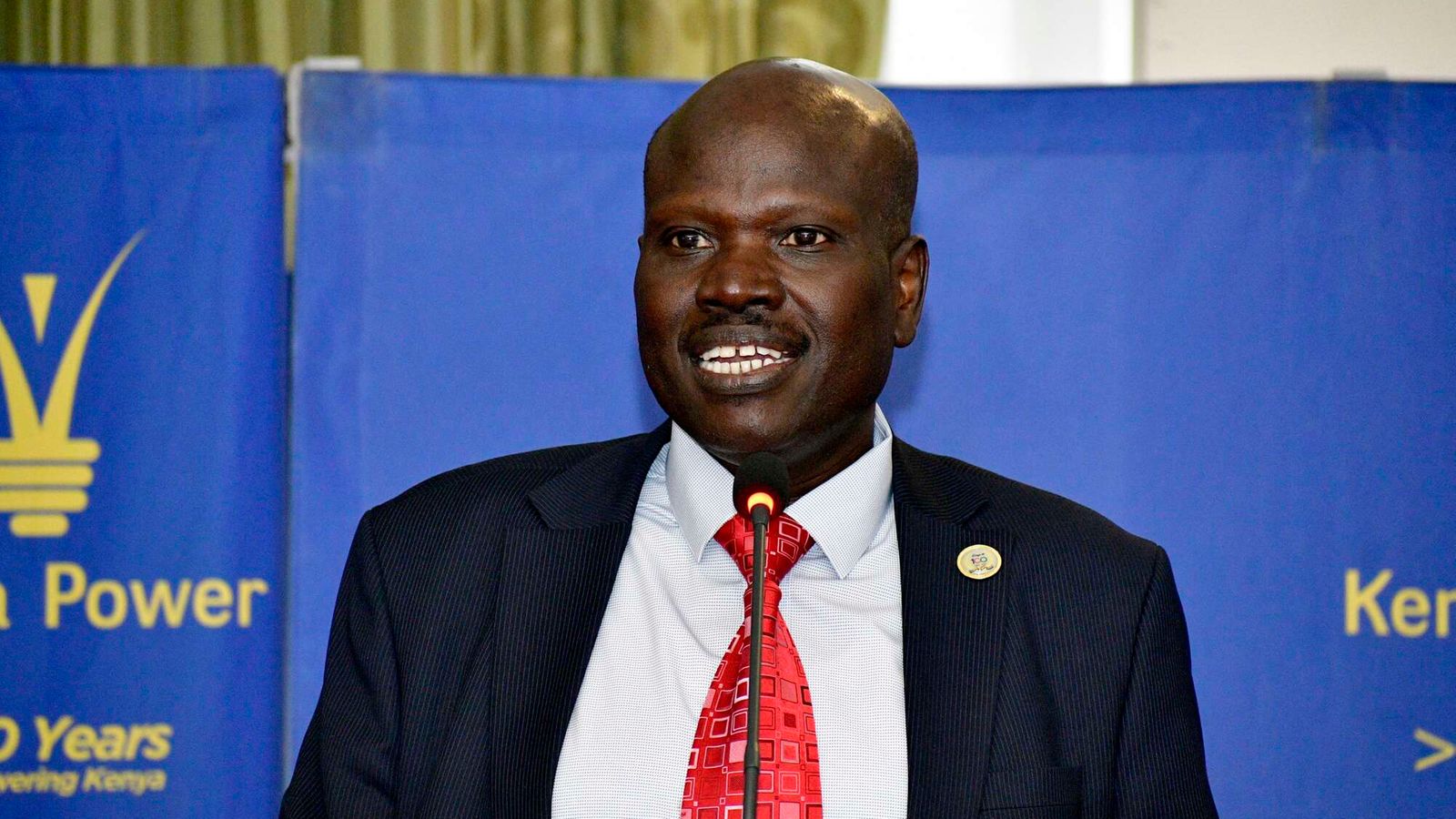
Kenya Power’s chief executive officer Joseph Siror’s annual pay nearly doubled to Sh46.02 million in the year ended June 2026, as the company rewarded its top executive for a third straight year of profits and higher dividends.
Mr Siror’s payslip was enhanced by a higher base salary and expense allowances, and a gratuity that was absent previously. He was paid a total of Sh24.14 million in the year ended June 2025, and Sh23.26 million in 2024.
Latest filings in Kenya Power’s annual report for 2026 show that Mr Siror’s base salary rose from Sh17.37 million to Sh23.07 million in the latest financial period, while his expense allowances increased to Sh10.52 million from Sh6.77 million a year earlier.
He was also handed a gratuity of Sh12.44 million this year, marking the first time he has received this type of payment since taking over as CEO in May 2023.
Mr Siror’s fatter pay reflects the company’s continued profitability under his tenure, which has been accompanied by progressively higher dividends for shareholders.
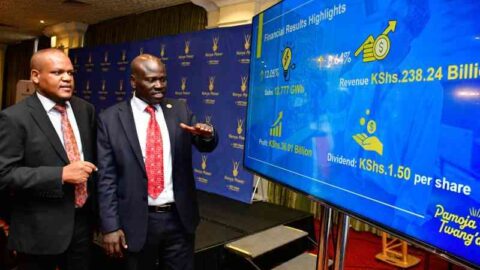
Kenya Power reported a 2.1 percent growth in net profit to Sh24.99 billion in the year ended June 2026, helped by an 8.6 percent increase in revenue from electricity sales to Sh238.24 billion.
However, a 5.5 percent increase in cost of sales to Sh152.7 billion and a 26.7 percent jump in operating expenses to Sh53.8 billion capped the growth in profit.
The company raised its dividend per share for the year by 50 percent, to Sh1.50 per unit from Sh1 in 2025, translating to an increase in total distribution from Sh1.95 billion to Sh2.93 billion.
In the year to June 2024, Kenya Power paid a dividend of Sh0.70 per share, or Sh1.37 billion, having turned around to a net profit of Sh30.08 billion from a net loss of Sh3.19 billion in 2023. The 2024 dividend ended a seven-year payout drought at the utility.
Overall, Kenya Power’s compensation to its board rose to Sh112.77 million from Sh58.87 million a year earlier. The increase was primarily driven by higher expense allowances of Sh51.9 million from Sh31.4 million previously across the board, in addition to Mr Siror’s improved remuneration.
Companies usually reward executives with higher pay or bonuses for hitting a number of milestones which can include profit growth, returns to shareholders or operational efficiencies.
However, while boards of listed firms set the executive pay, companies such as Kenya Power and KenGen where the government has a majority stake have another layer of approval from the Salaries and Remuneration Commission (SRC)—which controls public sector pay.
This means the likes of KenGen and Kenya Power tend to pay their executives less than their private sector peers that have similar levels of assets and profitability, for example listed banks.
The best paying lenders such as Co-operative Bank of Kenya and KCB Group, and other blue-chips such as Safaricom and EABL pay their top executives more than Sh100 million annually.
In the year ended December 2025, Co-op Bank chief executive officer Gideon Muriuki was paid Sh489.5 million, comprising a salary of Sh185.76 million and a bonus of Sh303.7 million, while KCB chief executive officer Paul Russo was paid a total of Sh285.3 million in salary, allowances and bonus. Safaricom paid its CEO Peter Ndegwa a total of Sh324.5 million in salary, bonus and other benefits in the 12 months to March 2026.