A dispute between former shareholders and business partners of Savannah Cement over a controversial Sh4.5 billion bank loan has moved to the Court of Appeal.
Savannah Heights Limited and businessman John Gachanga Kaiganaine have challenged a High Court decision that halted the criminal prosecution of Benson Sande Ndeta over alleged fraud in the contested loan tapped from Absa Bank.
Mr Ndeta, Mr Kaiganaine and businessman Donald Kiboro Mwaura were directors of Savannah Heights Limited, which was a major shareholder of Savannah Cement Ltd before it collapsed in 2022.
The notice of appeal challenges the entire judgment delivered by the High Court on September 7, 2026, which declared Mr Ndeta’s prosecution unlawful, null and void and barred further proceedings arising from the disputed bank loan and corporate transactions.
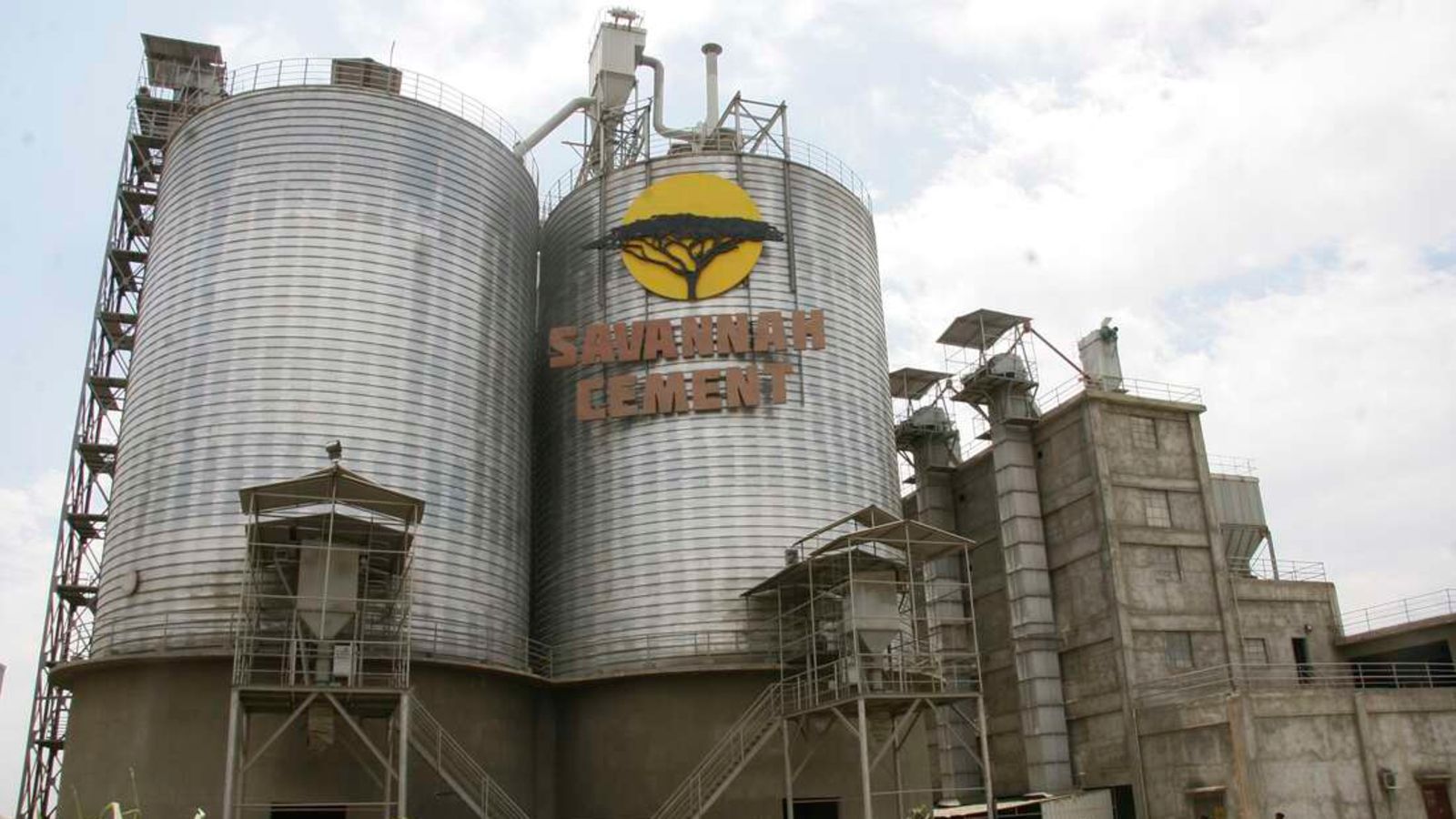
The appeal keeps alive a dispute that began inside Savannah Cement, once a key player in the construction industry before it was placed under administration in November 2022 with debts exceeding Sh14 billion.
Mr Ndeta was charged alongside Mr Charles Hill Jr over allegations that they used forged corporate documents, guarantees and board resolutions to obtain a $35 million (Sh4.5 billion) facility from Absa Bank Kenya in 2017 and 2018.
Prosecutors alleged that the two presented themselves as authorised representatives of Savannah Cement when securing the financing.
Mr Ndeta denied the allegations and challenged the prosecution, arguing that the criminal case was being used to settle a shareholder and corporate control dispute. He maintained that the validity of the borrowing arrangements had already been addressed in related civil proceedings.
The judge found that an earlier commercial court decision had upheld the resolutions authorising the Absa borrowing. The court held that allowing the criminal case to proceed would require the trial court to revisit issues that the High Court had already determined.
The court also faulted the Director of Public Prosecutions for failing to consider material that could have supported Ndeta’s defence, including Absa’s confirmation that the loan had been legally offered and accepted.
“If the borrowing resolutions were valid, it is difficult to see how the Petitioner can be criminally liable for obtaining credit by false pretence or for forging minutes that were, according to a competent court of concurrent jurisdiction, valid,” the court said.
But Savannah Heights and Kaiganaine dispute that reasoning. They argue the commercial case concerned corporate resolutions, not criminal offences.
They say a valid borrowing resolution does not automatically rule out the possibility that unauthorised documents were later used or false representations made during the loan process. They maintained that the bank’s confirmation of the loan did not conclusively negate internal fraud or forgery.
They also argued that the Constitutional Court should not assess evidence belonging before the criminal trial court. They maintained that the DPP enjoys constitutional independence and that prosecution should only be stopped where clear illegality, abuse of process or rights violations are demonstrated.
Another argument is that some findings relied upon by the court concerned attendance at a meeting linked to a Kenya Commercial Bank loan facility, rather than the Absa transaction forming the basis of the criminal charges.
The dispute also involves another partner, Mr Mwaura, who alleges that Mr Hill lacked authority to act for Savannah Heights after a contested share purchase arrangement collapsed.
Mr Mwaura says the disputed documents exposed the company and its directors to liability for the loan.
Savannah Cement was acquired in August 2025 by Mombasa Maize Millers, Kitui Flour Mills and Eldoret Grains Limited. The investors renamed the business Savannah Cement 2025 Limited. The cement manufacturer is based in Athi River.
Savannah Heights Limited was one of Savannah Cement’s shareholders. It nominated three directors to Savannah Cement’s board, including Mr Kaiganaine, Mr Mwaura and Mr Ndeta.
The Court of Appeal is expected to determine whether the High Court correctly stopped the prosecution or improperly prevented criminal allegations from being tested at trial.