More than 2,000 Jewish teen athletes from around the world will travel to Toronto this summer as the city hosts the 2026 JCC Maccabi Games, bringing together competition, culture and community during a time many organizers say makes the event especially meaningful.
Taking place Aug. 2–7, the Olympic-style Games will feature athletes ages 13 to 17 competing in sports including basketball, soccer, volleyball, baseball, swimming and golf. Hosted by the Schwartz/Reisman Centre and Prosserman JCC, the event is expected to welcome more than 20,000 athletes, coaches, volunteers, families and spectators from North America, South America, Europe and Israel.
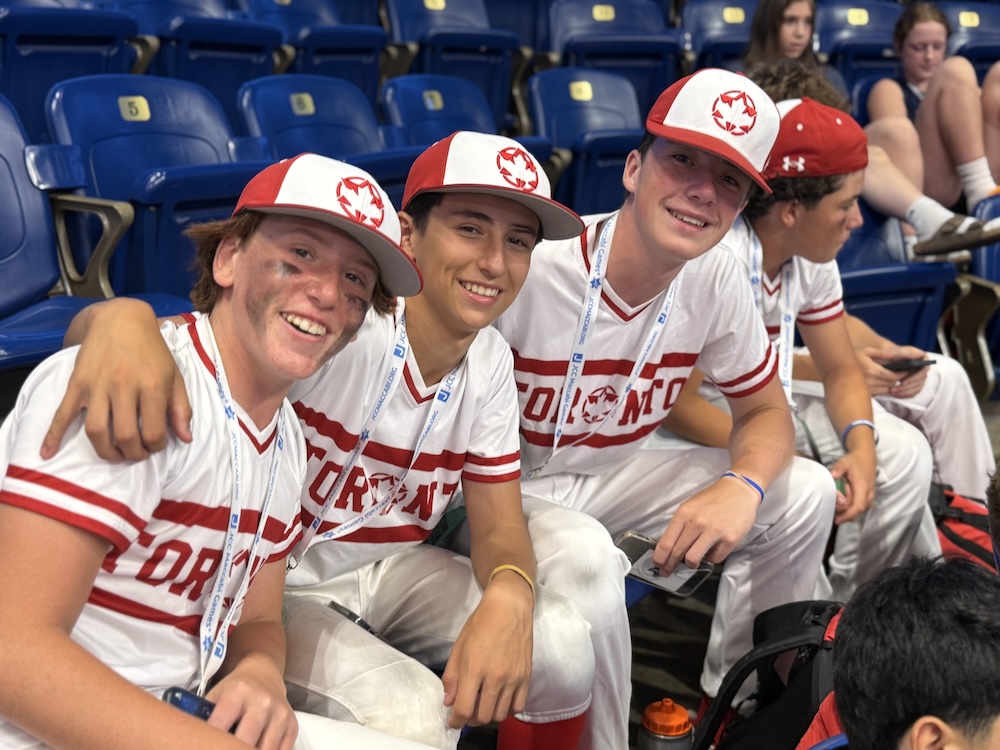
Organizers say this year’s Games carry added significance as Jewish communities continue to face rising antisemitism in Canada and abroad. Beyond athletic competition, they hope the event will provide young people with an opportunity to celebrate their identity while building lasting friendships.
“The JCC Maccabi Games represent so much more than an opportunity to bring Jewish youth together for a sporting event or competition,” said Andrew Levy, CEO of the Schwartz/Reisman Centre and Prosserman JCC. “They are a celebration of Jewish pride and global connection, offering inspiration and collective strength at a difficult time.”
More than 400 Toronto athletes have already registered, with organizers aiming to reach 500 local competitors before the Games begin.
Among them is Toronto volleyball player Jada T., who says competing in her hometown makes the experience especially meaningful.
“Competing at the Games in Toronto means a lot to me because Toronto is my home and it’s where I’ve grown up surrounded by a strong Jewish community,” she said. “Being able to represent my city while participating in an event that celebrates Jewish pride, culture, and connection is something I’m really grateful for.”
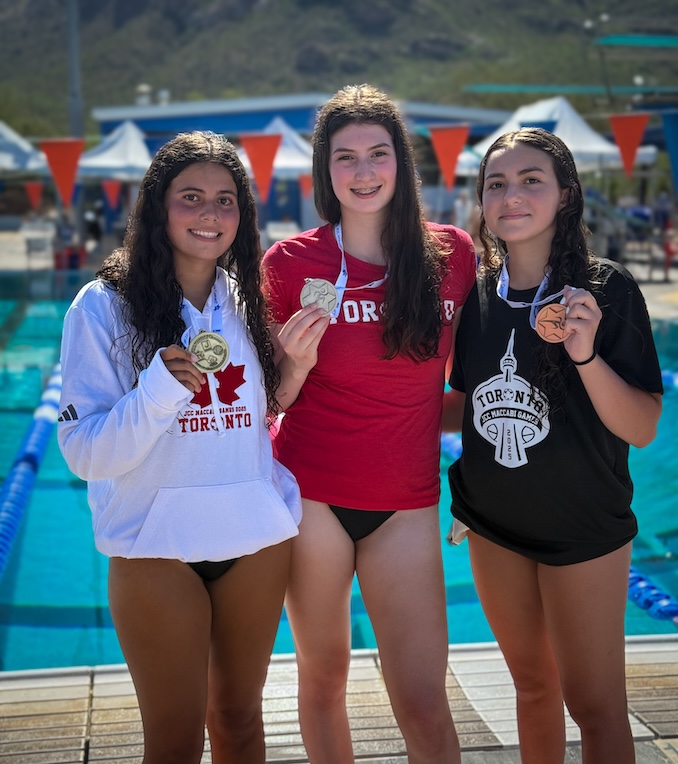
Jada, who began playing volleyball in 2024 as part of Toronto’s first girls volleyball team, says she’s looking forward to meeting athletes from around the world as much as the competition itself.
“I think it’s amazing that even though we all come from different places, we can connect through both our love of sports and our shared Jewish identity,” she said. “I’m excited to make new friendships and create memories that will last long after the Games are over.”
Returning golfer Meekie S. will compete in his second consecutive Maccabi Games after first becoming involved through Toronto Maccabi, following in the footsteps of his older brother.
“For me, I take great pride in representing my home city and my Judaism,” he said. “To do it both here, it is the greatest accomplishment in my sports career.”
While medals are certainly part of the experience, Meekie believes the Games stand apart because of the community they create.
“Probably the fact that this isn’t about sports,” he said when asked what makes the event unique. “It is about Judaism. It’s about learning about people and the fact that we are all here for the same reason, which is we are all Jewish people.”
The Games also include JCC Maccabi Access, an inclusive program designed for neurodivergent Jewish teens and young adults. The initiative provides tailored programming to ensure participants can fully experience both athletic competition and the broader community celebration.
Another hallmark of the Games is the home hospitality program, which pairs visiting athletes with local host families. While more than 1450 households have already signed up, organizers are working toward a goal of 1,500 families to accommodate participants arriving from around the world.
“It is imperative that we instill confidence and welcome all visitors with open arms, showing them the hospitality and resilience of our community,” said Games Director David Brinder. “At a moment when young people are seeing troubling headlines, these games send a powerful message: that sport and identity can bring people together.”
Now in its fourth decade, the JCC Maccabi Games have grown from approximately 300 participants in 1982 to become the world’s largest Jewish youth sporting event, combining high-level athletic competition with leadership development, cultural programming and community engagement.
With Toronto preparing to welcome thousands of visitors this August, organizers hope the week will leave participants with far more than medals—creating friendships and connections that extend well beyond the final whistle.