Audio By Vocalize
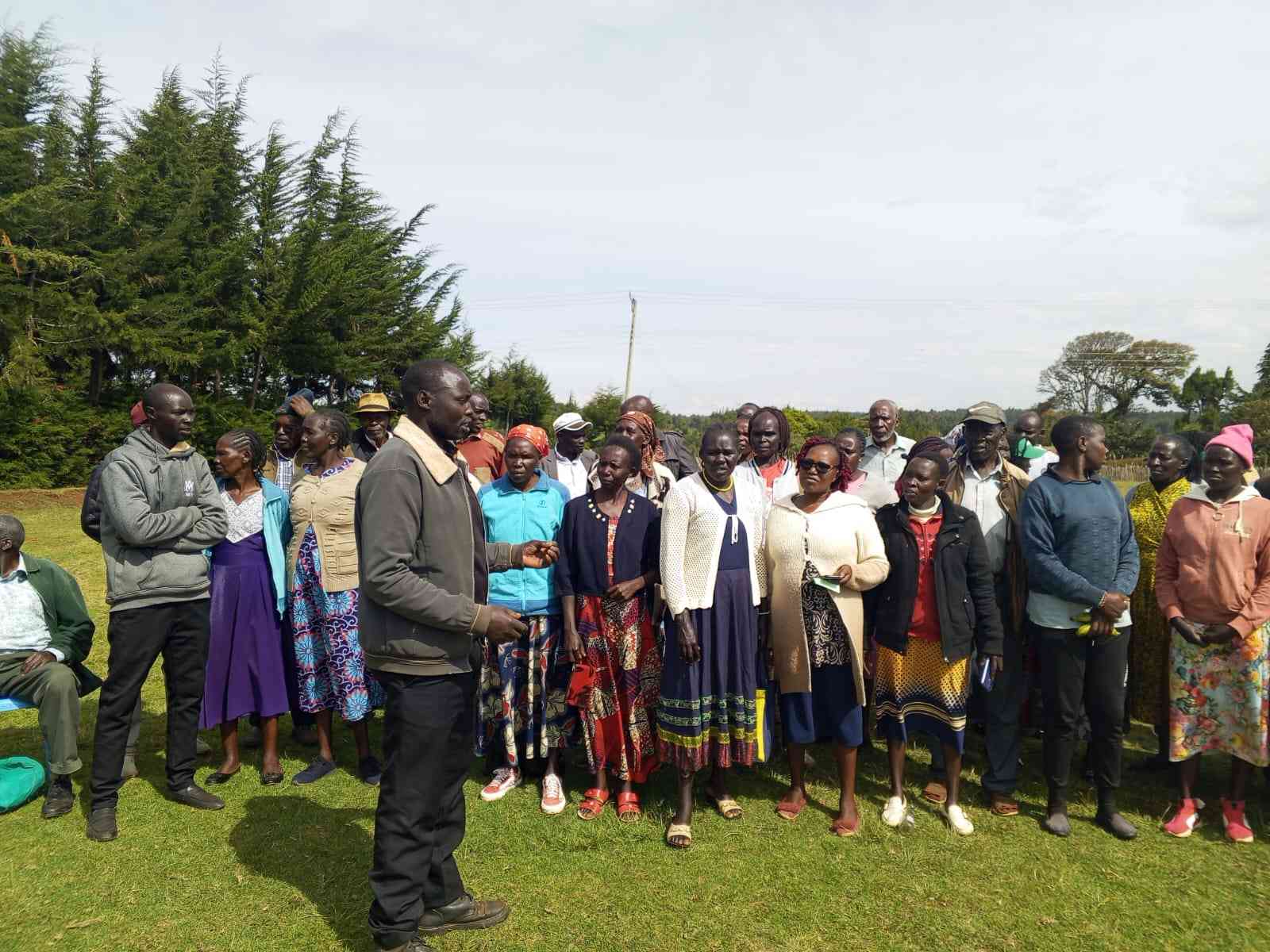
Residents living adjacent to Kaptagat Forest in Elgeyo Marakwet County have backed the ongoing fencing of the ecosystem, dismissing opposition to the exercise ahead of the launch of the second phase of a 10-year conservation programme.
The residents accused what they described as non-local forest users of opposing the electric fence, saying the move is necessary to curb forest degradation caused by illegal grazing and logging.
Fencing of the gazetted 20,000-hectare forest began more than a month ago amid opposition from a section of residents who argued that the water catchment has long supported the livelihoods of neighbouring communities, particularly livestock keepers who graze their animals inside the forest.
However, supporters of the project said many of the cattle grazing in the forest belong to people from outside the area, resulting in widespread destruction of vegetation and undergrowth.
Hosea Rotich, a livestock farmer in Mokwo within the Benon block of Kaptagat Forest, said local communities were adequately sensitised before the fencing exercise began in May.
Rotich, who is also a community elder, described grazing livestock inside the forest as an outdated practice that threatens the ecosystem.
“We welcome the move to fence Kaptagat Forest because it was on the verge of being wiped out by overgrazing and unlawful logging. Locals have embraced dairy farming, which is more productive,” he said.
He added that residents had engaged the Kenya Forest Service (KFS) and reached an understanding on how communities living around the forest would continue benefiting from its resources.
“We are free to practise beekeeping inside the forest, and KFS has assured us that we will not be prevented from harvesting honey. Despite the fencing, we are still part of the Kaptagat Forest ecosystem,” said Rotich.
Brian Tuitoek said communities living around the forest retain 17 user rights that guarantee access to forest resources.
These include access to water, firewood collection, harvesting of traditional herbal medicine, beekeeping and controlled grazing.
“Fencing of the forest will not deny locals their user rights. We have been assured that the fencing will only regulate access to forest resources, not prevent communities from deriving their livelihoods,” said Tuitoek.
He said conservation efforts had also encouraged farmers to adopt improved dairy breeds, reducing the need to keep large herds that depend on forest grazing.
“Many of us were offered quality dairy breeds, and dairy farming has enabled households to install biogas systems. As a result, fewer people now go to the forest to collect firewood,” he added.
Another resident, Abigael Korir, said schools around the forest had also adopted biogas for cooking, helping reduce reliance on firewood and easing pressure on the ecosystem.
Stay informed. Subscribe to our newsletter
“Conserving Kaptagat Forest will benefit not only local communities but also people living downstream, including residents of Eldoret City and the Kerio Valley,” she said.
Even so, some residents called for increased government and partner support to help more households transition to cleaner energy sources such as LPG and biogas.
The Kaptagat Integrated Conservation Programme, which has spearheaded forest restoration efforts over the past decade, has supported the distribution of LPG cylinders to women and the installation of biogas systems in homes to reduce dependence on firewood.
President William Ruto is expected to launch the second phase of the 10-year Kaptagat Forest conservation programme on Saturday.