Audio By Vocalize

Wanjigi brands Finance Bill 2026 a debt trap, urges Kenyans to reject it. [Juliet Omelo, Standard]
Safina Party leader Jimi Wanjigi has called on Kenyans to reject the Finance Bill 2026, describing the government’s proposed budget as a ‘debt budget’ that prioritises repayment of questionable loans at the expense of public welfare.
Speaking during a press briefing in Nairobi on Monday, Wanjigi accused the Kenyan government of imposing excessive taxation while deepening the country’s debt burden through what he termed illegal borrowing.
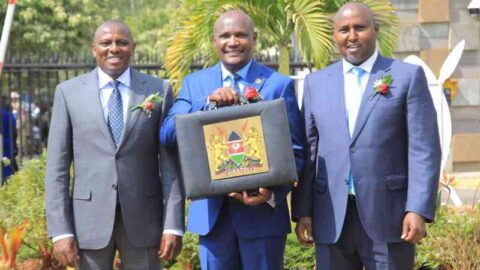
Wanjigi criticised the 2026/27 Budget Statement presented by Treasury Cabinet Secretary John Mbadi, arguing that the government had once again prioritised debt servicing over citizens’ welfare.
“This budget is not about development; it is about servicing debt and I call on Kenyans to reject it,” he said.
According to Wanjigi, the Finance Bill 2026 seeks to raise an additional Sh120 billion in taxes from Kenyans at a time when many households and businesses are already grappling with the high cost of living.
“The solution to Kenya’s economic challenges is not more taxes. Kenyans are already overtaxed. Every new tax measure further weakens businesses, destroys jobs, and reduces the purchasing power of wananchi,” he said.
Wanjigi renewed claims that Kenya has accumulated illegal and odious debt, questioning why the government continues to service obligations whose legitimacy has been challenged.
“We cannot continue borrowing to pay previous debts while citizens sink deeper into poverty. Kenyans deserve to know: where is the development that justifies the trillions borrowed?” he posed.
He also revisited allegations he made in April regarding the existence of a sovereign bonds account operating outside the constitutionally established Consolidated Fund, which he claimed had facilitated unlawful borrowing practices beyond the oversight of the Controller of Budget.
“Today, Kenya’s debt stands at Sh13 trillion, yet the country has little tangible infrastructural development to show for it. Every budget cycle is now designed around paying illegal creditors rather than improving the lives of wananchi,” said Wanjigi.
He expressed concern over the country’s growing domestic debt, warning that increasing reliance on Treasury Bills and Treasury Bonds could stifle private sector investment.
“The government’s dependence on Treasury Bills and Treasury Bonds is increasingly unsustainable and risks crowding out private sector investment,” he said.
Wanjigi further cautioned banks and investors against participating in what he termed illegal domestic borrowing.
Stay informed. Subscribe to our newsletter
“To be forewarned is to be forearmed. Buyer beware,” he said, warning that debt acquired outside constitutional and legal frameworks shall not be honoured by the Kenyan people.
Safina estimates that Kenya is projected to spend about Sh2.6 trillion annually on debt servicing, a figure the party argues competes with funding for healthcare, education, agriculture and infrastructure.
He also criticised the projected Sh1.1 trillion budget deficit, saying it would trigger further borrowing and worsen economic pressure.
“The Safina vision is simple: No Tax Burden. No Illegal Borrowing. No Debt Slavery. Kenya must build an economy that works for its people, not one that serves creditors and debt collectors,” he said.