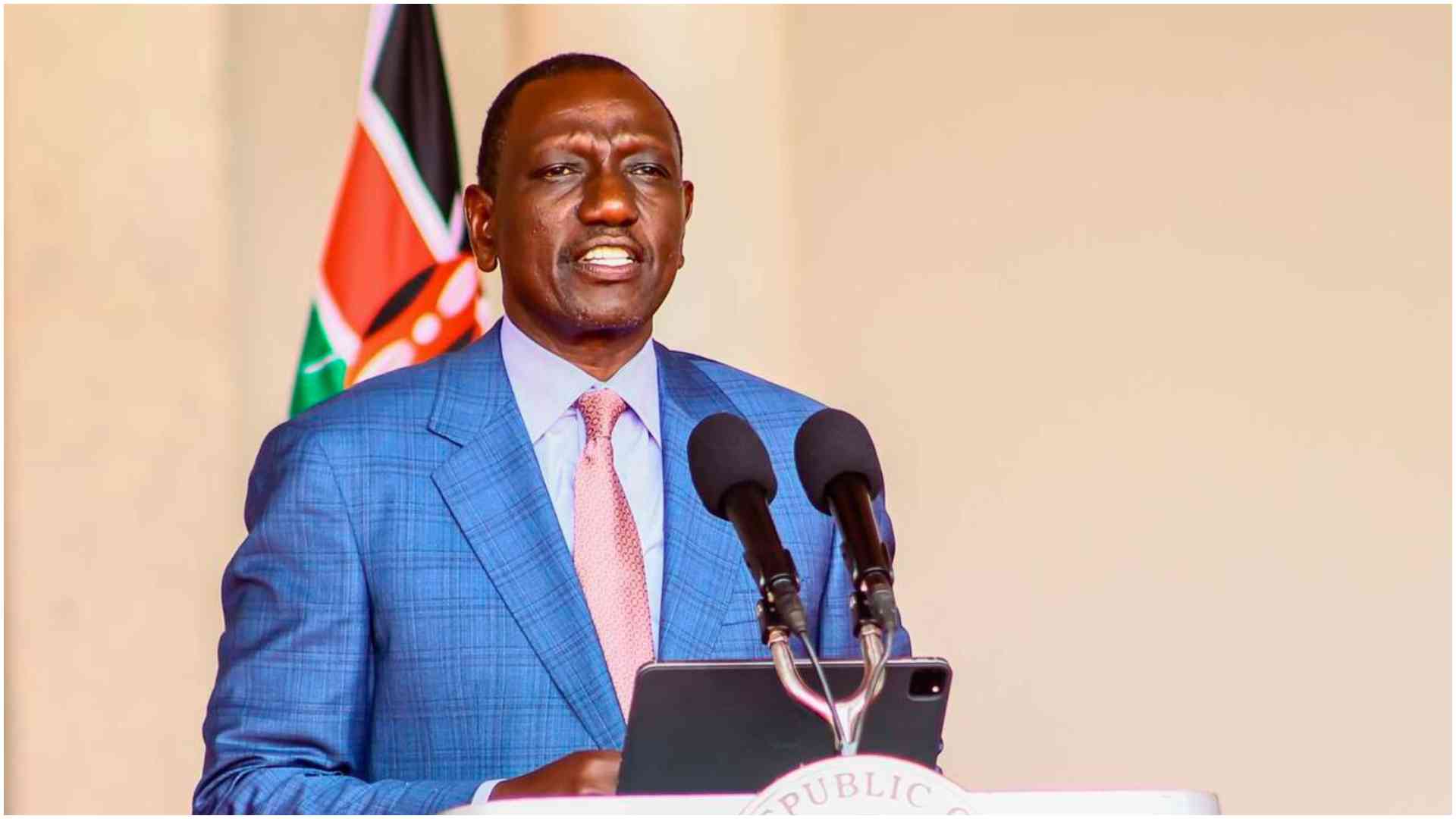
President William Ruto has directed the National Transport and Safety Authority (NTSA) to suspend its controversial crackdown on graffiti-covered Public Service Vehicles (PSVs).
The directive follows weeks of public debate after NTSA ordered all PSVs to immediately remove unauthorized graffiti, artistic enhancements and heavy window tints, arguing that the measures were necessary to improve visibility, aid law enforcement and create a safer, more uniform public transport system.
The move had sparked backlash from operators, youth groups and matatu enthusiasts who viewed the order as an attack on Kenya’s famous matatu culture, particularly in Nairobi where graffiti-covered buses have become moving pieces of art and symbols of youth expression.
Speaking while addressing fuel prices briefing, President Ruto intervened and instructed NTSA to halt the directive and instead work with operators to create an enabling environment where graffiti can continue to thrive responsibly and safely.
“Matatu culture is part of the creative economy and a source of livelihood for many young people,” Ruto reportedly said, emphasizing the need to balance road safety with artistic freedom and innovation.
NTSA had maintained that heavily tinted windows and excessive artistic modifications posed security risks and made it difficult for authorities to monitor passengers and identify vehicles during investigations.
Earlier, the High Court had upheld the ban on safety and security grounds, giving NTSA legal backing to enforce the directive.
However, matatu operators welcomed the President’s intervention, saying the graffiti industry supports hundreds of young artists, designers, DJs and content creators who rely on the PSV sector for income.
“This is not just paint on buses. It is talent, identity and business,” one operator said after the announcement.
The latest development now signals a possible shift toward regulation rather than outright restriction, preserving one of Kenya’s most recognizable urban cultures while addressing safety concerns.