Conditional: Iran has accepted the ceasefire but on certain terms.
A ceasefire between the US and Iran has been declared effective immediately,
marking the first formal pause in weeks of escalating conflict, as both sides prepare for high-stakes negotiations in Islamabad aimed at securing a broader political settlement.
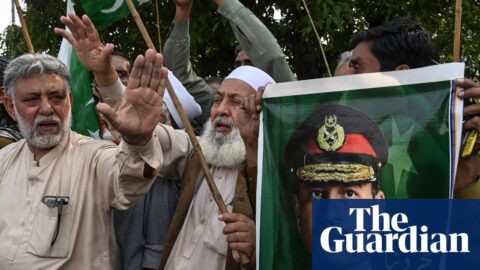
Pakistan’s Prime Minister Shehbaz Sharif announced that the ceasefire would apply “everywhere including Lebanon and elsewhere”, positioning Islamabad as the central diplomatic channel in a rapidly shifting conflict.
He confirmed that delegations from both sides have been invited to talks on 10 April, in what is being framed as a decisive moment to translate a fragile pause into a negotiated outcome.
Iran has accepted the ceasefire but on explicitly conditional terms. Foreign Minister Seyed Abbas Araghchi said Tehran would halt its defensive operations only if attacks against Iran stopped, making clear that the truce is contingent on reciprocal restraint.
He also confirmed that for two weeks, safe passage through the Strait of Hormuz would be facilitated in coordination with Iran’s armed forces, linking the ceasefire directly to control over one of the world’s most critical energy routes.
That linkage underscores what is at stake in the talks.
The negotiations are expected to be based on Iran’s 10-point plan, a framework that goes far beyond a cessation of hostilities and instead seeks to reshape the regional balance of power.
The proposal includes coordinated passage through the Strait of Hormuz under Iranian
oversight, an end to the war across all “axis of resistance” fronts, the withdrawal of US combat forces from the region and a formalised transit protocol that effectively recognises Iran’s control over the waterway.
It also calls for the full lifting of primary and secondary sanctions, the termination of relevant UN Security Council and International Atomic Energy Agency resolutions, the release of Iranian assets held abroad and full compensation for war-related damages.
Crucially, Tehran is seeking to have any agreement codified in a binding UN Security Council resolution, elevating the outcome from a bilateral deal to an enforceable international framework.
Tehran is framing the moment as a strategic breakthrough. Iranian officials have described the ceasefire as a “historic victory”, asserting that Washington has accepted the core of its demands in principle ahead of negotiations. The claim, repeated across official statements and diplomatic channels, positions the talks not as a concession but as the consolidation of gains made on the battlefield and through sustained regional pressure.
Washington is telling a different story. US President Donald Trump has described Iran’s proposal as a “workable” basis for negotiations, presenting the ceasefire as a tactical pause that creates space to finalise a longer-term agreement.
His framing emphasises leverage and de-escalation, rather than acceptance of Iran’s terms and stops short of confirming the broader concessions Tehran claims have been secured.
Between those competing narratives lies a far more unstable reality.
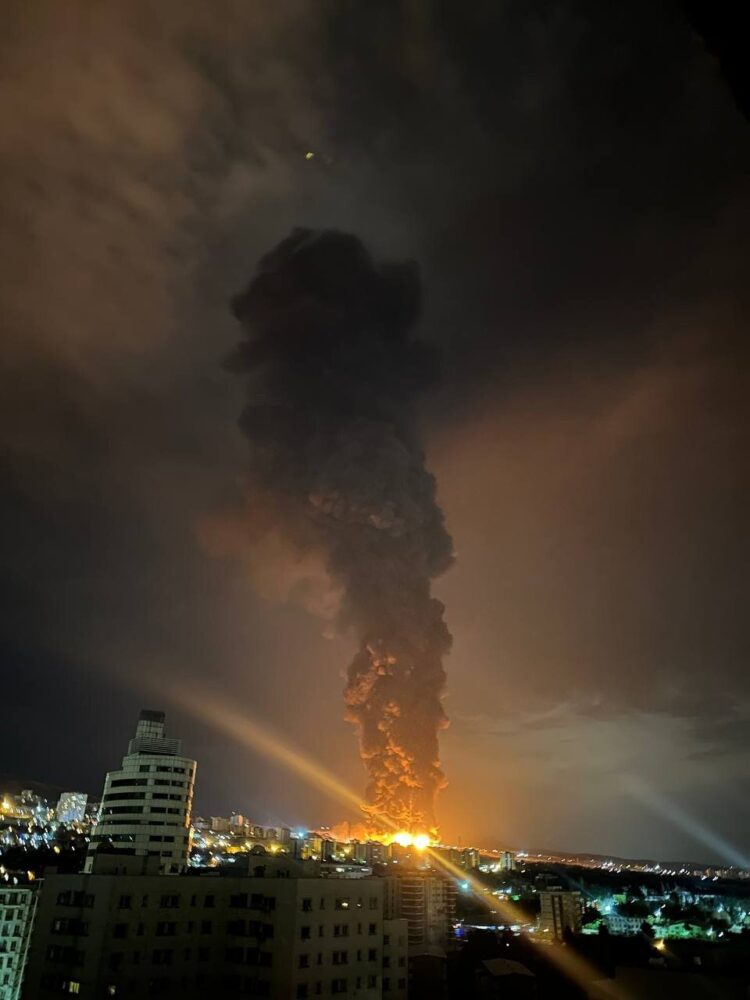
Despite the declaration of an immediate ceasefire, military activity has not fully subsided. Israel has signalled that the agreement does not extend to Lebanon, with Prime Minister Benjamin Netanyahu’s office making clear that operations there would continue.
The position contradicts Pakistan’s assertion that the ceasefire applies across all fronts and exposes early fractures in how the agreement is being interpreted.
The result is a ceasefire that exists simultaneously as a diplomatic announcement and a
contested reality on the ground. Iran has made clear that the war has not ended. The US has framed the pause as temporary. Israel has carved out exceptions.
And the terms under negotiation reach far beyond a simple halt in fighting, extending into sanctions architecture, military deployments, maritime control and the future geopolitical order of the region.
The talks in Islamabad will determine whether the ceasefire holds and whether it becomes the foundation of a settlement or simply a brief interruption in a conflict that is being reshaped on multiple fronts.