Strikes by both sides on so-called upstream gas production facilities in recent days are a significant escalation in the war in the Middle East, with potentially long-term consequences.
The strikes were the first time facilities associated with the production of fossil fuel energy had been hit in the conflict, rather than sites associated more generally with the oil and gas industry.
What has been targeted in recent days?
On Tuesday a successful Iranian drone attack resulted in operations at the Shah gasfield in Abu Dhabi being suspended. The site can produce 1.28bn standard cubic feet of gas a day, and supplies about 20% of the UAE’s gas supply and 5% of the world’s granulated sulphur used in phosphate fertilisers.
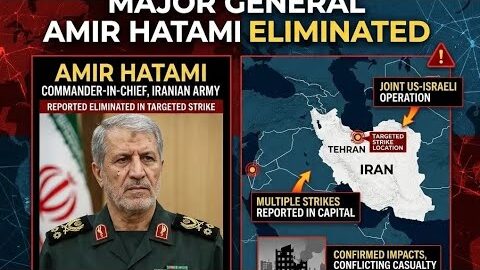
On Wednesday an Iranian production facility for the South Pars gasfield, which it shares with Qatar across the Gulf, was struck. The field is the largest in the world and is the biggest source of domestic energy in Iran, which sometimes struggles to produce enough electricity.
The strike, which prompted a threat from Tehran of further retaliation against energy infrastructure, was widely reported in Israeli media to have been carried out by Israel with US consent, though neither country immediately confirmed responsibility.
The US and Israel had previously held back from targeting Iran’s energy production facilities in the Gulf in an attempt to avoid Iranian retaliation against the oil and gas industries of its neighbours.
Why are the strikes significant?
The strikes are significant because they signal a potential deepening of the war, with longer-term consequences for the global economy. While a cessation of hostilities could result in suspended gas and oil shipments returning within months, experts assess that any significant damage to production itself could have a years-long impact.
Warning of the impact of possible further escalations, Saul Kavonic, an analyst at MST Financial, told the Financial Times: “Something that takes out a few million barrels of production would have a bigger impact because it means there is no way to refill stocks even after the war ends.” Hitting a liquid natural gas facility “would be the worst”, he added, because it could take several years to repair.
Oil prices shot up after the South Pars attack on the back of fears that disruption to global energy supplies would worsen. The disruption raises the political stakes for Donald Trump in the run-up to the US midterm elections. Diesel prices in the US have already risen above $5 a gallon for the first time since the 2022 inflation surge that eroded support for his predecessor Joe Biden.
How have countries in the region reacted?
After the South Pars attack, Iran listed an array of prominent regional oil and gas sites belonging to Saudi Arabia, the UAE and Qatar, which it said were now “direct and legitimate targets” and should be evacuated at once. Loud explosions were heard in Riyadh a few hours later.
Qatar, a close US ally which hosts the largest American airbase in the region, blamed the attack on Israel without mentioning any US role. The Qatari foreign ministry spokesperson called it a “dangerous and irresponsible” escalation that put global energy security at risk.
The UAE said the South Pars attack posed a threat to global energy and to the security and stability of the region.
Can’t this stuff just be repaired?
One lesson from the aftermath of the 2003 invasion of Iraq was that it took much longer than expected to repair damaged energy production infrastructure. The Bush administration had promised that reconstruction would be funded by oil revenues, but even though contractors were able to access Iraqi plants and $2bn was spent on oil projects, production took more than two years to return to prewar levels.
Attempts to repair Ukrainian power infrastructure hit by Russia has highlighted issues around equipment logjams.
What role does energy production play in the Gulf beyond income?
Energy production in the Gulf has long had a social, political and diplomatic importance far beyond the economic top line. Social settlements with citizens living under often repressive monarchies are based on the sharing of energy wealth, and it is key to living standards and the ability of states to attract foreign workers.
Energy is also integral to the way countries in the region interact with each other.
The brief detente between Iran and Saudi Arabia, which just survived Israel’s attacks on Iran’s nuclear facilities last year, was a priority for Saudi Arabia’s de facto ruler, Crown Prince Mohammed bin Salman, as part of his moves to diversify the Saudi economy. He assessed that tensions with Iran were a drain on resources. On the Iranian side the detente was driven by an economy slowly imploding under US-led sanctions.
Historically closer to Iran because of a shared interest in the South Pars field, Qatar’s anxiety over the attack has been palpable. The field has at times acted as a diplomatic bridge not just between Doha and Tehran but more widely.