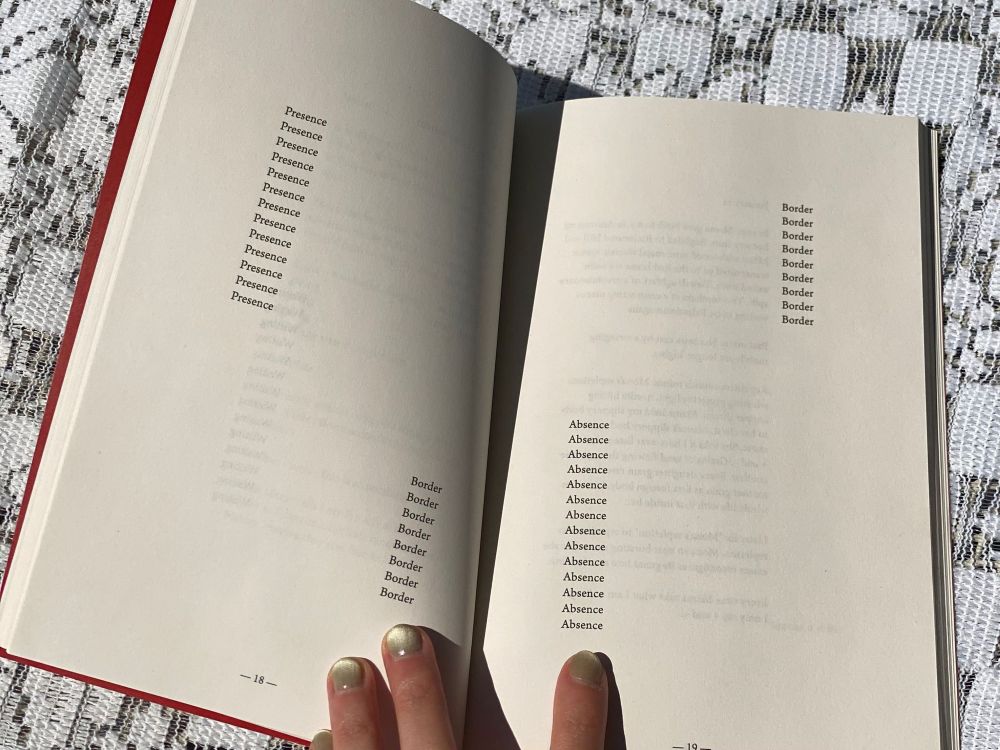
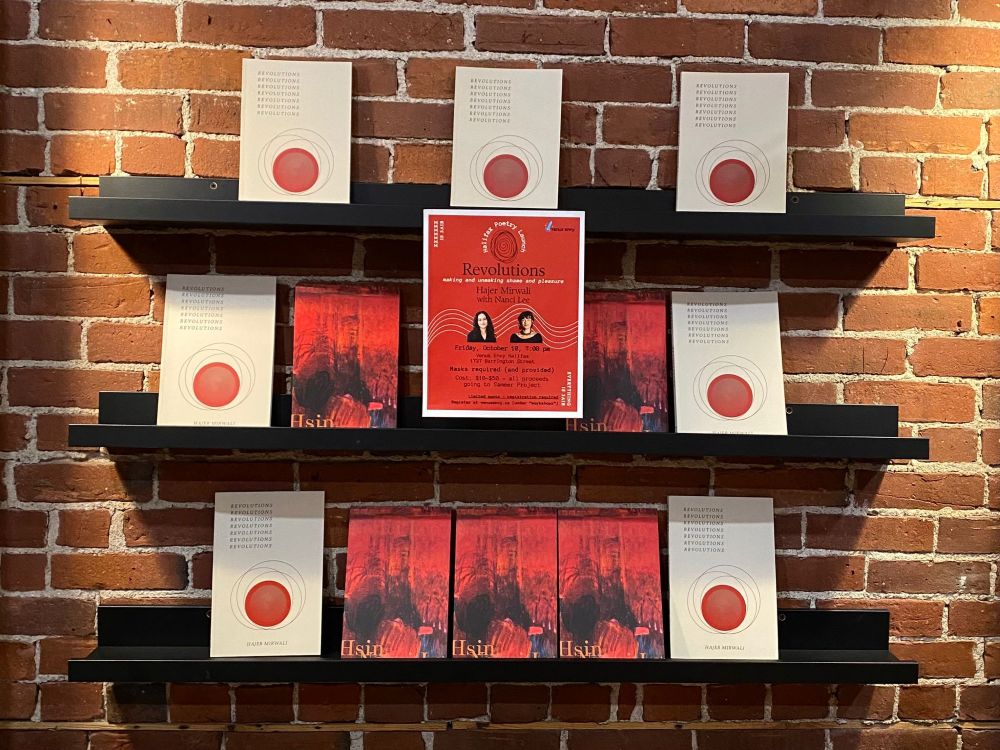
Palestinian-Iraqi poet and writer Hajer Mirwali brings a striking blend of vulnerability and power to her work, exploring themes of identity, gender, and surveillance through a distinctly Arab and feminist lens. Based in Toronto, Mirwali’s debut poetry collection, Revolutions (Spring 2025), examines how language and selfhood evolve under systems of watchfulness and control. A lifelong poet with a passion for visual art, she continues to expand her creative practice across mediums — from live performance and visual collaboration to essays and fiction. Off the page, Mirwali finds grounding in nature, spirituality, and the everyday rituals that shape her artistry.
***
Which ‘hood are you in?
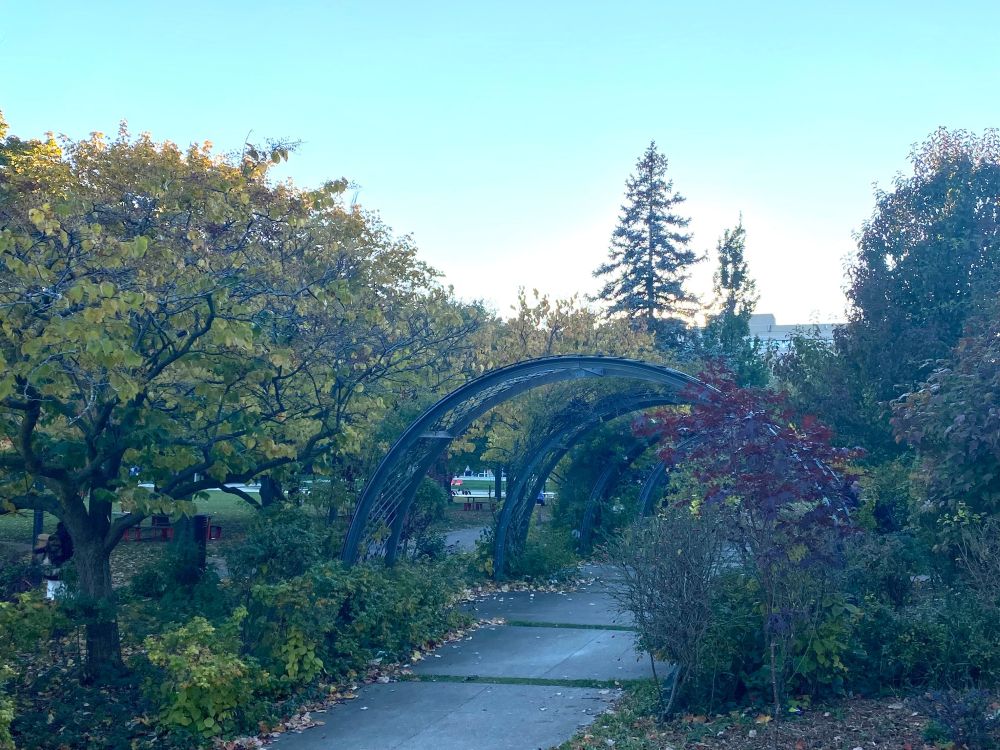
I lived in North York for the past five years and very recently moved downtown to West Queen West. I’m so excited for a fresh start, and I think this new environment will help nurture my creativity.
What do you do?
I write poetry, and sometimes fiction and essays. My day job, which unfortunately takes up most of my time and energy, is as a Research Manager at York University. In my current writing life, I’m interested in exploring shame, trauma, and repressed memories. I’m going to manifest it here and say my dream is to write a television screenplay about the sex lives and relationships of young Arab women.
What are you currently working on?
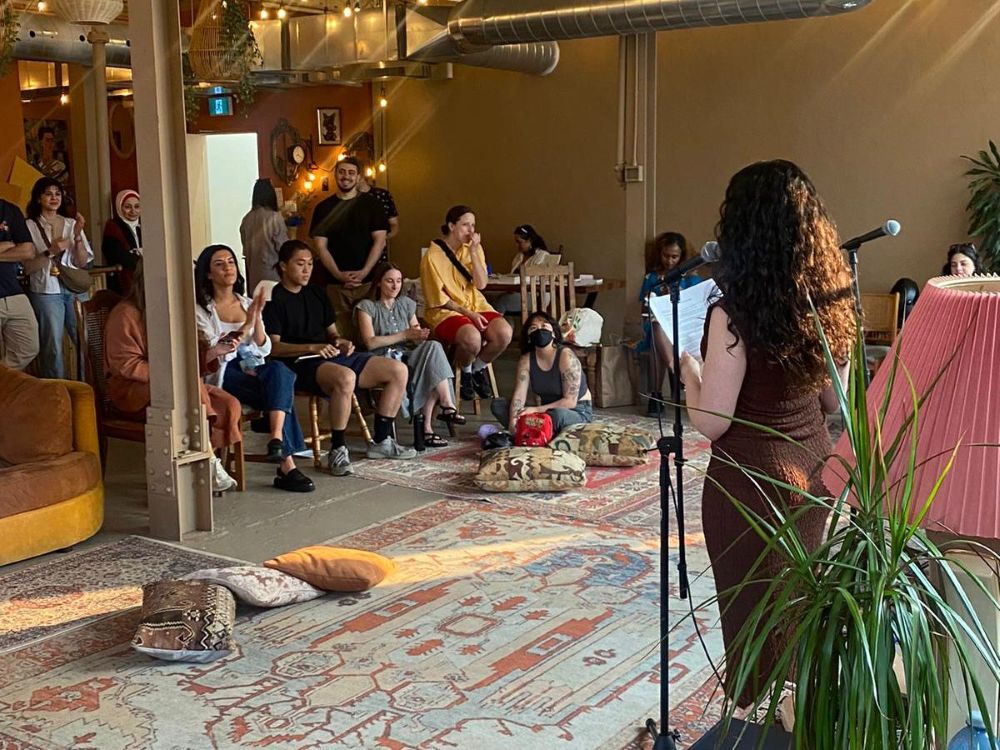
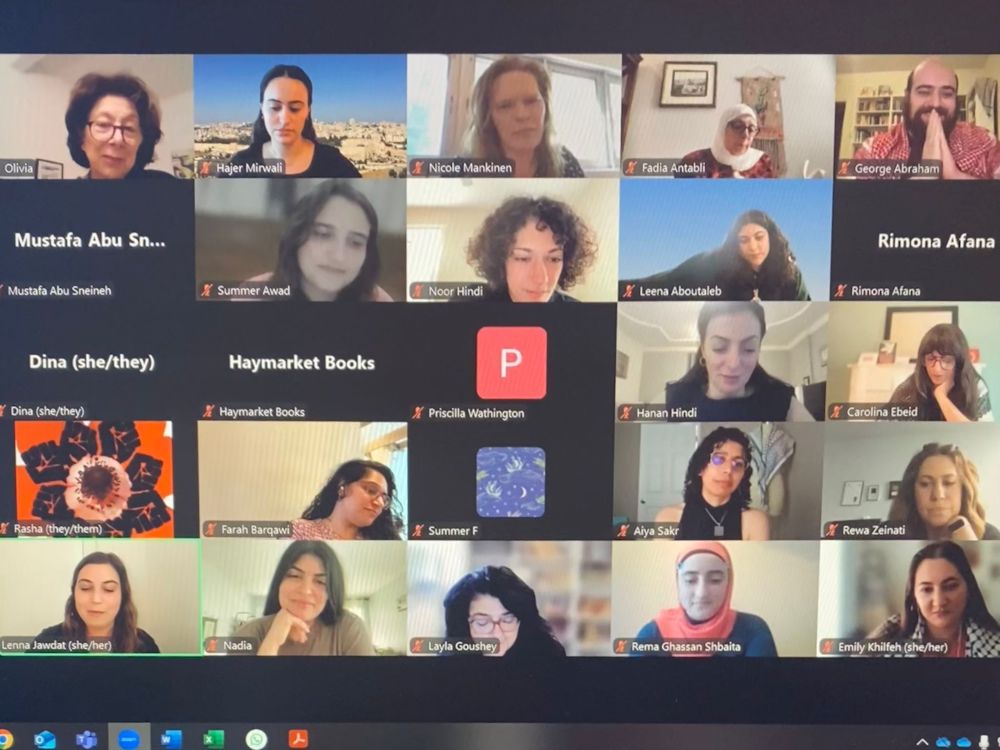
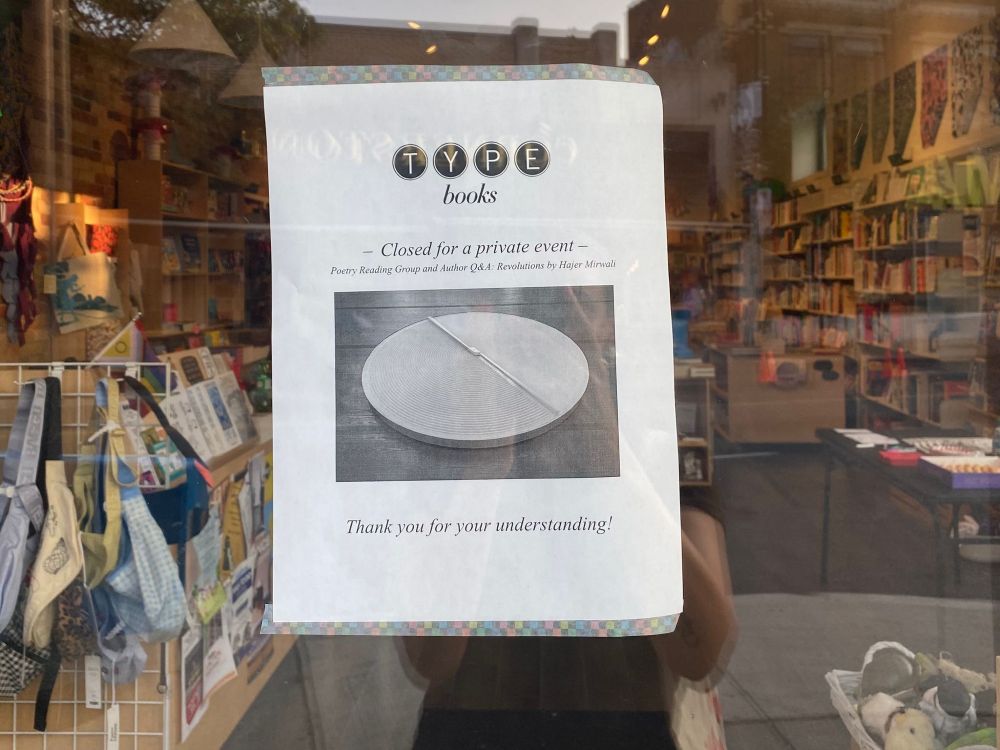
I’ve been touring my book, Revolutions, for the past few months and had a reading with fellow Talonbooks authors, Ryan Fitzpatrick and A Jamali Rad, at Flying Books on College St.
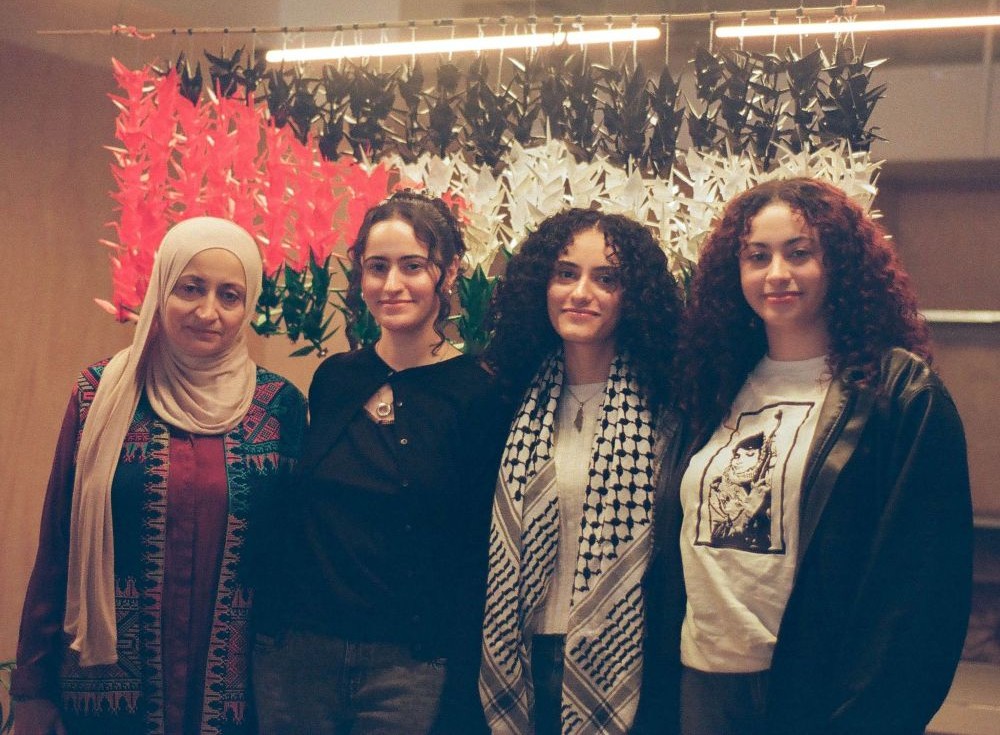
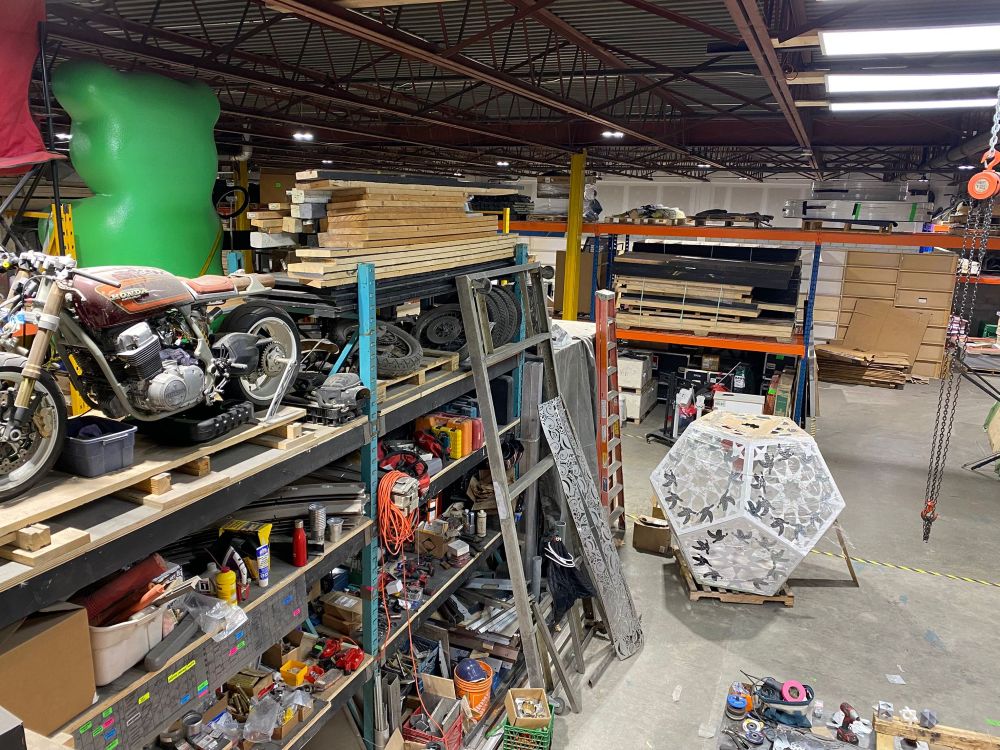
I’ve also been working on a very exciting project with the artist Javid Jah for Falasteen360, an immersive exhibition on Palestinian narratives. Javid is reworking one of his existing sculptures, and it will include remixed poems from my book — the art is made and unmade!
I feel really lucky to be able to revisit my work with this new framework. It’s especially meaningful because Revolutions is a response to a sculpture called + and – by Mona Hatoum, and now the poems are in conversation with another sculpture. I love being able to work at the intersection of different art forms.
Recently, I contributed a poem to my good friend and novelist Sheung King’s project, Displaced Nostalgia: Itch, a performance piece in collaboration with the artist JeeMin Kim. They performed at InterAccess as part of the exhibition Edging the Unscratchable Digital Itch.
Where can we find your work?
You can buy Revolutions wherever books are sold — but preferably from my publisher, Talonbooks, or a local bookstore. I post about my upcoming events and projects on Instagram.