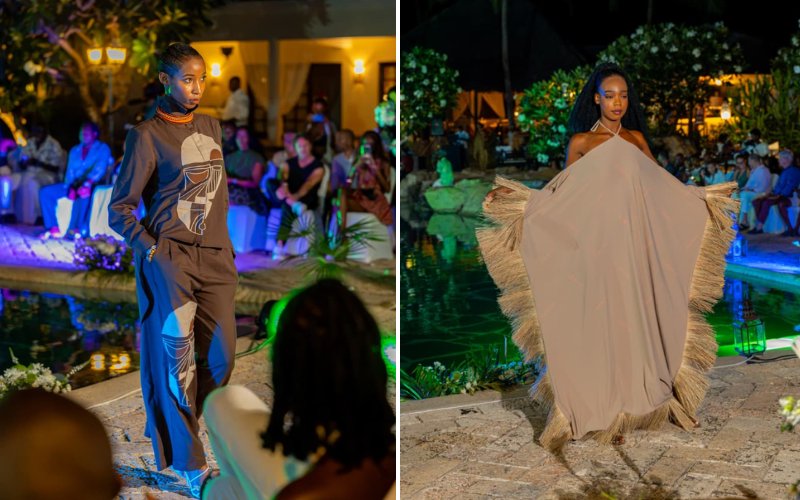
A stunning outfit does not always need new fabric, a designer label or a shopping trip. Sometimes, all it takes is an old pair of jeans, a forgotten dress and a creative eye.
That is the message behind Eco Fashion Week Africa (EFWA), an initiative challenging the culture of constant consumption by championing rewearing, restyling and reinventing clothes people already own.
For co-founders Belinda Atieno and her sister Ruth Anyango, fashion’s future lies not only in what designers create but also in what they can rescue from being discarded.
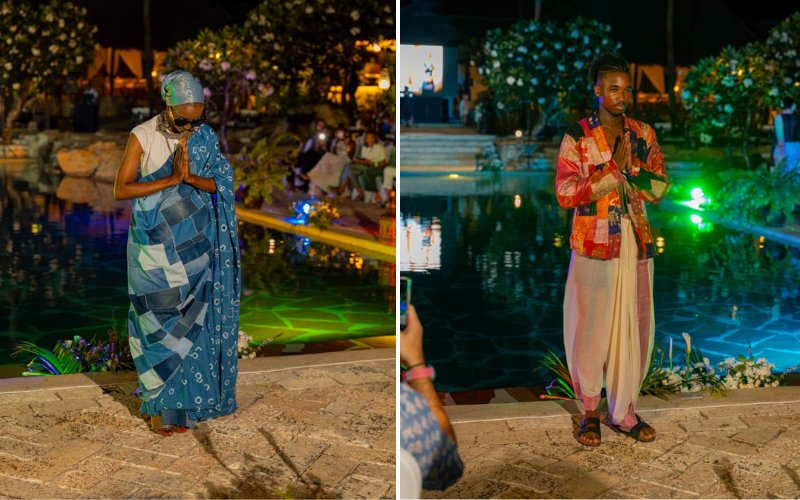
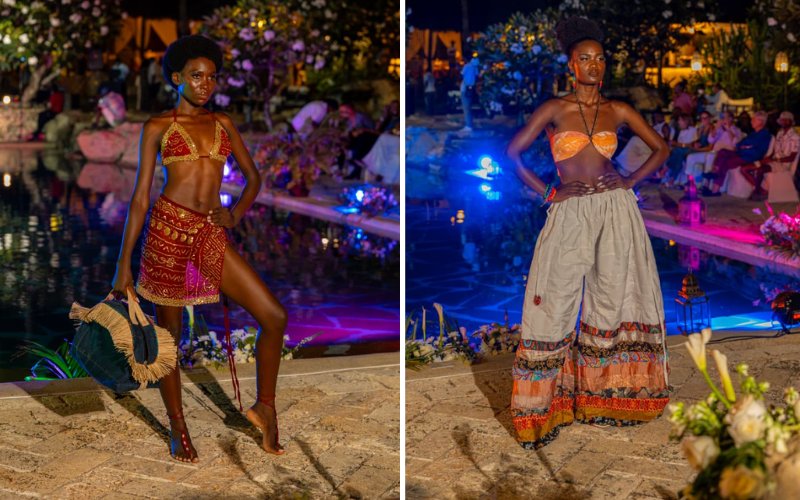
Their recent showcase at Lion in the Sun resort in Malindi brought the idea to the runway through the No New Clothes Runway. Designers transformed existing garments into new creations, while guests were encouraged to rewear their most striking outfits.
Atieno says the idea began with a simple question: “Why do we feel we need to buy something new every time we want to look our best?”
“We already knew the creativity it takes to alter a piece, wear it differently or turn it into something else. We wanted to give that work the attention and excitement of a fashion show. That’s where the idea for the No New Clothes Runway came from. And we wanted the audience to be part of it, so we gave them a dress code that made the idea real: rewear your most showstopping outfit,” she says.
More than 150 guests attended the Malindi finale, taking up the challenge and demonstrating that an outfit does not lose its fashion value simply because it has been worn before.
For designers working with discarded garments, the creative process differs from conventional fashion production. Rather than choosing fabric to match a sketch, they allow the available material to shape the final design.
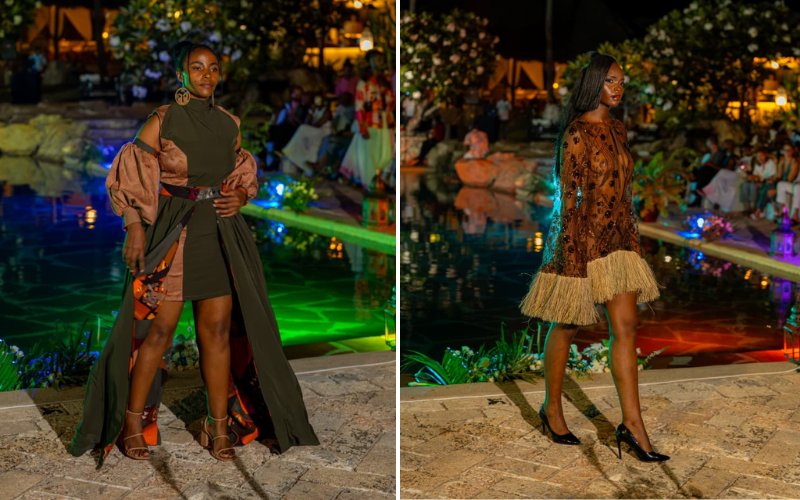
“Sometimes there isn’t enough fabric to make the sleeve I first imagined, so I have to rethink the whole piece. That’s often where the most interesting decision happens,” IVY’S Studio tells Sunday Magazine.
The process demands imagination, technical skill and flexibility. A worn-out garment may be dismantled, its usable sections combined with other fabrics, and its original shape transformed into something entirely different.
But making recycled fashion look good is only part of the challenge. Designers must also create contemporary, versatile pieces that appeal to shoppers beyond the novelty of sustainable fashion.
Designer Zawadi focuses on making outfits that customers can easily style with clothes they already own.
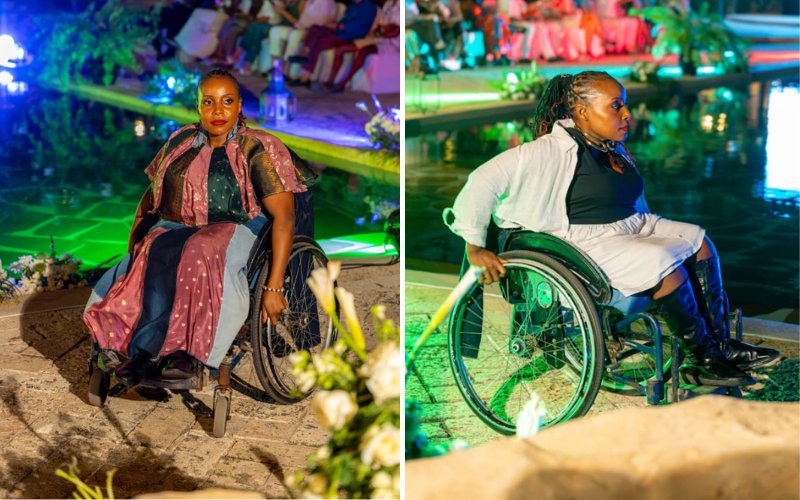
“Can someone wear it with pieces they already own? Would they reach for it again next month?” she asks. “For me, that’s a better test of the design than whether it gets attention for one evening.”
Kav Design similarly emphasises fit and transparent pricing, while Jahenda says customers must understand the labour that goes into every finished piece.
“Then you have to price it so the customer understands the value and the business can keep going,” Jahenda says. “That’s where access to the right buyers makes a difference.”
Behind the runway glamour, however, is a demanding business. Sorting, cleaning, dismantling and reconstructing discarded garments takes time, making profitability a major hurdle for designers.
Sourcing materials is another challenge. One designer says fabric scraps from local tailoring shops are often collected and burned before independent designers can reclaim them.
“If a proper channel for people like me to collect was open, the burning would stop,” the designer says.
EFWA is trying to address some of these challenges through free training, including a recent workshop with QKompany at Delight Fashion School, and by connecting designers with potential buyers. At its latest showcase, Kisero Nairobi made sales directly from the runway.
For Atieno, however, changing an industry built around constant consumption remains a difficult task.
“We’re asking an industry that often depends on selling more to get excited about rewearing and producing less,” she explains.
Photos: Courtesy