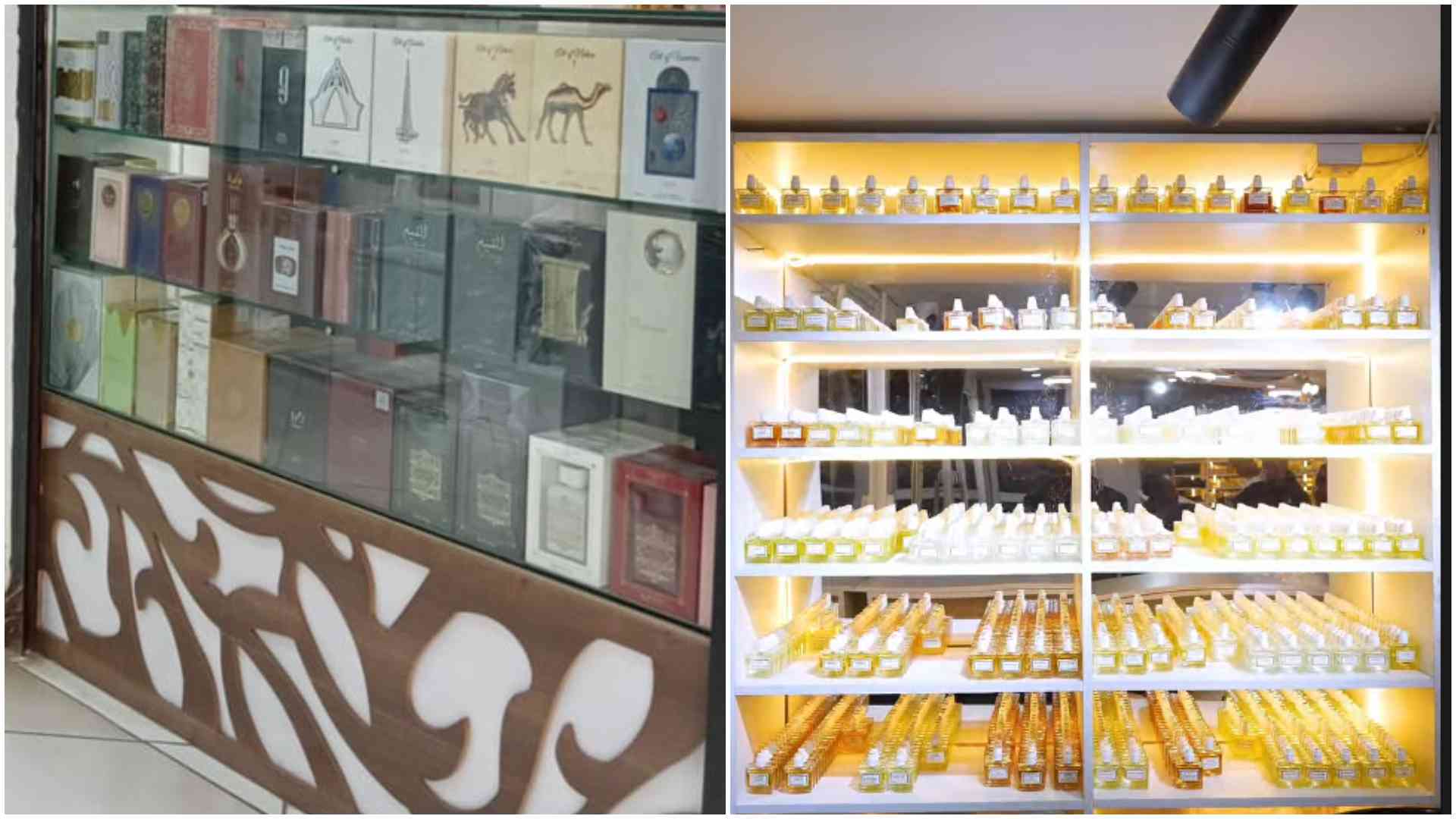
Smelling good is no longer reserved for the sophisticated few who can afford designer fragrances. In Kenya, the fragrance game is changing, with affordable perfume clones, concentrated perfume oils and an increasingly scent-conscious generation making personal fragrance an all-day, all-weather affair.
From the office to the club, the matatu to the boardroom, smelling fresh has become part of the lifestyle package. Even Nairobi’s unpredictable weather is no excuse to leave the house smelling like yesterday’s plans.
At the centre of this shift is the growing popularity of fragrance alternatives inspired by expensive designer scents. Yassin Yusuf, owner of Yasin Perfumes, says brands such as Lattafa, Rasasi, Armaf and Afnan have found a market by offering fragrances that evoke popular luxury perfumes at considerably lower prices.
“Trending perfumes are clones of expensive perfumes,” he says.
The term clone is commonly used in the fragrance business to describe a separately branded scent designed to resemble the character of a popular fragrance. Unlike counterfeits, legitimate alternatives are sold under their own names and branding.
They are not necessarily chemically identical to the originals, but can offer a similar olfactory experience at a friendlier price.
Yusuf points to Rasasi Hawas Ice, Lattafa’s Khamrah range, Armaf Club de Nuit Intense Man and Afnan’s Supremacy collection as examples attracting fragrance enthusiasts. These brands have helped make the pursuit of a luxurious-smelling scent less dependent on the price tag.
“When someone is wearing their favorite clone, people actually think they are wearing the designer brand. You can hardly tell the difference but the result remains the same,” he says.
The appeal is straightforward: consumers can experiment with different fragrance profiles without committing to the cost of some designer bottles. For younger buyers, it also means building a fragrance wardrobe for different occasions rather than relying on one bottle for everything.
Then there are perfume oils.
Unlike conventional alcohol-based sprays, oil-based fragrances use an oil carrier to deliver aromatic compounds. Depending on their formulation and concentration, they can sit closer to the skin, feel richer and leave a lasting scent without the sharp alcohol opening associated with some sprays.
Longevity, however, varies by formula, skin and application; oil-based does not automatically mean stronger or longer-lasting.
Luxury Perfume Oils CEO Jane Gathoni Orumoi says growing demand has prompted the business to expand its reach, including opening a new outlet in Nakuru town.
“We have had to expand our branches. Our customers are spread all around, and we had to find a way of taking our brands to where they are,” she says.
The company has also restocked fragrances for men and women, with Orumoi insisting there is something for everyone.
The cultural shift is bigger than business expansion. Fragrance is increasingly treated as everyday grooming rather than an accessory reserved for weddings, dates or special occasions. Consumers want scents for work, travel, social outings and late-night entertainment.
The trick, experts advise, is choosing a fragrance that suits the occasion and applying it in moderation. A scent should announce your arrival, not remain in the room long after you have left.
With affordable clones and perfume oils widening the choices, smelling good has become more accessible. In today’s fragrance culture, luxury is increasingly about finding a scent you love without necessarily paying a luxury price.