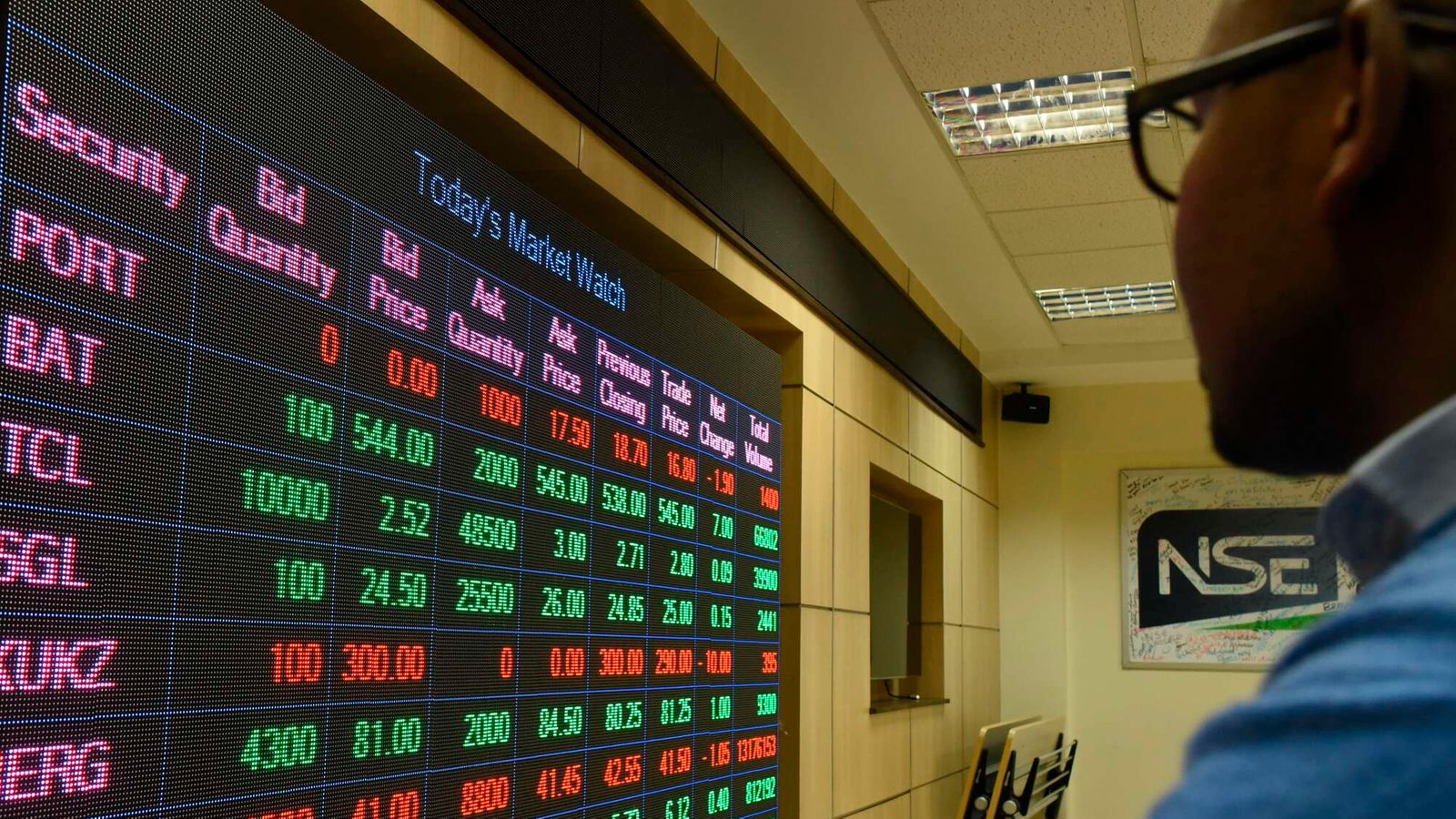
Stockbrokers have pocketed up to Sh14 billion in commissions from the sale and purchase of shares in the wake of a boom at the Nairobi Securities Exchange (NSE).
Data from the Capital Markets Authority (CMA) placed the value of shares traded at the Nairobi bourse in nine months to September 2026 at Sh395 billion, more than doubling last year’s entire year turnover of Sh145 billion.
Equity turnover is expected to reach a historic record this year after more than 11.4 billion shares traded in the nine months on back of increased activity and listing of new counters like Kenya Pipeline Company and Family Bank.
The NSE earns a commission of 0.12 percent on the value of all share trades and brokers collect commissions of up to 1.78 percent of deal values.
This implies that brokers pocketed up to Sh14 billion in commissions from trading through September 2026, including charges for processing both sale and purchase of stocks, up from estimated Sh3.64 billion in the same period a year ago.
High value trades often attract a lower commission rate, which can fall to as low as 1.12 percent.
The NSE market capitalisation surpassed Sh4 trillion for the first time during the third quarter, settling at Sh4.12 trillion at the end of September to underline the buoyant market activity this year.
The higher equities trading activity comes in a period of increased bonds trading, further boosting brokers’ commissions.
The NSE previously attributed the improved activity in the equities market to increased investor participation along a significant trade of Safaricom shares.
“The equity market recorded its strongest performance in several years, with turnover rising by 476 percent in the first six months to Sh322 billion,” the NSE said in a trading update.
“Trading activity was supported by increased participation from both institutional and retail investors, alongside a significant block trade involving 6.01 billion Safaricom Plc shares valued at Sh204.3 billion, which materially boosted market liquidity and turnover.”
Safaricom block trade follows the sale of a 15 percent stake in Safaricom to South Africa’s Vodacom by the government.
The firm that runs the stock market, NSE, doubled its income through six months to June 2026 to Sh1.2 billion from Sh511.5 million previously, surpassing 2025’s entire haul of Sh1.08 billion.
The higher revenue was anchored on a 475 percent growth in the equity transaction levy, which netted Sh770.5 million for the bourse in the half year period from Sh133.8 million previously.
This looks set to boost its full year profit, signalling enhanced dividend payout to shareholders.
Stockbrokers and investment banks are also set to cash in from the boom in equities trading, profiting from higher brokerage commissions.
The entities nearly tripled their revenues through the first half of the year, lifted in part by transaction fees from listings and fund management fees.
A previous Business Daily analysis of the industrial financials shows that market intermediaries collectively booked income of Sh9.88 billion in the six months to June, up from Sh3.7 billion a year earlier.
The higher earnings present a sharp turnaround for an industry that was struggling for survival just three years ago on the back of a prolonged bear run that decimated trading commissions and deal-making activities such as corporate bonds and IPOs.
“The period under review marked a significant turning point for the NSE, with a notable resurgence in listing and capital-raising activity that underscored renewed confidence in Kenya’s capital markets,” the NSE added.
The NSE bull run, which began in 2024, has prompted increased sales and purchases of shares, offering brokers higher commissions.
Stockbrokers reported a 73 percent increase in commissions to Sh2.76 billion in the first half of 2026.
The 2025 half year commissions were based on a lower turnover of Sh56.03 billion through six months to June.
Business Daily calculations assume the maximum of the 1.78 percent brokerage commission is applied twice over, factoring both sides of a buy and sell transaction.
This would mean stockbrokers pocketed Sh2 billion from equities trading with the balance making up additional commissions from bonds trading.
The improved investor sentiments on the NSE have been accompanied by the return of initial public offers (IPO), for the first time in nearly a decade, including the addition of the Kenya Pipeline Company (KPC) and retailer Quick Mart Plc.
Other listings so far have included the addition of Family Bank through introduction, and the floating of dollar-denominated real estate investment trusts (Reits) by Centum’s Trific and Africa Logistics Properties (ALP).
Other market intermediaries set to profit from increased shares trading include the Capital Markets Authority (CMA), which collects a 0.12 percent transaction levy from each deal and the Central Depository and Settlement Corporation (CDSC), which nets a 0.08 percent transaction levy per trade.