As the world marked World Polio Day on Friday under the theme “Together, We End Polio”, health experts renewed calls for sustained vaccination and public awareness to protect children from a disease that can cause permanent paralysis.
Despite decades of immunisation efforts and a sharp decline in global cases, polio remains a threat as long as the virus continues to circulate anywhere in the world.
According to Dr Josphine Okwoyo, polio is a viral disease that can cause mild, flu-like symptoms but may also attack the nervous system, leading to paralysis. The poliovirus spreads mainly through the faecal-oral route, including contact with contaminated food or water, and can also spread through respiratory droplets.
“Most people have no symptoms or mild symptoms, but some have permanent paralysis. Vaccination is the best way to prevent polio,” explains Dr Okwoyo.
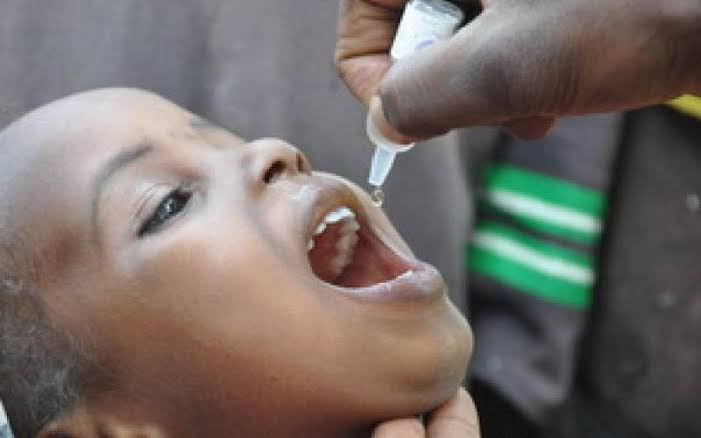
Children should receive polio vaccines according to Kenya’s national immunisation schedule, which includes the oral polio vaccine (OPV), administered as drops, and the inactivated polio vaccine (IPV), given by injection. Parents should check their children’s vaccination cards and consult health workers to confirm that all required doses have been administered.
“Parents should keep their children’s immunisation cards and attend every scheduled clinic visit. Each dose is important in building protection. If a child misses a dose, the parent should visit a health facility so the health worker can advise on the appropriate catch-up schedule,” she says.
Polio spreads easily in areas where sanitation and hygiene are poor. The virus can be transmitted when people come into contact with infected faeces or consume contaminated food or water. Inadequate handwashing and exposure to contaminated surfaces can also increase the risk of infection.
Diagnosis involves assessing symptoms and conducting laboratory tests, particularly on stool samples. Additional tests may be required depending on the symptoms and clinical assessment.
Although many infected people do not develop noticeable symptoms, severe cases can cause irreversible paralysis. The disease can also affect the muscles used for breathing, making it potentially fatal. There is no cure for polio, and treatment focuses on managing symptoms and complications.
Dr Okwoyo urges parents whose children have missed scheduled vaccinations to seek medical advice rather than abandon immunisation.
“A missed appointment should not become a reason to abandon immunisation altogether. Bring the child to the clinic with whatever records you have. We can assess the doses already received and advise on the next steps,” she says.
The World Health Organization estimates that one in 200 polio infections leads to irreversible paralysis. Among those who become paralysed, five to 10 per cent die when their breathing muscles become immobilised.
Kenya’s progress against polio depends on maintaining vaccination coverage, particularly in remote areas, informal settlements and mobile communities where access to healthcare may be limited.
The two vaccines offer complementary protection. While IPV protects against paralytic disease, OPV also helps build immunity in the intestines, reducing the spread of the virus.
Global polio cases have fallen by more than 99 per cent since 1988, but the risk remains until transmission is interrupted everywhere. Health experts continue to urge parents to ensure their children receive all recommended doses to prevent avoidable infections and lifelong disability.