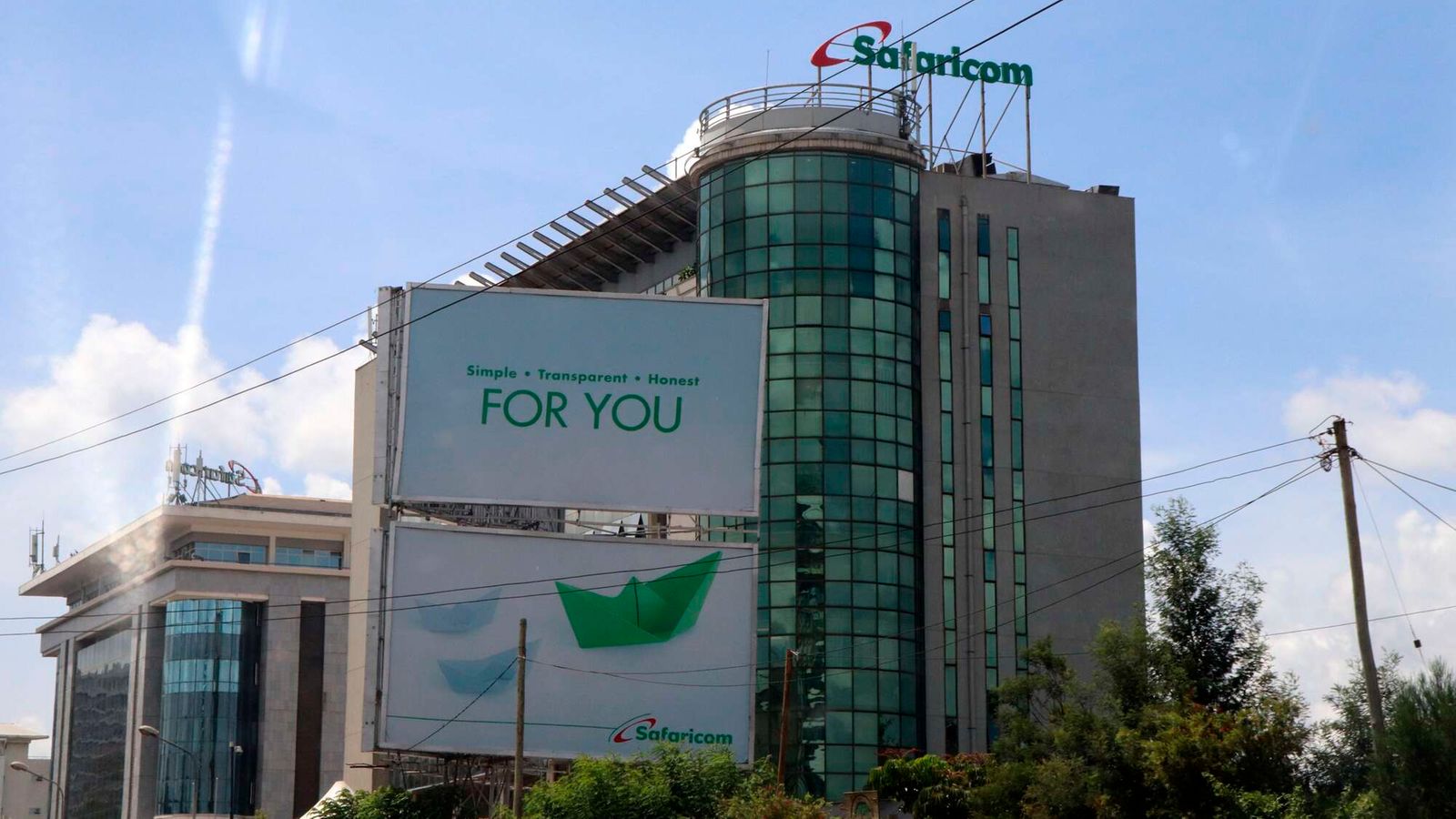
The Employment and Labour Relations Court has dismissed a former Safaricom employee’s claim for Sh35 million following her dismissal over alleged misuse of medical insurance benefits.
The court ruled that Safaricom had valid reasons to dismiss Ms Lynette Oduor and had followed a fair disciplinary process. The court rejected her claims of unfair termination, discrimination and additional payments.
Ms Oduor had worked for Safaricom for about 16 years, rising from customer care representative to the position of Quality Analyst (Analyst–Experience Assurance Officer).
She earned a gross monthly salary of Sh203,632 when the company dismissed her on September 23, 2021.
The dispute began when Ms Oduor visited Mater Hospital’s Buruburu clinic on June 29, 2021, with her cousin. She said she had abdominal pain and underwent a consultation and ultrasound scan. The alleged misconduct was that she used her Safaricom medical insurance card to obtain treatment for her cousin, who was not eligible for cover under the company’s medical scheme.
The company alleged that Ms Oduor presented her medical card to access services for the ineligible relative, contrary to the scheme’s rules.
She said staff later reported her card missing and her insurance account locked. She paid Sh8,300 and was given an ultrasound report belonging to another patient, she claimed. Minet Insurance Brokers, which administered Safaricom’s employee medical cover, investigated the incident. It reviewed CCTV footage, interviewed hospital staff and Ms Oduor, and examined medical claim forms.
Its investigator, Genson Mbae, testified and produced the report.
The investigation concluded that Ms Oduor had attempted to use her benefits to treat an ineligible person.
She maintained that she was the patient seeking treatment for abdominal pain, and said her cousin had accompanied her.
She claimed that Mater Hospital staff misplaced her medical card, locked her insurance account, and gave her an ultrasound report belonging to another patient. She said she paid Sh8,300 for the services.
Safaricom said its policy covered specified family members but not cousins, and that misuse breached its medical scheme rules and code of conduct.
The court rejected her explanation, citing inconsistencies in her account, discrepancies in medical claim forms and CCTV evidence. It also noted that she did not call her cousin or the doctor she said had treated her to corroborate her account.
The court accepted Minet’s findings and ruled that Safaricom had valid grounds to dismiss her for gross misconduct.
The court found discrepancies in Ms Oduor’s account and the medical forms she relied on. The judgment says a form dated June 28 carried a Mater Hospital stamp, while another for June 29 carried an AAR stamp. The forms also named a doctor whom the court found was working at AAR on both dates.
The judge noted that Ms Oduor did not report the alleged card loss, seek reimbursement, or return to Mater for the correct scan report. She did not call the cousin or the doctor to support her account.
Ms Oduor maintained that she had performed well and had never received a warning. Safaricom said it gave her the investigation report with a show-cause letter, invited her to two hearings and informed her of her right to appeal within 10 days.
“The court is therefore convinced that the respondent followed the due process in terminating the claimant’s services,” the judge said.
Ms Oduor argued Safaricom relied on Minet’s report without conducting its own investigation. The court said Minet’s probe was sufficient because Safaricom had delegated medical scheme administration to it.
The court said an employer need not prove misconduct beyond reasonable doubt, but must genuinely believe the grounds for dismissal existed. It found Ms Oduor had an opportunity to respond.
The court also rejected Ms Oduor’s discrimination claim because she had not identified comparable employees who were treated differently or established a factual basis for discrimination.
She had sought Sh34.2 million in salaries to retirement, Sh1.6 million in service pay, pension benefits, compensation, damages and a Sh35,000 staff phone benefit.
The court said employment does not guarantee work until retirement. It found her NSSF and NHIF membership excluded her from service pay, while her pension claim should be pursued with the separate scheme.
The judgment states that Safaricom paid Ms Oduor Sh76,362 in terminal dues after statutory deductions in October 2021 and issued her a certificate of service.
“In conclusion, the claimant’s claim is found without merit and is hereby dismissed with costs,” the judge ruled.