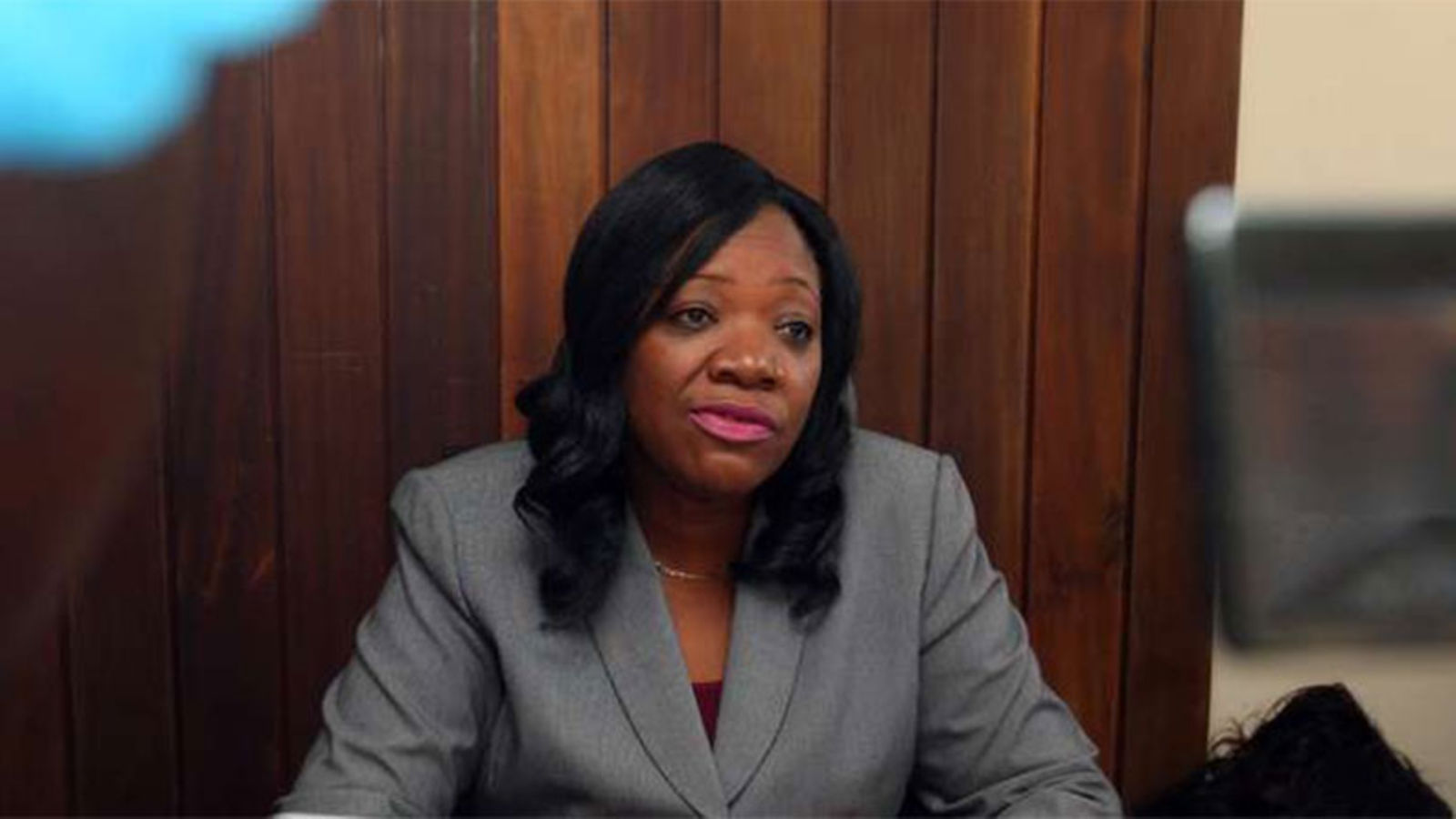
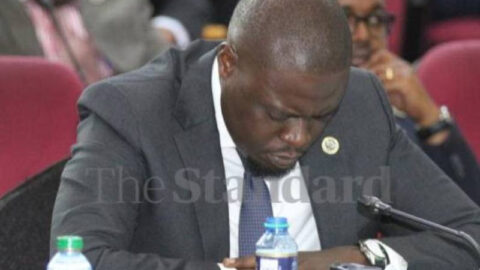
An Employment and Labour Relations Court judge, Hellen Wasilwa, has stepped aside from a Sh18.4 billion dispute between the Board of Trustees of the Kenya Broadcasting Corporation (KBC) Staff Retirement Benefits Scheme and their lawyer, Morara Omoke.
The judge recused herself after Mr Omoke applied, alleging a denial of fair hearing, although she found no evidence supporting his claim of judicial bias.
The heart of the dispute is how Mr Omoke’s legal fees should be calculated after he represented the pension scheme in a case against KBC, in which he put the amount due at Sh18.42 billion, before the trustees and the broadcaster later agreed to settle the claim at Sh1.51 billion, a reduction that Mr Omoke contests because it would reduce his fees.
Ruling on the recusal application, Justice Wasilwa said Mr Omoke had participated in earlier proceedings and could challenge unfavourable decisions on appeal.
She nevertheless referred the fee-taxation reference to the Presiding Judge of the court’s Claims Division, saying justice must be seen to be done.
The dispute began with a 2018 suit by the scheme’s trustees against KBC over unremitted employee and employer pension contributions. Justice Maureen Onyango ruled for the scheme on April 27, 2022, and directed the parties to calculate the sums payable.
Mr Omoke later filed computations putting the claim at Sh18.42 billion, while KBC calculated Sh18 billion. The trustees subsequently reconciled the account with KBC and agreed to settle the debt at Sh1.51 billion in a consent dated January 15, 2026. Justice Wasilwa adopted the consent on March 9, opening a fresh dispute.
The gap now lies at the centre of the lawyer’s fee dispute. Mr Omoke argues the consent understates the case’s value and should not determine his fees. The trustees claim that his earlier computation was unauthorised and the reconciled figure should guide taxation.
Mr Omoke sought the judge’s recusal, arguing that decisions he said denied him a fair hearing. He complained that on January 14, 2026, the court allowed the pensioners scheme to change lawyers despite finding defects in its application.
He argued the consent breached a November 2022 order suspending the proceedings until his fees were taxed and settled. He claimed the settlement omitted contributions, rental income, statutory compound interest and costs.
Mr Omoke said the scheme’s computation was Sh18.42 billion, against KBC’s Sh18 billion. He alleged the trustees later directed him to reduce the scheme’s figure to Sh6.3 billion, which he refused. The consent, he said, cut his computation by about 91.8 per cent.
He also claimed the consent omitted Sh230 million he had recovered for the scheme, a 72-unit property in Shauri Moyo transferred by KBC in October 2025, and a Sh3.27 billion payment he said was due by May 31, 2026.
The trustees opposed recusal, saying the lawyer had filed a preliminary objection and written submissions in the earlier proceedings. They argued the judge considered his objections and that an unfavourable outcome did not mean he was denied a hearing.
They said the consent settled the debt between the scheme and KBC, while Mr Omoke was not a substantive party to that reconciliation. His interest in a higher figure for calculating fees, they argued, did not give him control over the settlement. They accused him of seeking another judge after unfavourable decisions.
Justice Wasilwa said the record contradicted Mr Omoke’s claim that he had not participated. “The averment by the applicants that this court did not allow them to participate in the application is therefore factually incorrect,” she ruled.
She said adoption of a consent opposed by Mr Omoke did not establish bias because he was not a substantive party to the agreement.
“The fact that the orders granted did not favour the respondent does not in my view point to any bias,” she said.
The judge noted the lawyer had alleged no personal relationship, conflict of interest or other misconduct.
“The applicant seems to only aver that the orders granted by the court were contrary to his expectations and for which he has recourse to an appeal,” she said.
She nevertheless recused herself, citing the need for confidence in the process. “The counsel needs to not only have justice done but also to see it is done,” she said, referring the case to the Presiding Judge Claims Division for further directions.