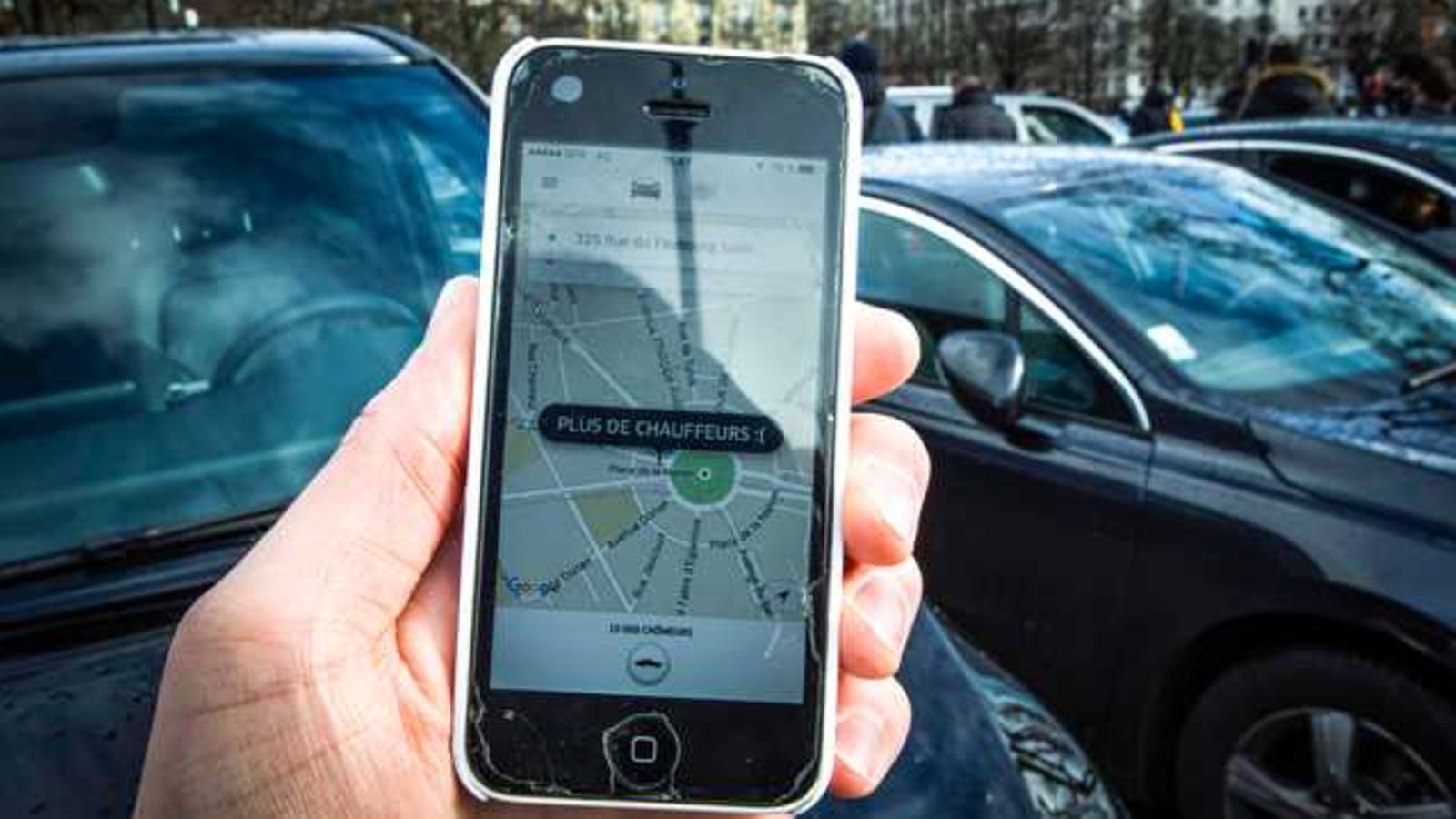
For a regular digital-taxi user, the cost of getting to work, meeting friends, or ordering a meal online can add up over a month.
Ride-hailing companies are betting that some of these customers will be willing to pay a fixed fee upfront in exchange for discounts, faster pick-ups and cheaper deliveries.
The Estonian mobility firm Bolt introduced a subscription service in Kenya last week that bundles ride and delivery benefits for a monthly fee of Sh280 or an annual payment of Sh899.
Bolt Plus subscribers earn five percent to ten percent cashback on rides, credited to their Bolt accounts for future trips. They also get free delivery on eligible food and retail orders, priority access to drivers during peak periods, and up to three free ride cancellations a month.
The service costs Sh280 a month or Sh2,800 annually, offering cashback on eligible economy and premium rides and food orders, free delivery on qualifying orders above Sh600, waived service fees and access to member-only promotions. Uber One is also available in South Africa.
These products are part of a larger shift in the ride-hailing business, which initially grew by offering customers an on-demand alternative to traditional taxis, charging per trip.
The platforms now aim to deepen their relationship with frequent users by bundling transport, food and retail deliveries into paid memberships.
The model borrows from the subscription economy popularised by streaming services such as Netflix, YouTube and Spotify, where customers pay recurring fees in exchange for ongoing access or benefits.
In mobility, the value proposition is paying for the prospect of spending less on journeys and shopping deliveries which customers would otherwise book individually.
For the companies, subscriptions offer a potential source of more predictable revenue in a business where earnings can fluctuate with demand, competition and the number of trips completed.
They can also encourage customers to make more bookings through one platform rather than switch between competing apps.
Analysts say customers who have already paid for a membership may be more inclined to book their next ride or meal through the same service to make the most of the benefits. This gives platforms another way to retain users in the competitive market where attracting and keeping customers is key.
The strategy also allows ride-hailing firms to extend their relationship with customers beyond transport. By combining rides with food and retail delivery, they can encourage members to use the same app for several everyday needs, potentially increasing the frequency of transactions.
“A subscription only works when the customer can see the value in it,” said Ivy Maingi, Bolt Food’s Kenya general manager. “We looked at what our most frequent customers do every day: take rides, order food, buy groceries and change plans.”
Kenya’s digital commerce market is expanding, and the Covid-19 pandemic accelerated online shopping, with supermarket chains such as Quickmart, Carrefour and Naivas investing in mobile apps.
Marketplaces including Jumia, Kilimall and Jiji have also helped normalise online transactions, while smaller businesses increasingly use TikTok, WhatsApp and Instagram to sell directly to consumers.
Mobile money has made it easier for these sellers to collect payments without operating physical shops, creating demand for the delivery networks that connect online businesses to customers.
For ride-hailing platforms, delivery services provide an additional revenue opportunity and a way to keep their apps relevant even when users are not travelling.
Sh168.97 billion gig economy
The shift is coming in a market that supports a growing number of workers and businesses. A recent Ipsos report put Kenya’s gig economy at $1.03 billion (Sh168.97 billion), with 1.54 million gig workers as of June 2025.
E-commerce accounted for 42 percent of gig-based economic activity, ride-hailing 20 percent, and freelancing 17 percent.
For drivers, more frequent bookings could translate into additional work, while for businesses selling through apps, bundled delivery perks could also encourage customers to place more food and grocery orders.
The subscription model, however, depends on whether customers use the benefits often enough to justify the fee.
A person who takes several rides and orders food regularly may recoup the cost through cashback and waived charges. For an occasional user, however, the same membership could become an extra monthly expense.
The economics also depend on how much of the discounts and delivery costs the platform absorbs, and whether the resulting increase in bookings makes up for the benefits given to members.
Priority access to drivers may improve the experience for subscribers, but analysts say its value depends on driver availability and the level of demand at a particular time.