The Capital Markets Authority (CMA) is working on proposals for unit trusts such as money market funds to obtain an investment rating, providing investors with a risk profile of the 320 funds that are managing over Sh1 trillion in wealth.
The capital markets regulator reckons the fund and investment manager ratings will be an added layer of protection for ordinary investors who lack the sophistication to evaluate risks in unit trusts, which include money market funds (MMFs), balanced funds, equity and fixed-income funds and special funds.
The number of Kenyans who have invested in unit trust schemes topped 4.14 million in June 2026, while assets under management (AUM) reached Sh948.7 billion up to the same time from Sh56.6 billion in March 2018, reflecting a 16-fold growth.
Growth in investments and millions of people putting their money in unit trusts has necessitated the need for the market’s regulator to provide additional risk cover.
Under the planned ratings, funds will be assessed on quality of the underlying assets such as shares, offshore investments and bank deposits, as well as the ability of managers to sell an investment to meet investors’ obligations such as fund withdrawals.
Presently, investors lack the ability to evaluate risks attached to the assets in unit trusts the denying the majority of investors to make informed investment choices.
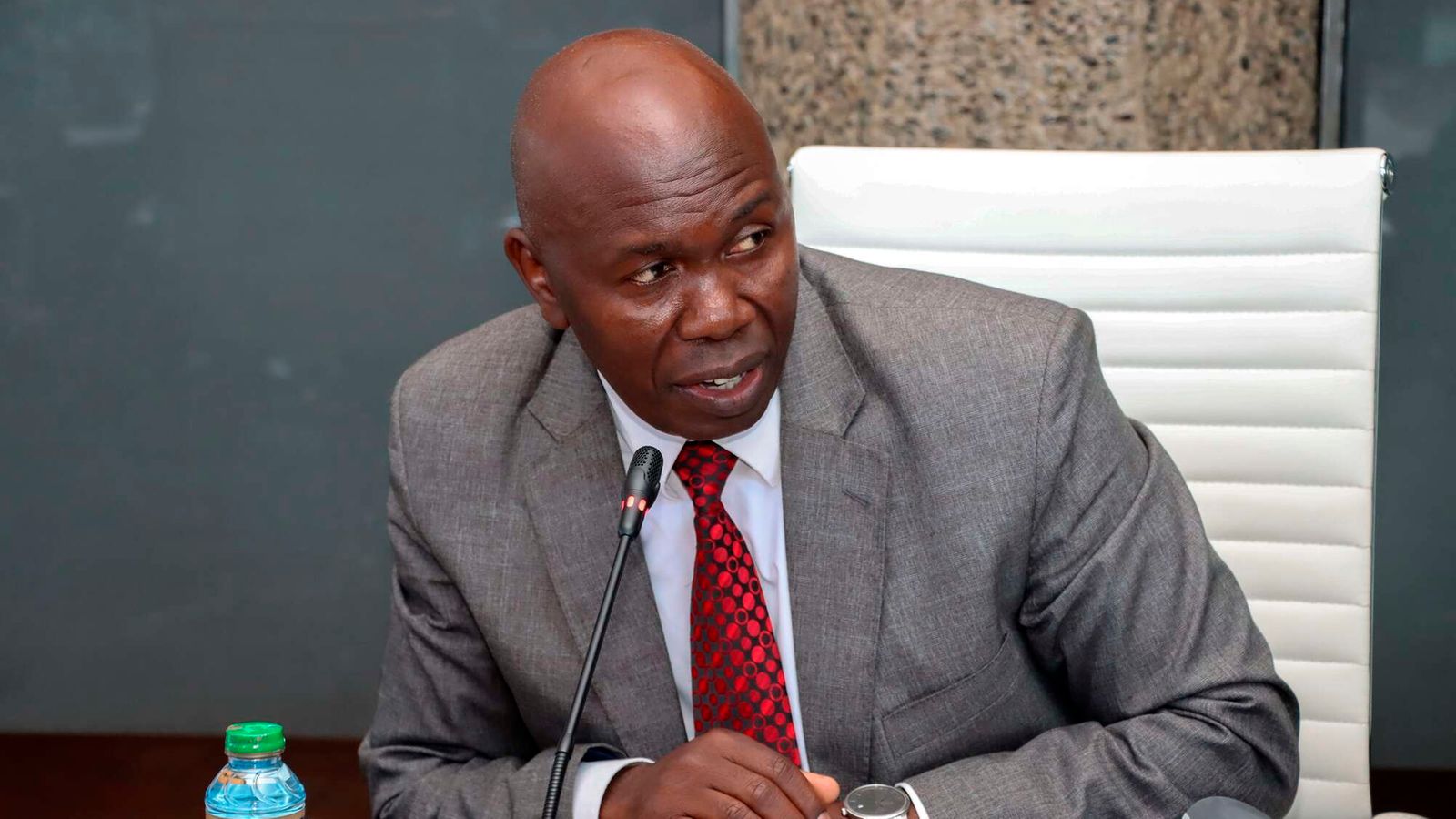
“On a daily basis, we are getting a lot of enquiries from investors on the disclosures made by fund managers, asking whether one fund is good or another is safe. By going the way of markets such as Nigeria, we believe that ratings would be able to speak to these questions,” said Wycliffe Shamiah, the chief executive officer of the Capital Markets Authority (CMA).
“We need to think whether it is easier to have an independent party look at fund manager disclosures or have business as usual where everybody wonders whether the figures you display are factual.”
The ratings requirement comes amid recent concerns on quality of disclosures made by fund managers, with the CMA having cautioned some managers over marketing ‘unrealistic returns’ to clients.
Jurisdictions such as Nigeria mandate that all money market funds are rated to protect small savers and boost trust in collective investment schemes.
Fund managers running specialised funds in the West African country are also obligated to have two investment manager ratings.
Special funds focus on specific sectors, investment themes, or asset classes to meet targeted investor preferences.
Kenya prefers to follow the United States or the European Union (EU) where external credit ratings for unit trusts are not legally mandated but are encouraged as an added layer of protection.
The US restricts its MMFs to buying high-quality, short-term debt instruments, and must perform their own independent credit analyses including voluntarily seeking ratings from agencies such as S&P, Moody’s, or Fitch.
Pan-African credit rating agency Agusto & Co says fund and investment manager ratings could help deepen Kenya’s collective investment schemes industry on higher investment confidence.
Kenya’s unit trust industry trails countries such as South Africa, whose assets stood at Sh35.8 trillion ($276.7 billion) as of the end of March this year, Morocco at Sh11.8 trillion ($91.3 billion) and Egypt at Sh1.08 trillion ($8.4 billion).
“We are trying to sensitise local fund managers and investment banks on the essence of having collective investment scheme rates, as it would improve transparency and disclosures, allowing investors to understand what they are getting into and be better informed,” said Yinka Adelekan, Group Managing Director of Agusto & Co Limited.
The funds will be rated on the risk of default on an asset such as a bond they have invested in, changes in returns, currency risks and liquidity and ability of an investor to retrieve their cash.
Alternative investment funds such as special funds have a tighter regime, where the rating agency seeks to evaluate cash flows from assets, liquidity, and financial leverage or debt burden.
The investment manager rating looks at skills of an asset management company, including systems and people, including the track record of senior management and staff abilities.
“I see ratings playing a complementary role and do not take away the responsibility of a fund manager. As fund managers, we continue to do our due diligence and evaluate opportunities. Ratings will help enhance that credibility by complementing what we do as professional managers,” said Fred Mburu, the chief executive officer of FMA.
As of June 30, 2026, there were 66 approved collective investment schemes (CIS) comprising 320 funds.
Unit trust assets are expected to cross the Sh1 trillion landmark before the end of 2026, jumping from Sh56.6 billion in March 2018, when the CMA started tracking growth of the collective investment schemes.
“The increase can be attributed to overall growth reported by existing CIS funds as well as additional funds registered by existing umbrella schemes. The increase can also be attributed to intensified marketing efforts by the fund managers,” CMA said.
The money market fund (MMF), which invests primarily in cash and near-cash instruments such as Treasury bills, remains the most popular type of unit trust ahead of special funds, fixed income funds, balanced funds and equity funds.
The number of Kenyans invested in the unit trust schemes has grown from 171,904 in March 2021 to 4.1 million at present, reflecting the popularity of the vehicles and anchoring the importance of enhanced investor protections.
CMA regulates the unit trusts and requires regular disclosures, including asset allocation and returns.