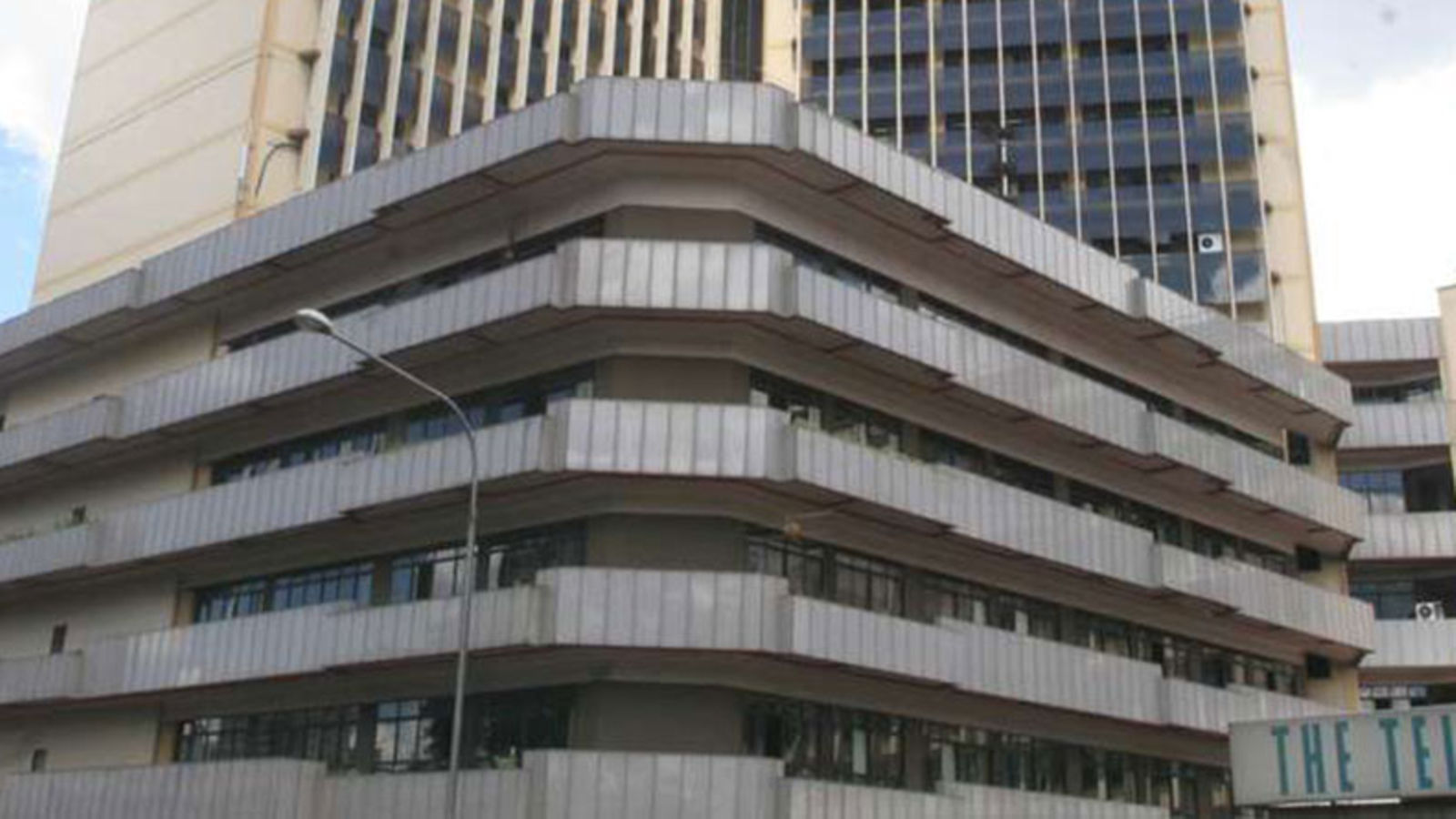
Three government ministries are lining up Sh9.62 billion to buy properties owned by Telposta Pension Scheme as the retirement fund moves to cut its real estate exposure to within the Retirement Benefits Authority (RBA) limits.
The scheme’s latest annual report shows that the Ministry of Information, Communications and the Digital Economy, the National Police Service, and the Ministry of Defence have agreed to buy four properties in Nairobi, Mombasa and Gilgil.
The ICT ministry will pay Sh6.85 billion for Telposta Towers in Nairobi, the police Sh1.27 billion for flats in Makande and Bombolulu in Mombasa, while the Defence ministry will pay Sh1.5 billion for staff quarters in Gilgil.
The disposals would help reduce property concentration, which accounted for 90.44 percent of the scheme’s portfolio in the year ended June 2026, up from 82.71 percent a year earlier. This is nearly three times the 30 percent ceiling for investments in immovable property set by the RBA.
The Cabinet approved the purchase of Telposta Towers on April 27, 2026, with the scheme’s trustees are working with the ministry to finalise the payment plan and sale agreement.
“The trustees held a series of meetings with the prospective buyer and are in the process of finalising a payment plan and executing the sale agreement,” the scheme said.
Located along Nairobi’s Kenyatta Avenue, Telposta Towers has 403,826 square feet of space across 29 floors, with 98 percent currently occupied by government ministries.
The National Police Service plans to acquire 100 flats in Makande and 88 in Bombolulu for Sh1.27 billion, with the purchase to be financed over three financial years.
The Defence ministry has agreed to buy the Gilgil GTI staff quarters for Sh1.5 billion. The property comprises 174 rental units and 68 acres of undeveloped land.
The Gilgil property will be paid for in three instalments of Sh500 million, due on October 31, 2026, January 31, 2027, and July 31, 2027.
The sales would allow the scheme to diversify into other asset classes, improve liquidity and reduce reliance on property to meet pension obligations.
The pressure to rebalance its investments comes as the scheme’s finances face rising property-related costs. Its net assets fell to Sh13.64 billion in June 2026 from Sh14.50 billion a year earlier, while investment income remained largely unchanged at Sh986.5 million.
Property management expenses rose 62.2 percent to Sh892.5 million from Sh550.38 million. Spending on repairs, refurbishment and utilities increased eight-fold to Sh403.76 million, while property pre-disposal expenses rose 26 percent to Sh182.97 million.
The scheme was closed to new entrants and future benefit accruals from November 30, 2007. Nearly 84 percent of its members are aged between 60 and 79, increasing the importance of having liquid assets to meet retirement obligations.
Most members are former employees or dependents of workers of the East African Posts and Telecommunications Corporation and the Kenya Posts and Telecommunications Corporation.
The two entities gave rise to Telkom Kenya, the Postal Corporation of Kenya and the Communications Authority of Kenya, which later established separate pension schemes, leaving Telposta as a closed fund.
The State provided Sh8 billion when the scheme was converted into a closed fund, with Sh3.7 billion transferred to members who moved to successor schemes.