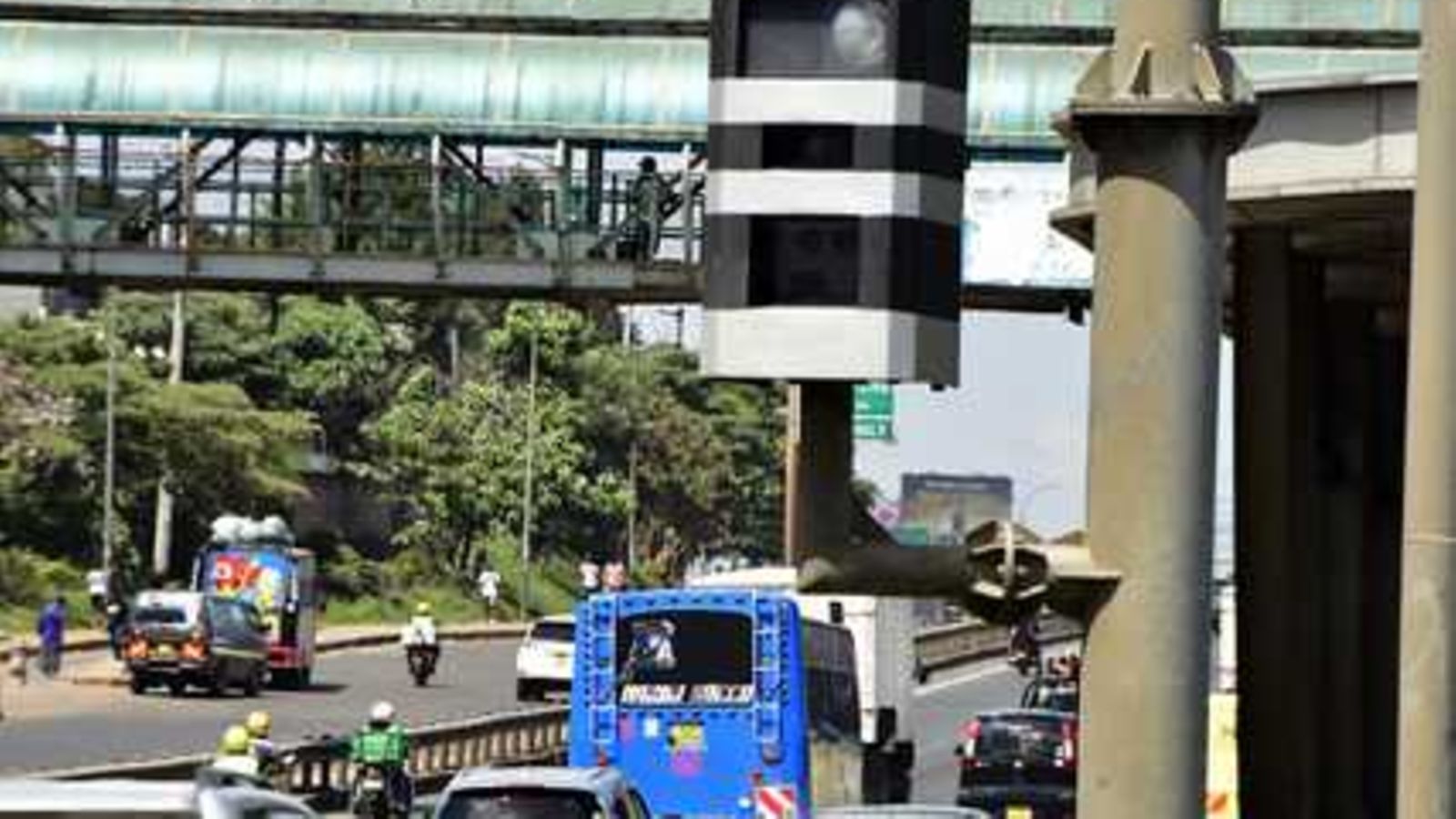
Annual average figures of fatalities on Kenyan roads stand above 4,000, a mean of 10 deaths daily. This is a huge social-economic loss, which calls for commensurate responses. One of these may have been the recent installation of digital speed cameras integrated with the National Transport and Safety Authority (NTSA) database.
Motorists exceeding permissible speed limits are served with penalty tickets through their mobile telephones and required to pay within seven days. Speed breaches exceeding prescribed limits by six-10 kilometres per hour attract a penalty of Sh500. Those above 11-15 kilometres per hour attract penalties of Sh3,000 while those exceeding the specified speed limit by 16-20 kilometres per hour pay Sh10,000.
Two hypotheses on the objective behind installation of speed cameras on our roads may inform. One could be revenue generation. To achieve this, those responsible would be inclined to trap as many motorists as possible in order to optimise revenue returns.
The strategy would, therefore, include hiding the speed cameras, failing to sensitise motorists about their installation and locations, or remaining vague about the applicable speed limits. It could also involve shifting the locations of the speed cameras periodically so that motorists have difficulties internalising them. Penalties would also be kept high.
The second hypothesis is that the cameras are to regulate speed limits, cultivate behavioural change and minimise accidents. Such an objective would, therefore, be effectively delivered through ensuring adequate public awareness about the installation and locations and applicable speed limits.
The speed cameras would be installed in high-risk zones prone to accidents, near schools, and in areas that suffer heavy pedestrian crossing. Furthermore, the speed limit and camera-surveillance warning signs would be prominent, easily read by drivers, and be at reasonable intervals along the roads.
Sections with newly installed speed cameras would enjoy grace periods of a few months in order to sensitise motorists, with those in breach over the period served with warning ticket only. Penalties would be deterrent, but affordable to all drivers. The revenue received would go towards public awareness and road maintenance initiatives.
The case in the first hypothesis is likely to result in muted resentment, with motorists feeling unfairly tricked and fined, and is unlikely to result in any meaningful behavioural change. The objective under the second hypothesis, which I suppose informed the NTSA initiative, may result in long-term behavioural change, and fewer fatalities, if well publicised and implemented. However, given lived experiences, NTSA could improve the system.
The current warning signs on camera locations and permissible speed limits are inadequate. Some, such as those on footbridges high above a drivers’ line-of-sight, are invisible. The warning signs need to be increased, placed within reasonable distances on roads, and the fonts made easily readable.
Cameras in low-risk accident areas need to be moved to high-risk ones, and sections with few pedestrian crossing designated for speed limits that encourage faster traffic flow to minimise jams. Public sensitisation should be intensified. Furthermore, in our constrained economy, fines not exceeding Sh5,000 are painful enough and will accommodate even the low-income earning motorists. The payment process could also be made easier