Regulated savings and credit society cooperatives (saccos) reduced the volume of bad loans by Sh10.42 billion in the year ended December 2025 to Sh60.45 billion in the prior year, reflecting improved loan recovery and enhanced loan appraisals.
This comes even as industry stakeholders say the high cost of living and increased taxes on salaried workers are weighing heavily on sacco members’ loan repayments.
Latest disclosures by the Sacco Societies Regulatory Authority (Sasra) shows the volume of non-performing loans (NPLs) in Deposit taking (DT) saccos fell from Sh63.75 billion to Sh51.47 billion, while that of Non-Withdrawable Deposit-Taking (NWDT) saccos reduced from Sh7.13 billion to Sh6.9 billion in the same period.
The proportion of total non-performing loans (NPLs) to gross loans called the NPL ratio amongst DT-saccos declined by 2.2 percentage points from 8.56 to 6.36 percent, while that of NWDT-saccos declined by 0.63 percentage points from 7.07 percent to 6.44 percent, according to the authority’s Sacco Supervision Annual Report (2025).
Gross loans and advances by deposit-taking saccos increased by 12.98 percent to Sh840.99 billion from Sh744.36 billion ,while those of the NWDT-saccos grew by 6.87 percent from Sh100.75 billion to Sh107.68 billion.
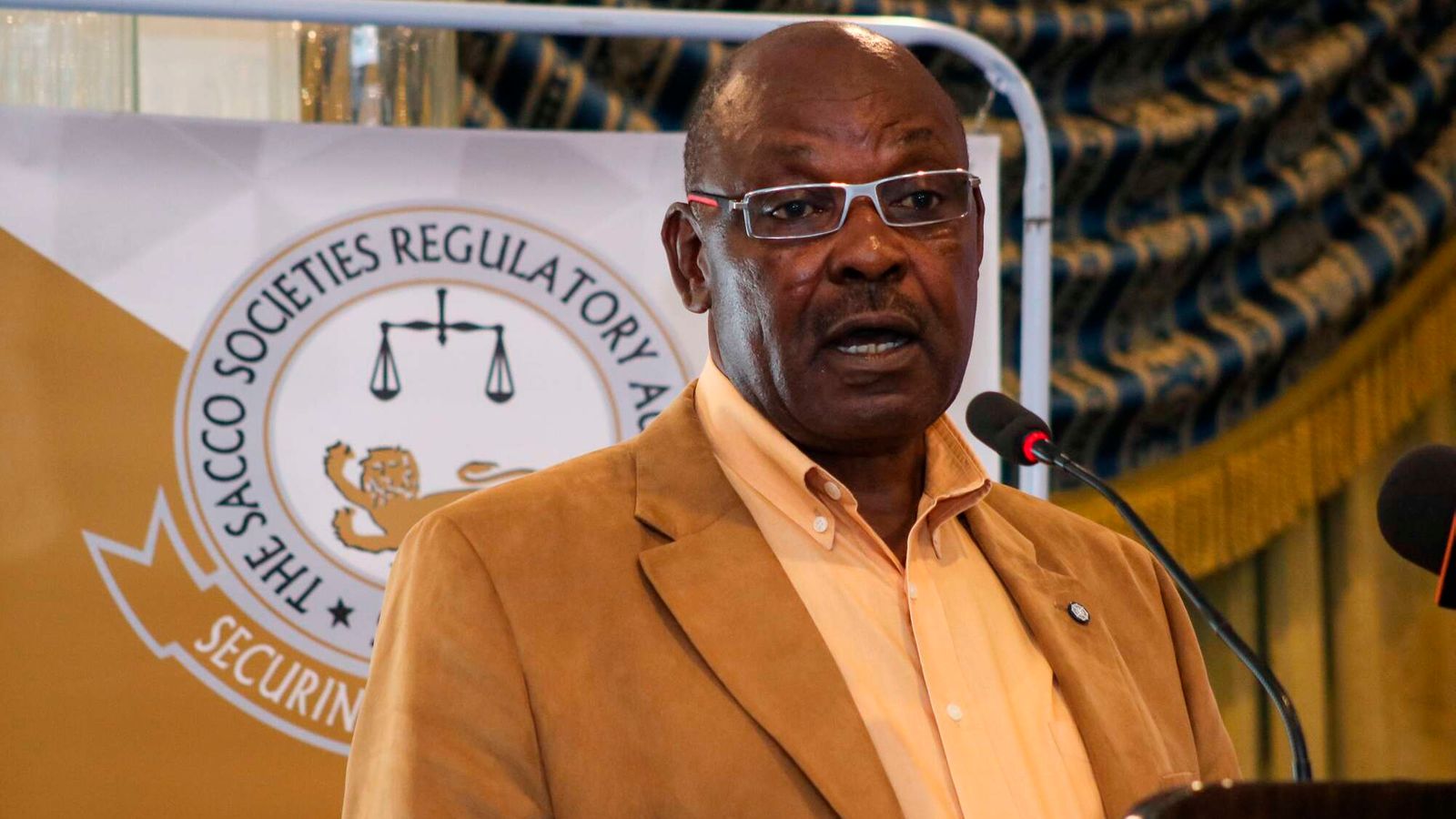
“Encouraging is the observation that regulated saccos reported significant improvement in the quality of their loan books as compared to 2024,” says Jack Ranguma, the authority’s Chairman.
Industry stakeholders, however, say a tough operating environment characterised by high cost of living and multiple government taxes are weighing heavily on the operations of saccos, impacting loan repayment by the members.
“Lately, saccos have been opening up to the business community and the business environment is a little volatile,” Harambee DT Sacco Chairman George Ochiri said.
“Two, the government has waged competition to the saccos in terms of levies and taxes (on payslips). What remains for the saccos and the other statutory bodies is little.”
“That is the situation. The membership of saccos is aging. That means new members with huge deposits are getting fewer by the day. The senior members want to maintain their membership but do not have a lot of ambition,” he said.
“Those are some of the issues but the general economic outlook, especially in Kenya, has been a bit tight in the last few years.”
According to Mr Ochiri, recovering loans from guarantors is the last option of a sacco since the guarantors themselves are feeling the pinch of a tough economy. They cannot make any additional contribution.
“I’m referring to the taxes the government imposes on salaried people. There has been no meaningful salary increment in recent years, especially at the civil service level. There is no pay increase in the private sector. That is the quagmire. What remains to be shared between the pocket of the member and the sacco has shrunk,” he says.
“In many cases, we restructure the loans in order to cushion guarantors from the vagaries of the harsh economy. That is why making guarantors pay is the last resort.”
There are 357-regulated saccos consisting of 179 deposit-taking and 178-non-withdrawal deposit-taking.
Sacco membership also continued to expand in the period under review, increasing to 7.87 million in 2025 from 7.39 million in 2024.
The regulator said the steady growth demonstrates the enduring confidence Kenyans continue to place in saccos as part of the domestic financial service providers.