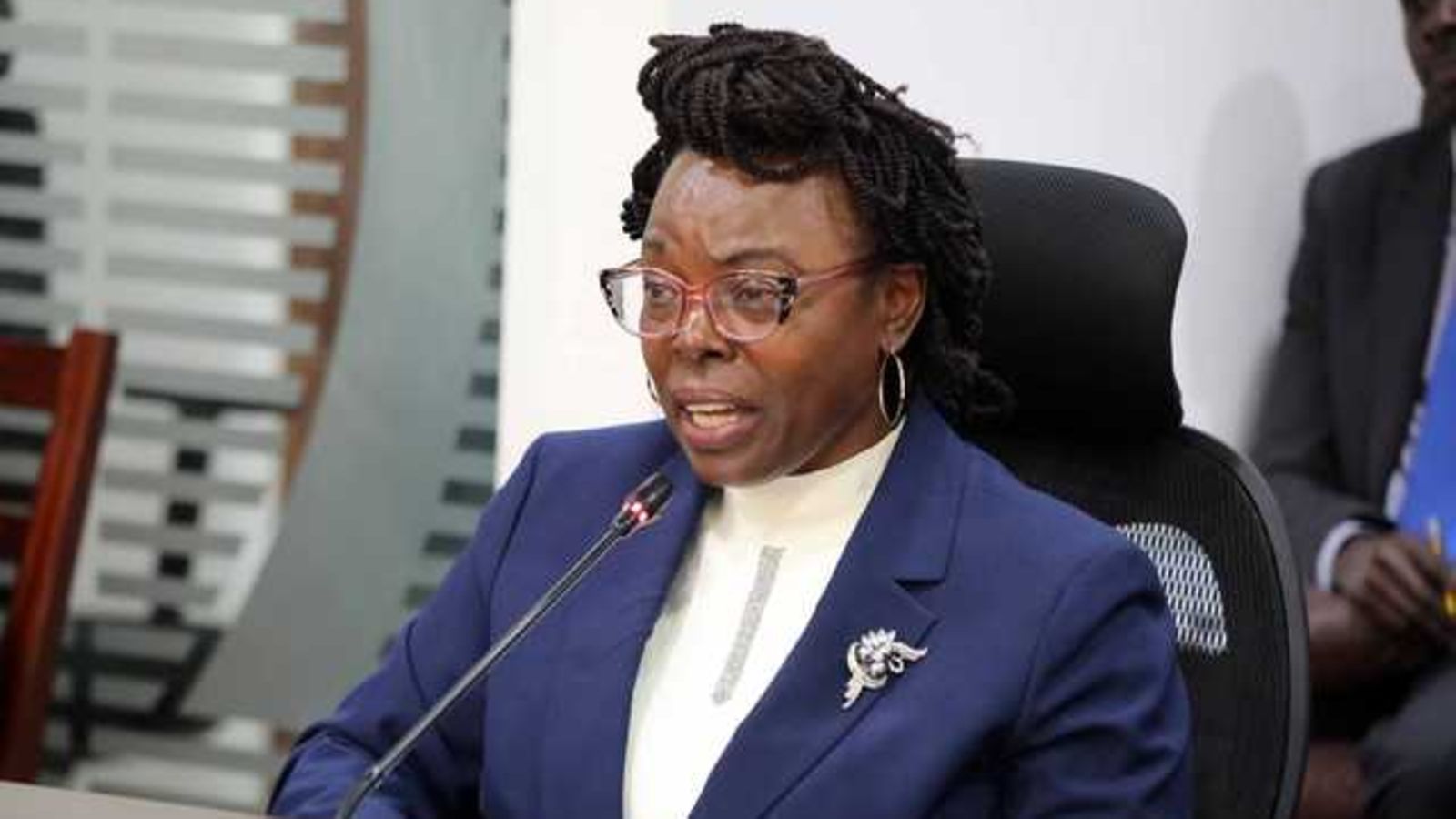
We are in the middle of a raging debate about the role and powers of the Office of the Controller of Budget—the gatekeeper of the public purse—following remarks by its current holder, Dr Margaret Nyakang’o, during an interview on a popular television programme.
Her comments attracted attention because many Kenyans interpreted her assertion that the office has no visibility over funds and levies held outside the Consolidated Fund—including the multi-billion-shilling National Infrastructure Fund—as an alarming disclosure. They saw it as evidence that the Executive had hidden public money from an all-seeing watchdog.
It was nothing of the sort. Dr Nyakang’o was stating a truism of Kenya’s post-2010 public-finance architecture: by constitutional design, the Controller’s gate-keeping powers are largely limited to withdrawals from the Consolidated Fund. Funds and levies held outside it fall beyond her office’s direct remit.
She was lamenting the position of a gatekeeper who has found herself reduced to a toothless watchdog amid unprecedented activity through a multiplicity of financial backdoors and windows.
Here is some history on how we got here. Older readers will remember the late D.G. Njoroge, the long-serving occupant of an office once known as the Controller and Auditor-General.
Under the 2010 Constitution, we separated the functions of controller and auditor. The Office of the Controller of Budget took over the controller’s role, while auditing was assigned to the Auditor-General.
The Constitution requires money raised or received by the national government—including borrowing—to be paid into the Consolidated Fund. This suggests that the framers assumed oversight by the Controller of Budget would be comprehensive.
But the Constitution also allows Parliament to create other public funds for specific purposes through legislation. That narrow exception has since evolved into a broad practice: create a fund, attach a levy to it, appoint a board and operate outside the Consolidated Fund. The result is that an entire class of public spending now escapes the Controller’s preventive oversight.
Some will say Dr Nyakang’o is splitting hairs because such funds remain subject to audit by the Auditor-General. But an audit is retrospective. It examines what happened after money was received, committed or spent.
The controller’s role is preventive: to ensure that public money is lawfully withdrawn before it leaves a public fund.
What should alarm us even more is the opacity surrounding the pledging of these funds and levies to special-purpose vehicles, as has happened in the securitisation transactions we have witnessed recently.
When the government pledges tomorrow’s revenue to raise money today, the public should be able to see, in one place, how much was raised, how much will ultimately be repaid, which revenue has been pledged, who bears the risk, whether there is a government guarantee and what happens if projected revenues fall short.
A financing arrangement backed by a dedicated public levy should meet a higher disclosure standard, not a lower one. Every such transaction should require parliamentary approval, an independent valuation and publication of the present value of the pledged revenues, projected future cash flows and the full financing cost—including fees paid to advisers and guarantees.
The public-interest concern is straightforward. Motorists are paying today for roads while the government commits tomorrow’s levy revenue to repay borrowing. Citizens are entitled to know how much was raised, at what cost, by whom, for which projects and what liability remains on the public balance sheet.
Consider the Road Maintenance Levy Fund. The government has securitised part of Sh25 collected through the fuel levy for 10 years, and has raised billions.
Yet key executed documents—including the trust deed, facility agreement, SPV ownership structure, adviser fees, covenants and events of default—have not been made public.
The Talanta Stadium transaction is even more revealing. The Sports, Arts and Social Development Fund raised Sh44.516 billion, with future betting revenues earmarked for repayment over 15 years.
A financing deal backed by a public levy should not disappear into a maze of trusts, boards and special-purpose vehicles. It should be treated as public borrowing in substance, fully disclosed and subjected to parliamentary and independent scrutiny.
The principle is simple: if the State can pledge future public revenue, the public must be able to see the contract.