Local contractors and truck owners have moved to court seeking orders to compel the government to publish tax and duty concessions to Chinese contractors undertaking infrastructure projects in Kenya.
They claim unpublished exemptions have given foreign firms an unfair competitive advantage, creating a 25-35 percent cost difference in their favour and pushing local businesses into financial distress.
They want the court to declare unconstitutional continued use of contract-embedded tax and duty concessions on Chinese-financed projects without published legal authority.
The petitioners include the African Centre for Corrective and Preventive Action (ACCPA), Swan Movers Lifters Limited, Association of Micro and Small Enterprises Association of Kenya and Universal Lifters Limited.
Contractors say some of their members are facing insolvency and statutory winding-up demands after losing contracts and defaulting on loans used to finance trucks and heavy machinery.
“While such exemptions are lawful in principle, their implementation has been fundamentally flawed due to the absence of re-exportation requirements, the absence of tracking and audit mechanisms, and the absence of usage restrictions post-project completion,” ACCPA executive director John Maingi Macharia said.
Mr Macharia said foreign contractors import large fleets of trucks and heavy machinery duty-free for specific infrastructure projects but, after completion, retain the equipment and deploy it in the local market.
He said the machines were neither re-exported nor subjected to adequate audits by relevant authorities.
Petitioners say they have been providing haulage and lifting services in the construction sector but are disadvantaged by the tax and duty exemptions granted to foreigners.
They claim local firms buying similar equipment must pay import duty, import declaration fee and railway development levy, as well as bearing the full bank-financing costs.
According to the petitioners, the cumulative cost of acquiring a truck for a local operator is at least 51 percent higher than that of a foreign competitor benefiting from duty-free importation.
They say the cost disparity has enabled foreign contractors to consistently underbid Kenyan firms, resulting in loss of contracts, loan defaults and distressed auction of locally owned fleets.
The organisations say they filed the case after receiving complaints from local contractors, truck owners, transporters and suppliers since 2016.
They claimed many affected businesses had been reluctant to seek legal redress for fear of being blacklisted from government tenders, commercial retaliation and ongoing insolvency proceedings.
The petitioners say the government had facilitated infrastructure projects through bilateral agreements that allowed foreign contractors to import project equipment duty-free and enjoy other tax and procurement exemptions.
They cite Auditor-General reports which they say showed that revenue foregone through tax exemptions stood at Sh38.6 billion in the 2022/2023 financial year and Sh41.2 billion in 2023/2024.
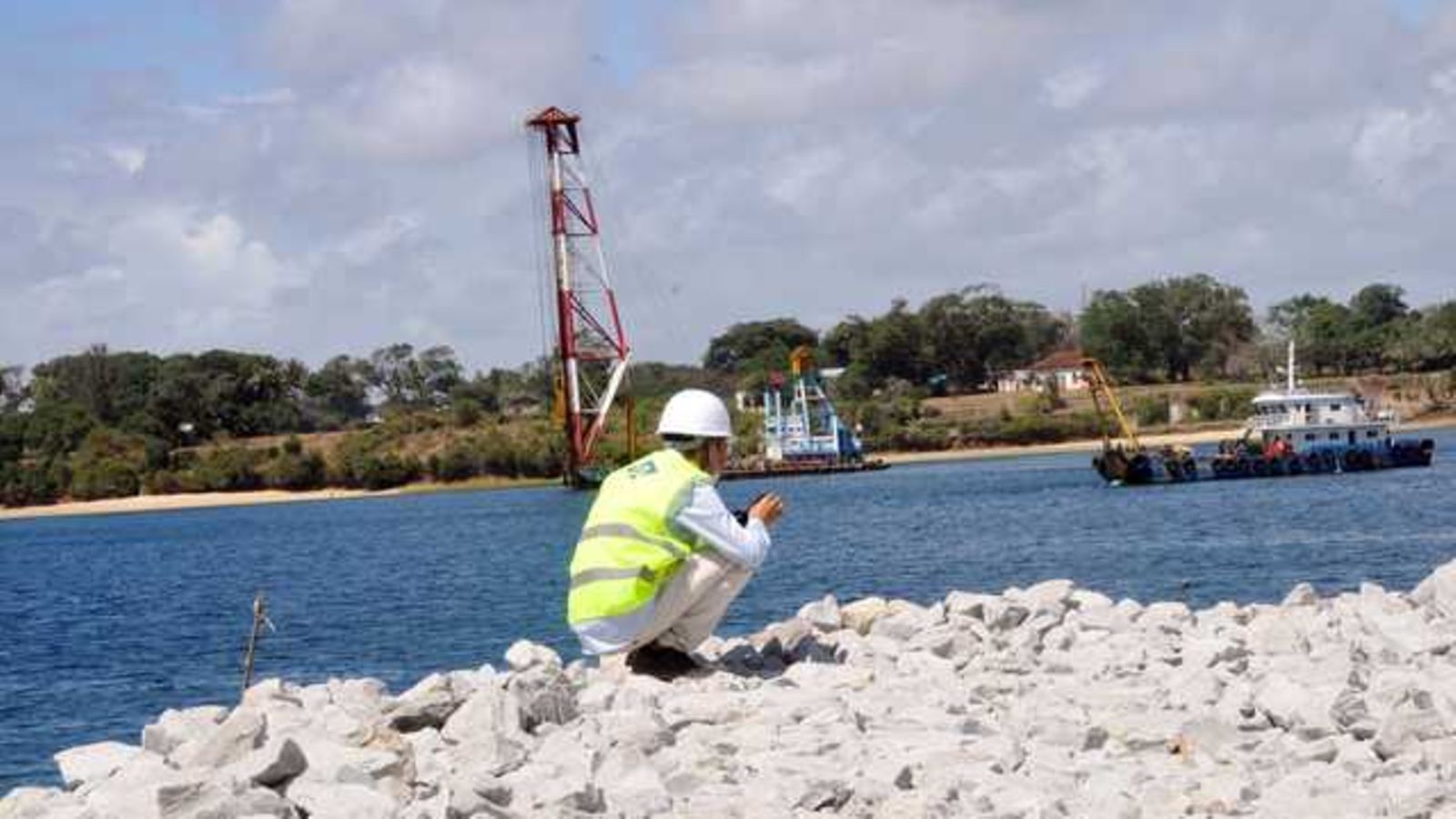
Mr Macharia said Japanese contractors had been granted exemptions through a Gazette notice issued in 2021, unlike Chinese contractors involved in projects such as the standard gauge railway, Nairobi Expressway, Thika Superhighway and Lamu Port.
The petitioners want the court to compel the government to publish the legal notices, Gazette notices, administrative directives or executive instruments through which tax exemptions, customs duty remissions or other fiscal concessions have been granted to such projects since January 2008.
The Attorney-General has opposed the petition, arguing that it raises no constitutional issue and was filed in the wrong forum.
“The matter is purely commercial in nature and should be entertained in another forum other than the Constitutional and Human Rights Court,” the A-G said.