Audio By Vocalize
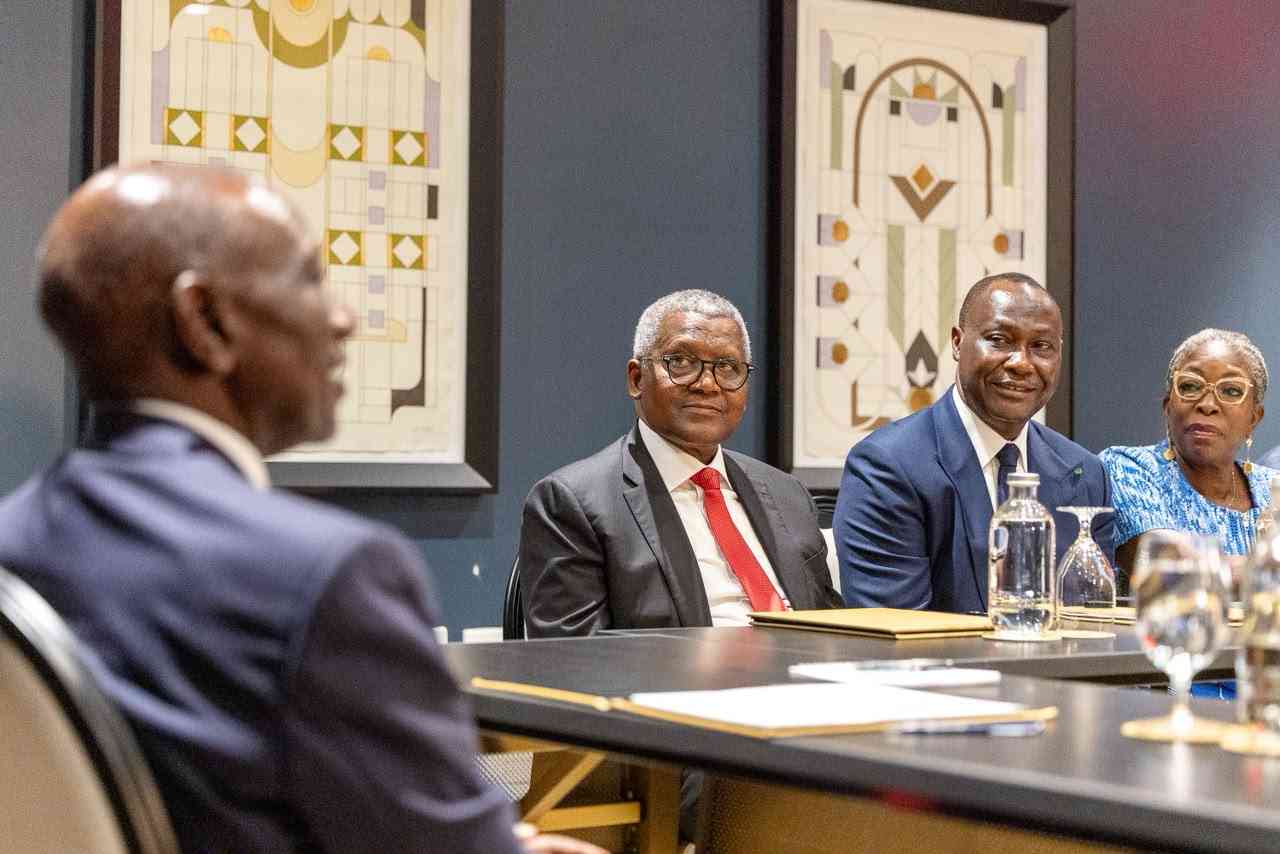
President William Ruto has offered Kenya as a test case for how African risk is assessed, saying the country will open its default and recovery data to rating agencies and accept changes to the methodology if the evidence supports them.
Ruto said financial rules are steering African pension savings towards government securities rather than infrastructure, even where regulations allow greater investment in projects.
He made the proposal Monday, September 21, at the Africa We Build High-Level Roundtable on regulation, risk and reward in New York. The Africa Finance Corporation (AFC) convened the event on the margins of the 81st session of the United Nations General Assembly.
Kenyan pension funds hold 46 per cent of their Sh3.2 trillion ($24.7 billion) in government securities but only 0.02 per cent in infrastructure debt, Ruto said. The rules allow pension funds to invest up to 10 per cent in infrastructure.
“Africa’s problem is no longer the amount of capital available to it. Africa’s problem is the set of rules that decide where that capital is allowed to go,” Ruto noted.
Ruto returned to an argument he made at the inaugural Africa We Build Summit in Nairobi in April, where he said African countries should use domestic capital to finance their own infrastructure.
At the New York roundtable, he revisited his earlier phrase, “he who pays the piper calls the tune”, using a teacher in Eldoret who has contributed to a pension fund for 20 years to illustrate his point.
“In Nairobi I said that he who pays the piper calls the tune. I meant it as a warning about depending on other people’s money. This morning I mean it as an opportunity. The teacher in Eldoret is paying the piper. She has earned the right to call the tune,” Ruto explained.
He said the teacher’s savings are more likely to sit in a US Treasury bill than in a nearby geothermal plant.
“Her fund manager is not being unpatriotic. He is being rational. The rules he works under tell him the Treasury bill is prudent and the power plant is adventurous. Capital follows incentives, and we wrote the incentives,” Ruto observed.
The Africa Finance Corporation’s President and Chief Executive Samaila Zubairu framed the wider problem in similar terms at the Nairobi summit, saying Africa is “not capital-poor; it is capital-trapped.”
Ruto now wants African risk assessed using evidence from African markets rather than assumptions that he argues can make projects and countries appear more expensive to finance.
He said Kenya will make its pension and insurance regulators available to work with rating agencies, insurers and standard setters.
“If the evidence vindicates the current methodology, we will accept the finding and say so publicly. If it does not, we will expect the methodology to change,” Ruto added.
He proposed that the roundtable establish a working group based in Nairobi to continue the work and report to the next Africa We Build Summit in 12 months with findings backed by numbers.
Stay informed. Subscribe to our newsletter
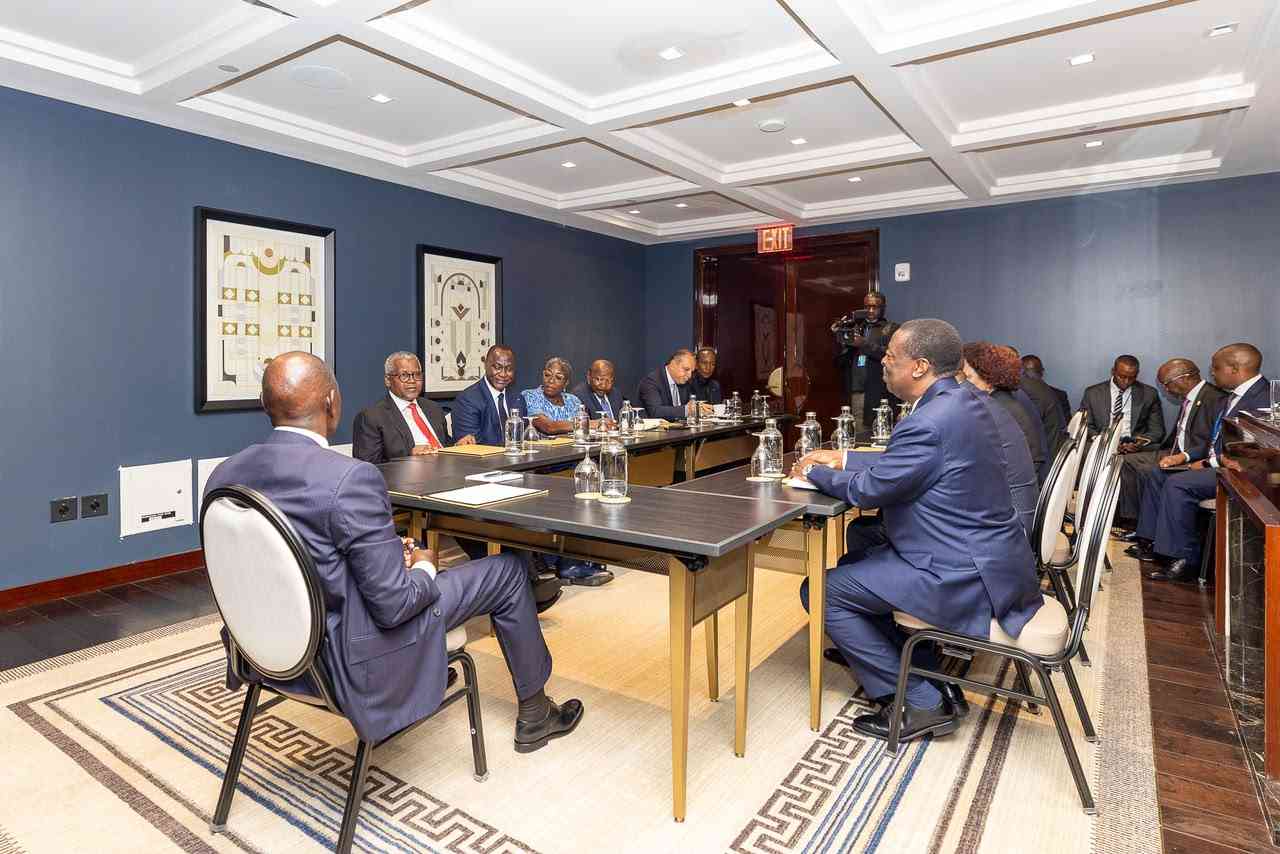
Ruto made four requests to rating agencies, insurers, regulators and other institutions involved in financing: price African risk against African experience, make insurance on productive assets affordable, end penalties on long-term assets in prudential and liquidity rules and build bankable project pipelines.
He said African non-bank domestic capital pools have passed $2 trillion, while external concessional and commercial flows to Africa totalled $1.7 trillion between 2014 and 2024.
Official development assistance has also fallen every year since 2020, Ruto said, arguing that Africa can no longer rely on external financing to meet its infrastructure needs.
Kenya has begun putting some of the proposed financing mechanisms in place.
Ruto said the National Infrastructure Fund, signed into law in March, aims to mobilise up to $40 billion for roads, ports, power and water without new public debt.
In May, Kenya listed its first infrastructure fund on the Nairobi Securities Exchange and raised Sh3.4 billion with United Kingdom support. Kenya also increased its equity in the Africa Finance Corporation by Sh3.25 billion ($25 million), Ruto said.
The president said Kenya was willing to expose its own financing system to scrutiny as part of the test.
“If the evidence supports the current methodology, we will accept it. If it does not, we will expect the methodology to change,” Ruto told the roundtable.
The broader goal, he said, is to make it as easy for African institutional investors to finance productive assets as it is to buy government debt.
“The day a Kenyan pension trustee can buy a Kenyan power station as easily as she buys a Treasury bill, this argument will be over,” Ruto said.