American shoe company Converse has removed a global advertisement and issued an apology following intense social media backlash over imagery that critics said evoked Ku Klux Klan hoods and lynching.
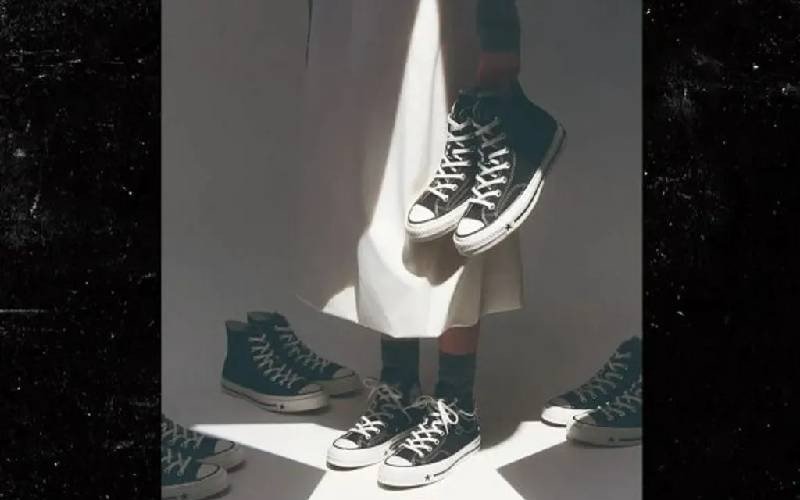
The promotional photo, posted to Converse’s official channels as part of a campaign for its new Chuck 70 X sneaker line, featured South Korean pop star Karina, a member of the K-pop group aespa and a global brand ambassador for Converse.
Viewers quickly raised concerns over the visual composition of the image seen by news outlets, including TNX Africa. The ad featured a star-shaped spotlight intended to mirror Converse’s iconic logo; however, the lighting combined with Karina’s white skirt created a high-contrast shadow resembling a pointed white hood. Additionally, a pair of black high-top sneakers held dangling at her side brought to mind historic acts of racial violence and lynching in the United States.
As public criticism mounted, Converse, which has been owned by Nike since 2003 issued a statement confirming it had pulled the photograph from its social media channels and was removing the ad from all remaining marketing materials.
“This should not have happened and we will do better,” Converse said in its official statement. “We’re sorry. We understand why this image is deeply upsetting and recognize that we got this wrong.”
Founded in Massachusetts in 1908, Converse became a global household brand largely through its famous Chuck Taylor basketball shoe, introduced in 1917. The severe reaction to the ad stems from the painful history of the Ku Klux Klan, a white supremacist hate group formed in the post-Civil War American South. Klan members historically wore white robes and pointed hoods to conceal their identities while terrorising Black Americans, often through acts of mob violence and public lynchings making any visual resemblance to Klan symbols deeply sensitive in American culture.