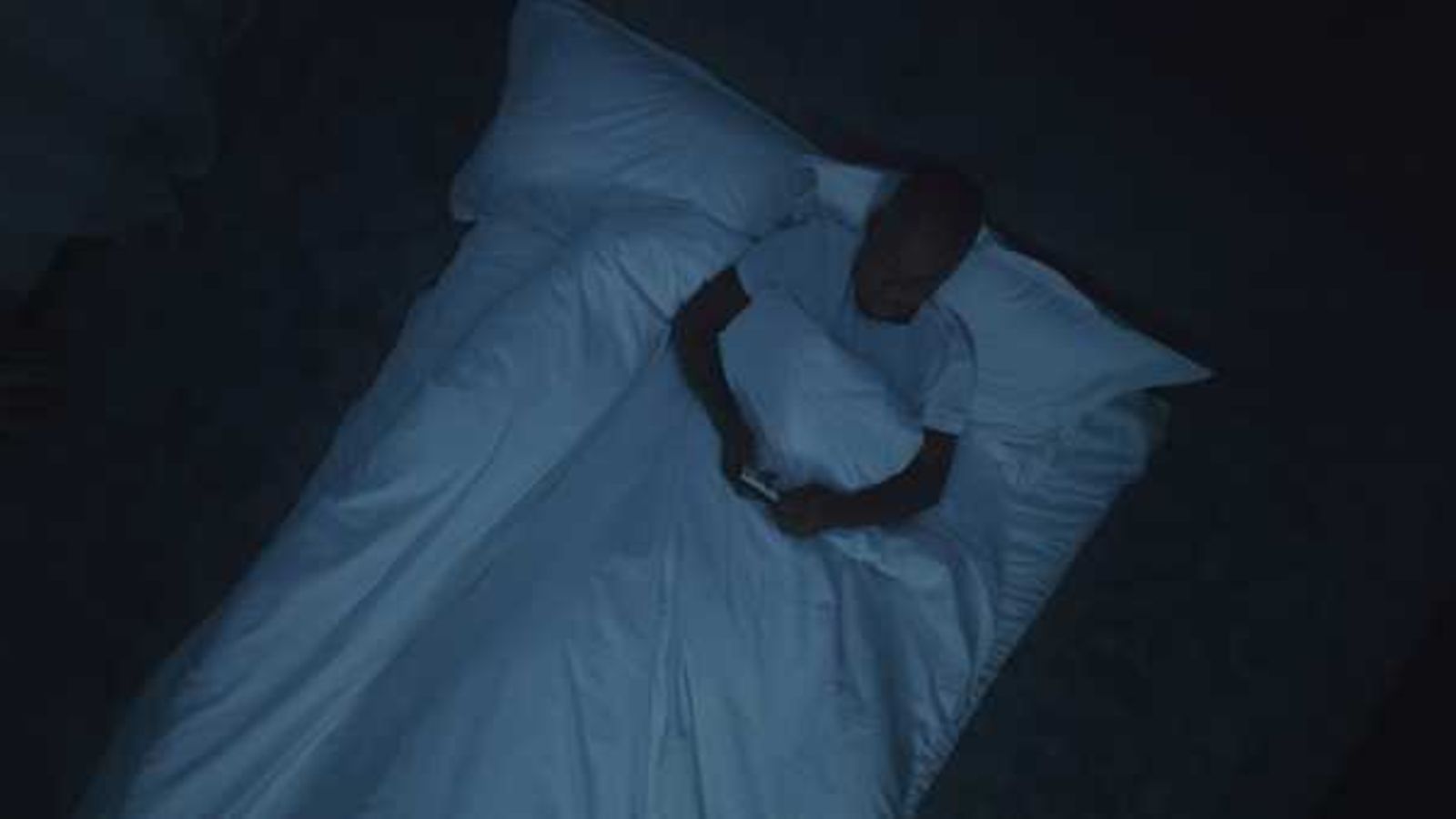
When you are exhausted, sleep should come easily. But for Selina Kathambi, it did not. After giving birth to her daughter, she expected the usual challenges of new motherhood; sleepless nights, colic, sore nipples and eczema. What she did not expect was to spend night after night awake because her daughter could not tell the difference between day and night.
“I had expected the usual demands of caring for a newborn, but I was not prepared for caring for a child with special needs,” she says.
Selina had endured 32 hours of labour, and her daughter appeared healthy at birth, crying immediately like most newborns. But eight months later, she was diagnosed with cerebral palsy, and their routine changed dramatically.
By the time her daughter was about a year old, nights had become particularly difficult. She would sleep in short bursts during the day but struggle to settle at night, leaving Selina awake for hours.
“I would stay awake most of the night, and even when she slept during the day, I could not sleep. In my mind, daytime was for being awake and night was for sleeping,” she says.
“I thought I was losing my mind.”
The exhaustion soon began to affect more than her energy. Selina developed brain fog, struggled with household chores and became increasingly irritable and emotionally drained. At her lowest point, she says, she even feared she might harm her child.
“I completely lost sleep, and for a moment, I thought I was losing my mind.”
What confused her was that she was constantly tired. “I did not understand what was happening,” she says.
It was only after she mentioned the problem during a routine clinic visit that a physician told her she was experiencing insomnia and advised her on ways to improve her sleep.
“I was told to avoid coffee and other caffeinated drinks in the evening, to eat a lighter dinner, and of course, to keep to a regular sleeping routine,” she says.
“I even spent almost Sh20,000 on supplements, hoping they would help me sleep, but they didn’t work,” she says.
Her sister then stepped in to help, recommending that she seek counselling in the hope that she would find a way to cope with the emotional exhaustion and demands of caring for the child.
“It wasn’t something that changed immediately. I tried counselling because my sister was concerned and worried,” she says.
She attended counselling for two months. This helped her to come to terms with her situation and reminded her to be gentler with herself, but her sleep problems persisted.
She spent about another three months searching for something that could help. Then her sister told her about a sleep therapist she had come across on TikTok.
After an intensive search, the therapist she chose recommended changes to her routine and sleeping environment. One of these was a blackout curtain.
“Honestly, I had never heard of blackout curtains before. I went to Google and other social media platforms just to confirm this so that I wouldn’t waste my time on something that wouldn’t help me like the previous interventions,” she says.
Another challenge was the environment in which they lived. She lives in a gated community where outdoor security lights remain on throughout the night, making it difficult to distinguish between day and night.
“At night, there are always lights outside, so the bedroom is never completely dark,” she says.
She remembers buying two metres for Sh7,000, but this did not solve the problem. Unfortunately, she had bought a partial blackout curtain that let in some light, and she had been overcharged.
Selina continued to wake up frequently, sometimes after an hour and a half. She bought another pair for Sh6,000, followed a sleep programme, and made other changes, and this time her sleep duration increased.
“I also had to learn that if I had the opportunity to sleep during the day, I should take it. I couldn’t keep waiting for night,” she says.
Three years later, the 38-year-old says her sleep has improved considerably. She can now sometimes sleep for five to seven hours without interruption, and her daughter also sleeps better, although with the help of stimulants.
“It’s very different from how things were before. I am hoping to get eight to 10 hours of sleep at night and, of course, a good nap during the day,” she says.
The circadian rhythm
Selina is one of many people who struggle to sleep due to various sleep disorders.
Sleep consultant Anisa Samnani says that darkness is one of the signals the body uses to prepare for sleep.
“Darkness is an important cue for our body that it is time to sleep,” she says.
The body has an internal clock known as the circadian rhythm, which responds to light and darkness. As darkness falls, the body increases its production of melatonin, the hormone that prepares the body for sleep.
“Light sends a different message to the brain,” says Anisa. “Bright light tells the brain that it is daytime,that we should be alert, while darkness signals that it is time to wind down and sleep.”
For someone sleeping during the day, sunlight can therefore interfere with sleep. Blackout curtains can help by reducing the amount of light entering the room.
“Blackout curtains can make a meaningful difference, particularly because daytime sleepers are trying to sleep at a time when their environment is naturally bright and active,” she says.
However, Anisa says that curtains are not a treatment for insomnia.
If someone is waking up due to sunlight coming through the window, streetlights, or household lighting, blocking that light could solve the problem. However, someone with ongoing insomnia may have other factors affecting their sleep that need to be addressed.
When buying blackout curtains, she advises people to check how much light gets through around the edges of the window. A curtain may be labelled as ‘blackout’ but still allow light in through gaps at the sides, top or bottom. An eye mask can also help if curtains alone are not enough.
Creating a sleep sanctuary
Anisa notes that the rest of the bedroom matters too.
“I like to think of the bedroom as a sleep sanctuary. Ideally, it should be dark, quiet, cool, comfortable and boring,” she says.
She recommends a comfortable mattress and pillow, breathable bedding, and keeping the room temperature between 16 and 20 degrees Celsius. She also advises keeping work and other stimulating activities out of the bedroom where possible.
Noise can make it harder to fall asleep or cause you to wake up. A room that is too warm can also make sleep uncomfortable.
“It’s not just the blue light. Checking messages, scrolling through social media or watching videos can keep the brain engaged when we are trying to wind down,” says Anisa.
She advises putting phones away from the bed, switching off notifications and, where possible, making the bedroom a phone-free
For people working rotating shifts, maintaining the same sleeping hours may not always be possible. In this case, Anisa recommends keeping the parts of the routine that can be controlled as consistent as possible.
“This can include keeping the bedroom dark, cool and quiet, and letting family members or housemates know when it is time to sleep,” she says.
Light can also be used deliberately. Bright light can help with alertness when needed, while reducing light exposure before sleep can aid relaxation.
Caffeine can be useful earlier in a night shift, but Anisa advises avoiding it close to bedtime. Taking a short nap before a night shift can also help with alertness.
Anisa notes that poor sleep can eventually affect more than just energy levels.
“Sleep and mental wellbeing are closely connected,” she says. “It can contribute to irritability, low mood, difficulty concentrating, memory problems, and excessive daytime sleepiness.”