Telecommunications firms, including Safaricom and Airtel, will be blocked from reselling dormant SIM cards until a six-month window lapses, adding compliance obligation costs for networks that have been recycling inactive lines after three months.
For subscribers, the move will give them more control over their lines as they will be able to go for longer without making purchases of services such as calls before they lose their SIM cards.
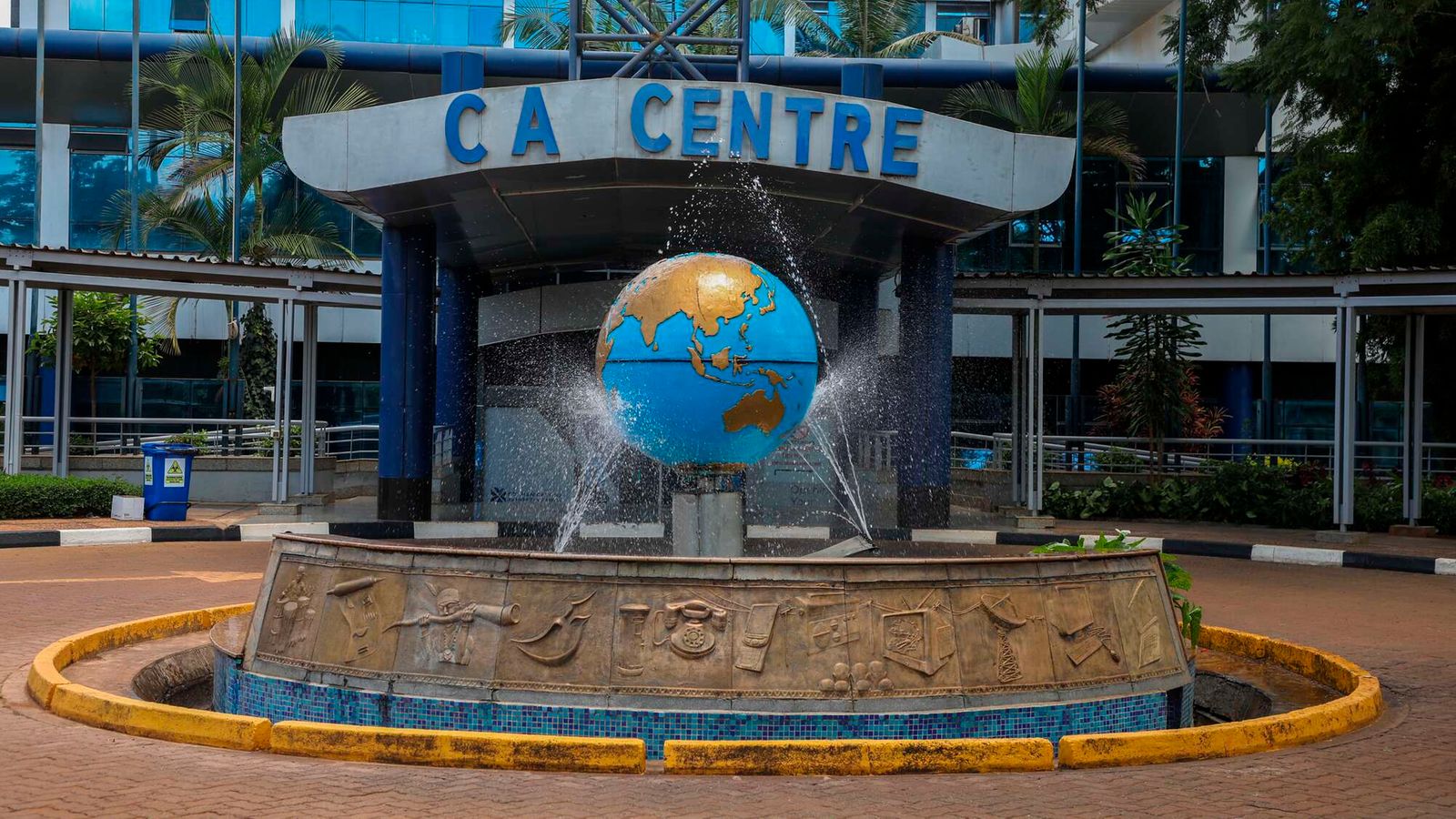
New rules proposed by the Communications Authority of Kenya (CA) require the service providers to contact owners of dormant SIM cards and give them three more months to revive their lines — typically through making new purchases of airtime and data.
The telcos will publish lists of phone numbers due for deactivation a month before they switch them off and on a quarterly basis on their websites, in a newspaper with a national reach, and through other media.
The rules also create special protection for prisoners or people held in remand. The proposals are open to public participation until September 11. The rules introduce costlier compliance obligations for operators, who have been switching off inactive lines to manage the limited supply of numbering resources and prevent network waste.
“Number deactivation and recycling shall be triggered when a number records no revenue-generating activity, such as making or receiving a call, sending or receiving an SMS, using data, topping up airtime or using the number for value-added services, for three months,” the proposed rules say.
After three months without any revenue-generating activity, the telco would then be required to notify the subscriber using the contact details collected during registration, including through SMS and other available contacts. The notification period would continue for another three months unless the customer reactivates the line. Thirty days before the end of this period, the telco will publish a list of numbers due for deactivation and recycling.
“Thirty days before the lapse of the three months and with the number still inactive, the service provider shall publish the list of numbers susceptible to deactivation and recycling if they are not activated within 30 days from the date of publication,” the rules say.
“The generic notice of intention to deactivate and recycle inactive numbers shall be posted on the provider’s website, publicised in other media, and published in the daily newspaper with nationwide circulation quarterly.”
The public notice would include a USSD code for customers to check whether their number is active, suspended, under recycling, or deactivated.
Telcos would also be required to keep records of efforts made to contact affected subscribers. Once a number is deactivated, the operator would have to delink and archive the previous owner’s personal data and ensure it is not accessible to or inherited by a new subscriber.
Inactive SIM cards generate no revenue, yet they occupy network resources such as routing databases and signalling systems, creating a cost burden for operators. Telcos recycle them to manage a finite pool of mobile numbers allocated by the CA and ensure continuous availability for new subscribers as demand for more lines grows.
Doubling the period the companies maintain millions of dormant lines across their networks would increase their expenses. Safaricom and Airtel have never disclosed the operational cost of maintaining a single dormant line.
However, reselling lines has raised security and privacy concerns as phone numbers have become a key gateway to financial services, online accounts and security authentication in the digital age.
In March, the High Court barred telcos from automatically recycling inactive or dormant phone numbers without the original subscriber’s consent after an inmate moved to court to challenge SIM card relocation after periods of involuntary inactivity.
The court said the practice risks privacy breaches, as new users could gain access to residual data linked to mobile banking, messaging platforms, and online accounts. It directed the State to develop regulations governing the management of inactive numbers.
Safaricom charges customers between Sh200 and Sh1,000 for a service that lets them retain inactive lines for fixed periods of between six months and two years without topping up.
The CA’s proposals introduce special protection for people serving prison sentences or held in remand for extended periods. The Commissioner-General of Prisons would submit the phone and ID numbers of people serving sentences of more than six months, after exhausting their appeals, for exemption from the six-month inactivity window.
“In the case where a suspect is denied bail and likely to be in remand for more than six months, the Commissioner-General of Prisons shall also facilitate whitelisting of their telephone numbers,” the CA says.
Telcos would also be required to submit lists of deactivated and recycled numbers to a centralised system every quarter, for third parties to update their records before calling or sending SMS messages linked to the numbers.
Newly issued and recycled numbers would, by default, not receive marketing messages from the issuing operator or third parties.
Before recycling a number, telcos would also have to delink it from previously opted-in business-to-consumer messages.