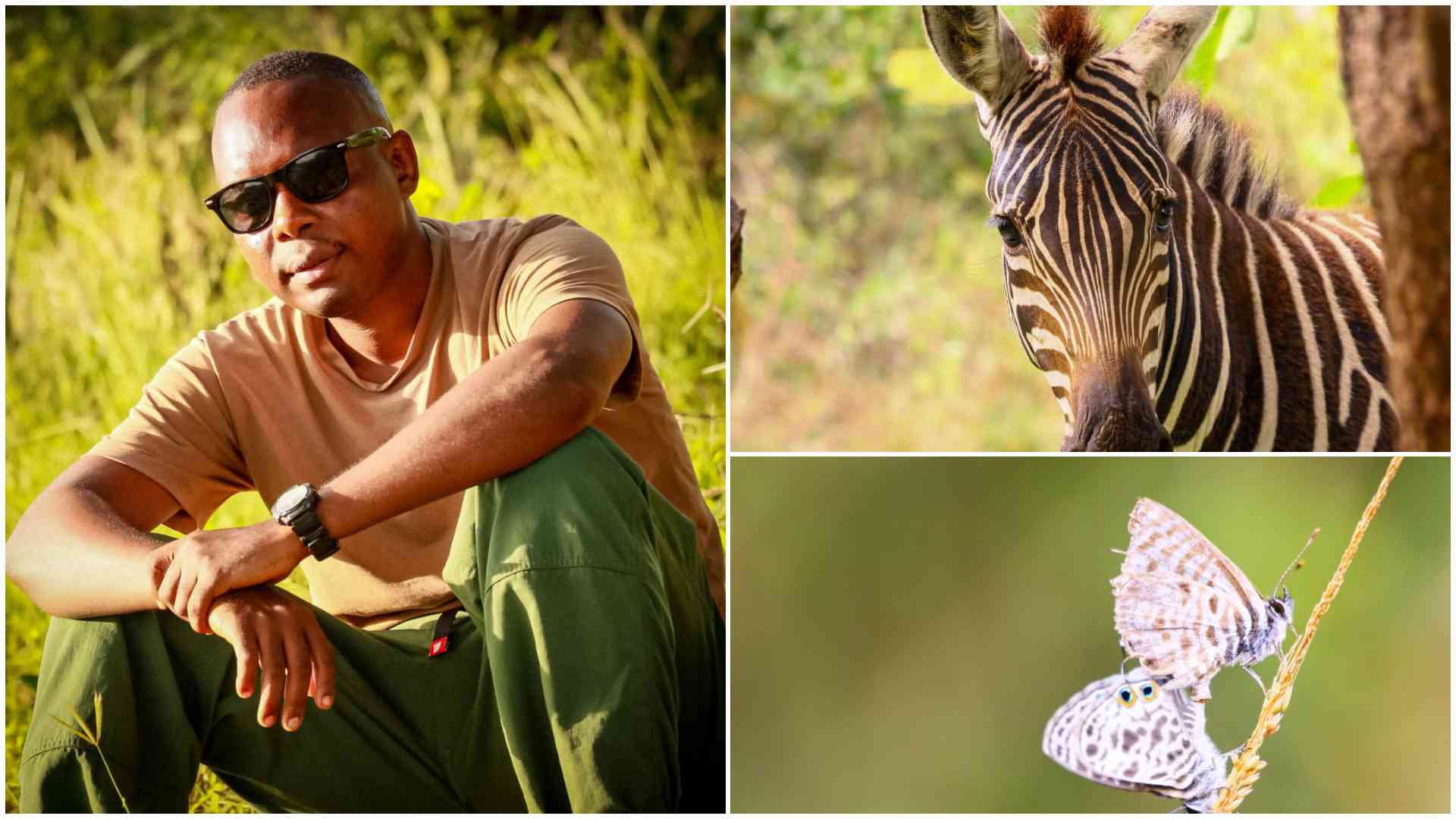
Wildlife ranger and photographer Ali Abedi will present Textures of the Wild, a photo slideshow on August 22 at the Contemporary Image Centre (CIC) in Westlands, Nairobi. The CIC hosts weekly photo slide shows.
Curated by Adam Ibrahim, Textures of the Wild is a presentation that dives into patterns, colours, shapes, lines and forms in nature, from the veins of a leaf captured up close to expansive landscapes. It explores his intimate relationship with the natural world.
The photographs in the presentation were taken in Chyulu Hills National Park, an area that he describes as a hidden gem. He spends much of his time there as a guide, taking visitors hiking and educating them about animals, birds and landscapes.
“As a photographer, it has made me view nature quite differently, from the hills to the forest to the small animals. This is also therapy. I really connect with nature,” he says.
His photography journey began in 2014, when he was working at Mount Elgon National Park. It started as a hobby to document and share the landscapes he encountered. He would also tell his parents, who are his biggest supporters, stories of Mount Elgon.
He began taking photographs with a phone and has gradually developed his practice, despite the high cost of professional equipment.
He initially focused on landscape photography, capturing mountains, hills, weather and changing climatic conditions. His interests expanded to wildlife, insects, local flora and micro-ecosystems.
His ranger work has taken him to Mount Elgon, Turkana National Reserve, Ruma National Park, Laikipia National Park and Chyulu Hills where he would take photos of nature and wildlife.
His roles as a ranger and photographer overlap. During daily foot patrols, he encounters animals and landscapes that are subjects for his camera. He also photographs sunsets and sunrays.
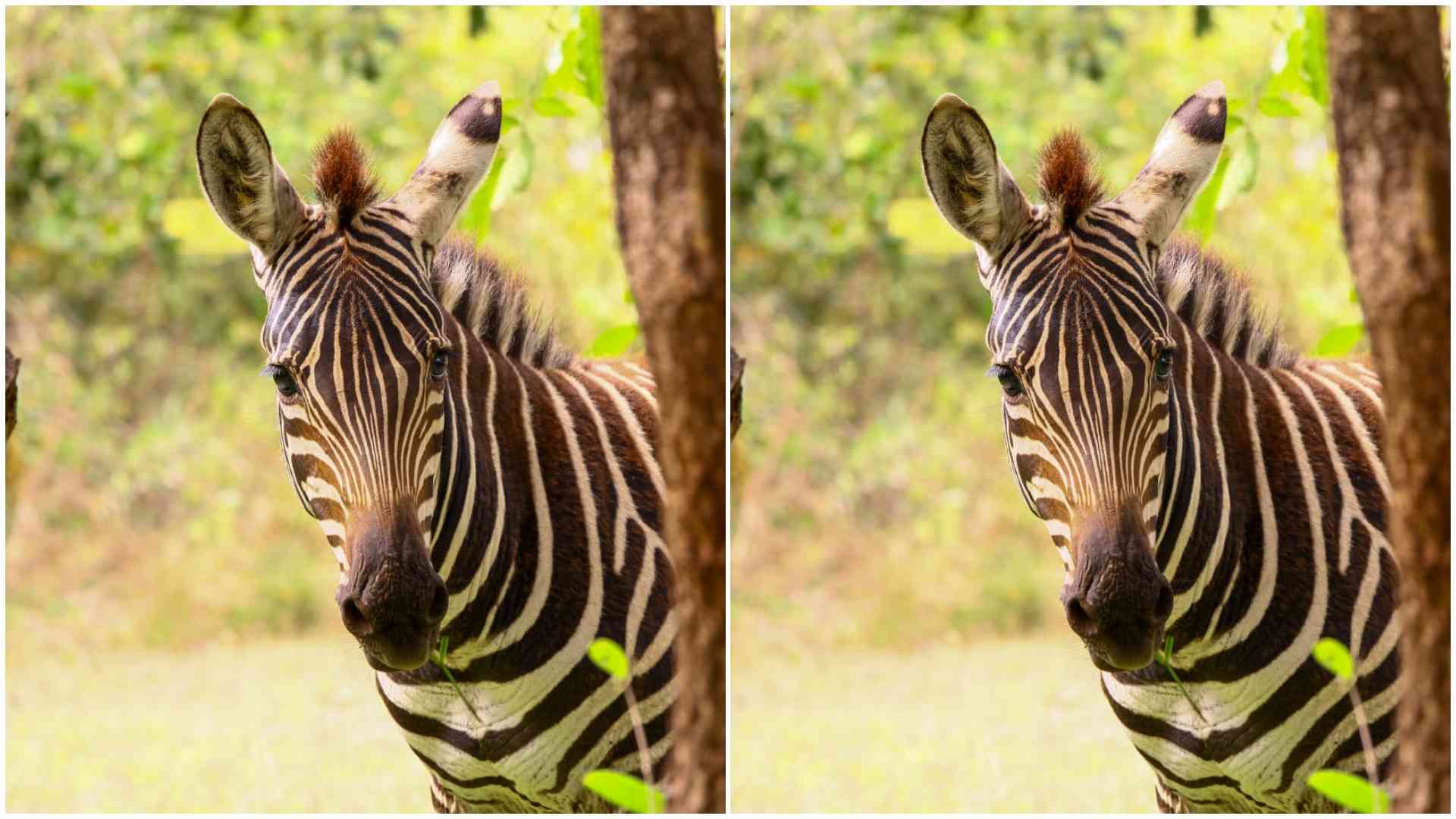
“For me, photography and being a ranger work hand in hand. Through the pictures I can showcase the species, and it is good for conservation. I can give a voice to animals,” he says.
Abedi sees photography as a way of bringing nature closer to people. He believes that images can educate audiences about species and ecosystems while encouraging greater interest in conservation.
“People normally focus on the Big Five and forget that there are also small animals that need to be conserved,” he says.
This interest in overlooked aspects of nature is central to Textures of the Wild. He is drawn to insects, local flora and micro-ecosystems, many of which are seasonal.
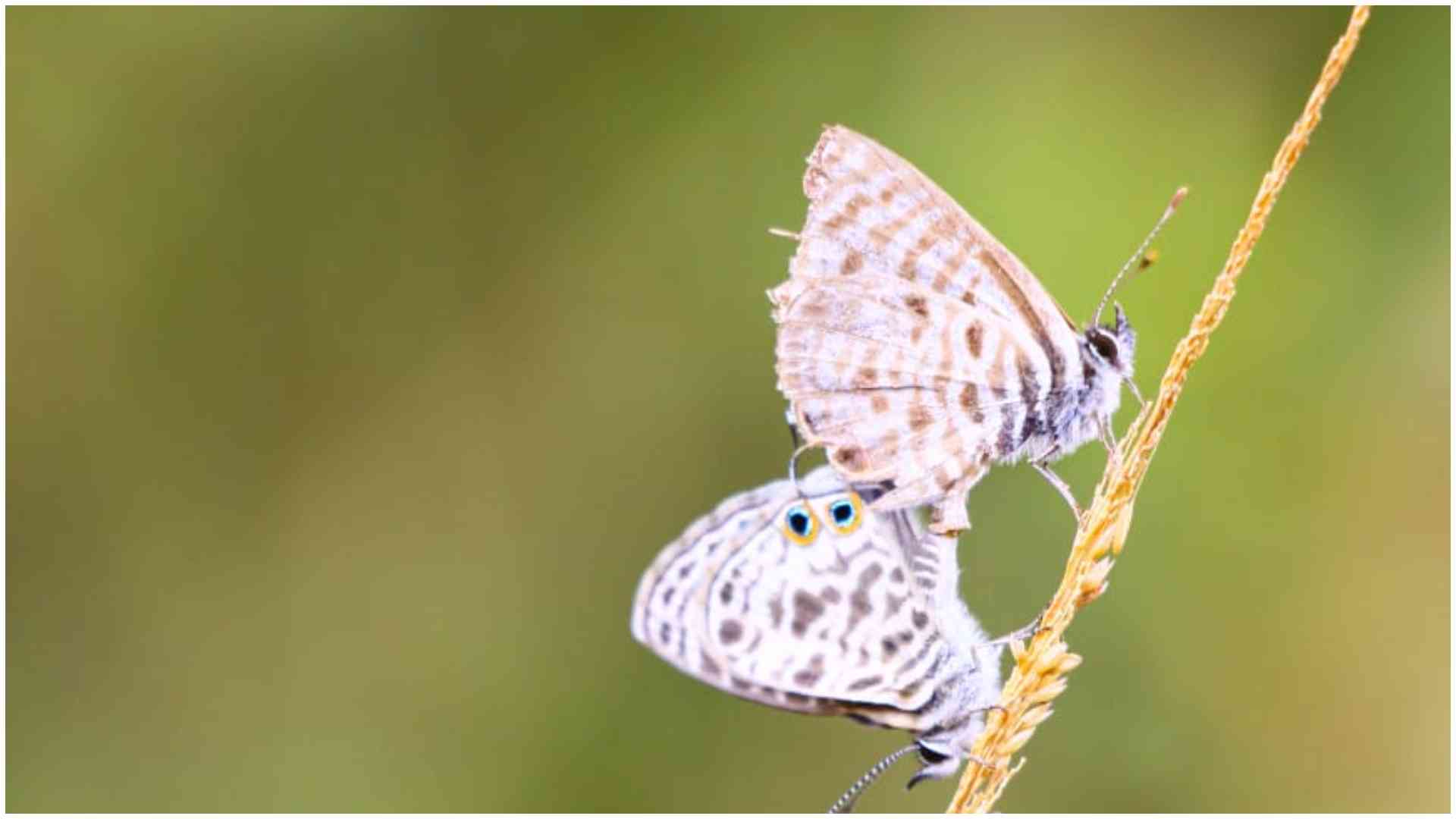
He recalls seeing a bullfrog during heavy rains in Chyulu Hills. He also photographs butterflies and dung beetles, documenting how the landscape changes with the seasons.
“Right now, it is dry and when it rains everything comes to life. That is how I capture them with my camera,” he says.
He has photographed 11 butterfly species and hopes to eventually document 30. For him, these smaller forms of life demonstrate the interconnectedness of the ecosystem. He says that the beauty of the wild also entails that we protect the land for them to coexist.
Through macro photography, he draws attention to details that are difficult to see with the naked eye. He hopes to acquire a 100mm macro lens to further explore this area of his work.
He sees photography as an important tool for conservation since it can raise awareness about environmental challenges and encourage people to protect ecosystems. Photographs can also support research by documenting species and their environments.
Abedi has photographed plants and insects with ecological and medicinal significance. Among the examples he mentions are the Giant African Millipede, which contributes to decomposition and returns nutrients to the soil, and Pea Vine, a drought-resistant plant that attracts butterflies.
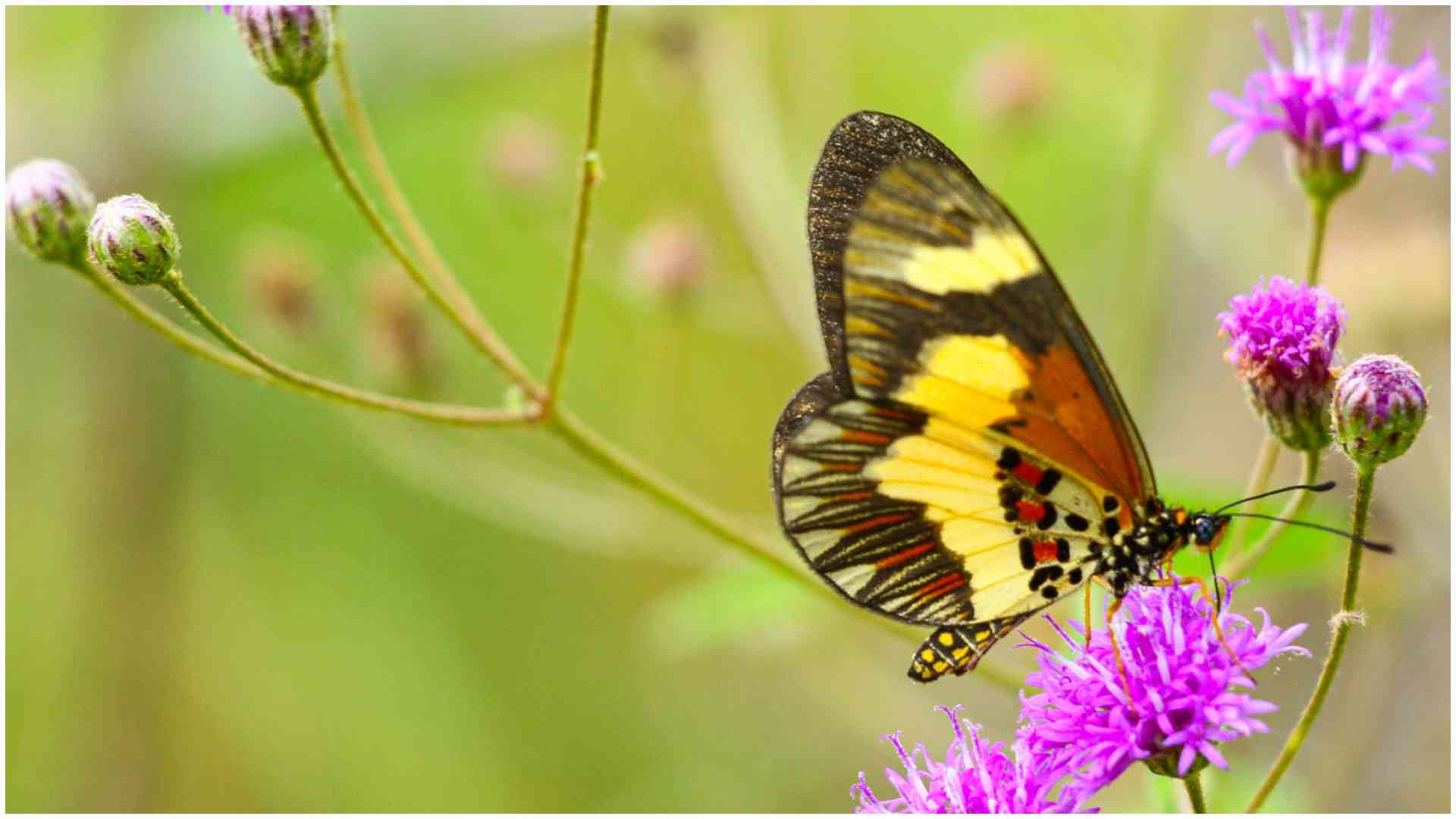
Photographing wildlife also needs patience and discipline. He keeps his distance from animals to avoid disturbing them, while photographing smaller subjects such as butterflies needs him to crawl and wait for the right moment.
His most memorable encounter was seeing two white rhinos mating, though I did not manage to capture the moment.
“Leopards are difficult to photograph because they are shy and disappear when I approach with my camera. Elephants need even greater caution because of their ability to charge,” he notes.
Therefore, he hopes to acquire a telephoto lens that will allow him to photograph wildlife from a safer distance. Despite the challenges, Abedi wants to establish himself as a wildlife photographer and make his work more widely recognised.
“Photography is part of my life. I wanted to bring the adventures of the world and nature to people to showcase. We used to tell oral stories; now we tell them through pictures,” he says.
At the intersection of conservation and photography, Abedi draws on ten years of experience in wildlife protection, ecological monitoring and land preservation. With Textures of the Wild, he hopes to bring audiences closer to the details of nature.
He hopes that the slideshow will encourage audiences to have a deeper connection with nature and notice details that are usually overlooked.
“I like to make people feel a deep bond with nature. It brings awareness because people overlook the small details of nature, like texture,” he says.
He adds, “I am the voice of nature. I want people to know that we need to protect the land and nature, and to tell people that these stories exist.”