The Trade Ministry has pledged to help Kenya exporters recover tariffs paid during the four-month lapse of the US’ preferential African Growth and Opportunity Act (Agoa) trade pact, opening the door to a potential cash injection for manufacturers and agricultural exporters hit by higher duties.
The refunds are expected within 90 days once the proposed extension of the Agoa to December 2028 is enacted.
The Ministry of Investments, Trade and Industry on Thursday promised to work directly with the US customs authorities to ensure eligible Kenyan firms reclaim duties paid between October 2025 and January 2026.
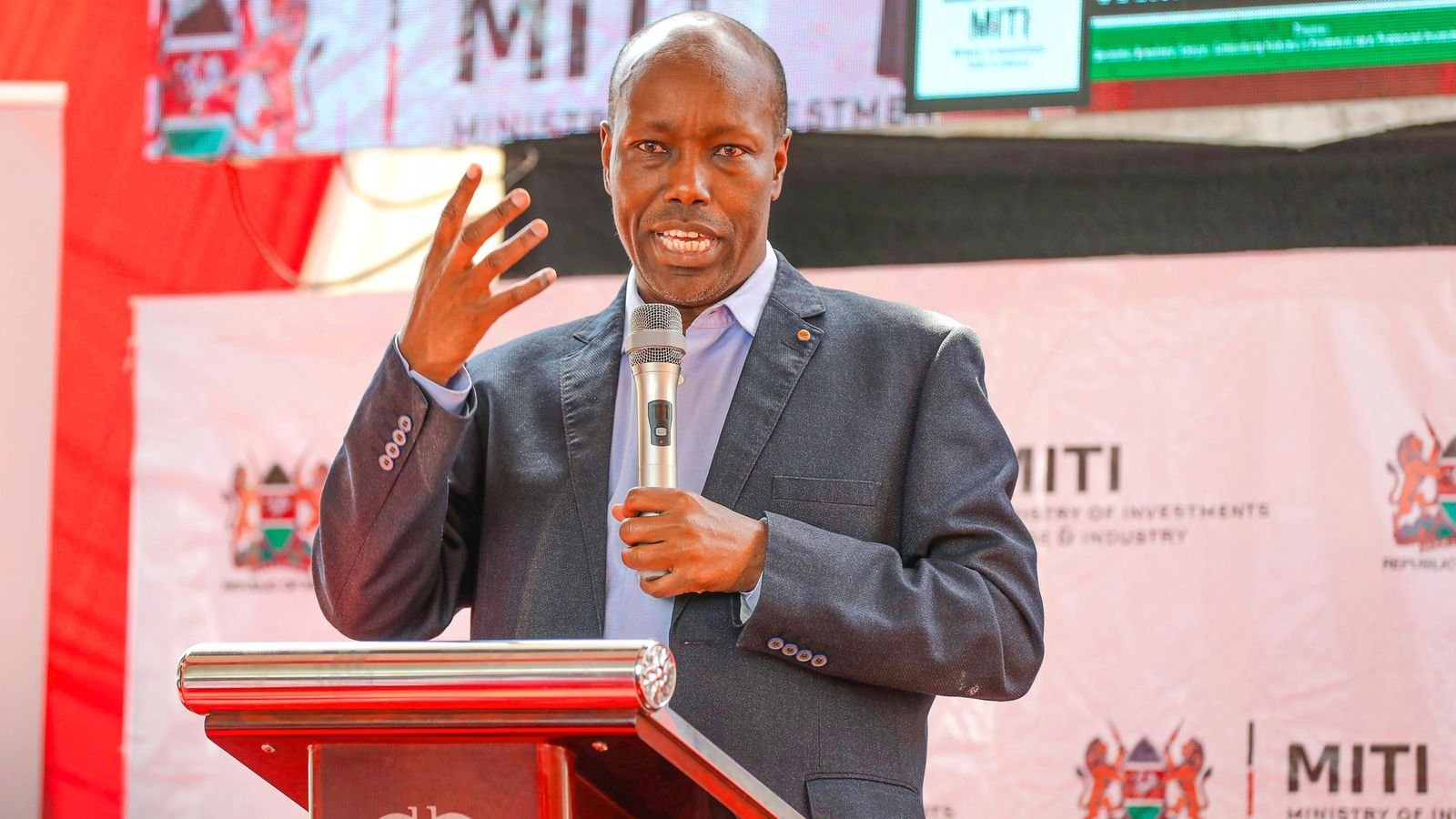
Cabinet Secretary Lee Kinyanjui said the retroactive refund clause in the Bill, passed by the American Senate on August 8, would shield exporters from losses suffered during the period when Agoa had expired before it was renewed through December 2026.
“The Act’s provision for retroactive duty refunds is highly encouraging,” Mr Kinyanjui said in a statement.
“The Ministry will work closely with our exporters to facilitate the filing of requests with US Customs and Border Protection to ensure all eligible duties paid during this window are refunded within the mandated 90 days.”
The Agoa extension still faces a crucial final stage in Washington before Kenyan exporters can begin filing refund claims.
The US Senate attached the extension to a broader stopgap government-funding Bill on August 8, meaning the trade measure is now tied to legislation needed to prevent a federal government shutdown.
Congress must finalise the funding package before September 30, creating a high-stakes deadline that could determine whether the refund mechanism becomes law.
The Bill now moves to the House of Representatives, which can either approve the Senate package or amend the Agoa provisions to better align with the Trump administration’s broader tariff agenda.
Any changes would force negotiations between both chambers before the legislation can be sent to President Donald Trump for signature.
The promise offers rare relief for exporters that absorbed steep tariffs after Agoa lapsed on September 30, 2025, exposing Kenyan shipments to duties that had previously been waived under the preferential trade programme.
Between October 2025 and January 2026, the Kenya Association of Manufacturers said exports to the United States attracted tariffs of between 15 and 42 percent, disrupting orders and squeezing margins.
The duties included a 10 percent reciprocal tariff imposed by the Trump administration on Kenyan exports in August 2025, compounding the burden on apparel manufacturers and agricultural exporters.
Kenya has exported apparel, tea, coffee, macadamia nuts, fresh produce and other products to the U.S. duty- and quota-free under Agoa since 2000, making the programme one of the country’s most important industrial and employment drivers.
The refund pledge is important for factories operating in export processing zones around Athi River and Thika, where Agoa-supported production underpins tens of thousands of jobs.
The latest Kenya National Bureau of Statistics Economic Survey shows Agoa -accredited investments rose 10.4 percent to Sh42.3 billion in 2025 despite uncertainty over access to the U.S. market.
The number of enterprises operating under Agoa increased from 40 in 2024 to 44 in 2025, while employment jumped 22.8 percent to 82,026 workers.
However, apparel exports to the US fell 4.1 percent to Sh58.1 billion in 2025, highlighting the disruption caused by the lapse in tariff preferences and weaker orders from American buyers.
Under the proposed rules, exporters would be reimbursed only for the exact value of eligible customs duties paid during the lapse period.
The refunds would apply only to general ad valorem customs duties and would not include interest payments, merchandise processing fees, anti-dumping duties, countervailing duties or specialized reciprocal tariffs.
The ministry said extending Agoa through 2028 would restore certainty for manufacturers that had delayed investment decisions because of repeated short-term renewals and uncertainty over market access.
“This extension will be a highly significant development for Kenya’s economy … in providing predictability for our manufacturers,” Mr Kinyanjui said.
“The renewed trade predictability through to 2028 aligns perfectly with Kenya’s commitment to supporting local manufacturers to increase their production capacity and diversify Kenya’s export portfolio.”