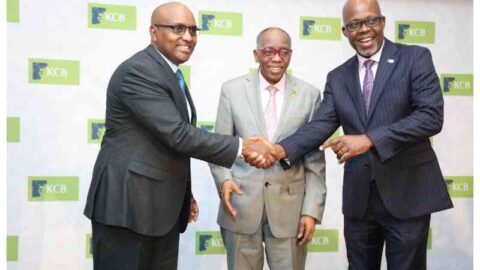
KCB Group has increased its interim dividend by 50 percent to Sh3 per share after reporting a 14.2 percent growth in net profit in the half-year ended June.
The regional lender reported a net profit of Sh36 billion, up from Sh31.5 billion posted in a similar period last year.
Last year, KCB paid an interim dividend of Sh2 per share, which was, however, accompanied by an additional Sh2 per share special payout from the gains realised from the sale of National Bank of Kenya (NBK) to Nigeria’s Access Bank.
KCB management said it will comply with its dividend policy of distributing between 35 percent and 50 percent of the bank’s annual profit even in the absence of one-off gains such as the NBK sale.
“We did about 32 percent payout last year, but that included a special dividend of the distribution of Sh3 from the sale of NBK. Now we are saying we want to get to a minimum 35 percent in 2026 out of pure profits from underlying business, not one-offs,” said KCB Group CEO, Paul Russo.
The group had been retaining the bulk of its earnings in the last four years as it funded regional expansion, and its Kenyan unit, which is the group’s main contributor, recorded mixed performance.
The Kenyan operations outpaced the profitability of its regional subsidiaries in the half-year to June 2026, with a 16 percent growth in net profit to Sh26.5 billion, up from Sh22.8 billion in the period under review.
Its subsidiaries, which include Rwanda, the DRC, Uganda, Tanzania, Burundi, and South Sudan, saw their contribution to the group’s net profit grow by 10.3 percent to Sh9.52 billion.
The group’s profit growth was attributable to a cheaper cost of funds and lower loan loss provisions following improved quality of its loan book.
Its non-performing loans (NPLs) reduced by 17.3 billion in the 12 months to June to close at Sh203.8 billion, being 15.1 percent of its total loan book down from 18.7 percent.
This is the lowest NPL ratio posted by the lender in more than four years. KCB attributes this to court decisions in its favour after some defaulters sued it for pursuing loans extended to them.
The group grew its deposit base by 15.1 percent to Sh1.71 trillion, but the interest paid out to savers declined by 4.6 percent as the price of deposits declined across the region. Its loan book expanded 13.2 percent to Sh1.24 trillion, leading to a 4.2 percent expansion in interest income.
“There was a five percent decline in interest expense on customer deposits driven by strategic re-pricing of high-cost deposits and further supported by a reduction in the cost of funds from 3.9 percent in June 2025 to 3.4 percent this year,” said Mr Russo.
KCB Investment Bank recorded 226.6 percent growth in profit before tax to Sh503.2 million, driven by increased advisory mandates and capital markets transactions. The investment bank’s second half of the year results are expected to be boosted by its role in the government sale of its Sh204.3 billion stake in Safaricom.
Its Corporate Trustee Services posted a 79.8 percent increase to Sh142.5 million, supported by growth in trustee and fiduciary services, while KCB Bancassurance Intermediary delivered Sh335.4 million before tax earnings, which was a 47 percent drop compared to the previous year.
Management attributed the drop in bancassurance business to changes in insurance policy regulations in Kenya, necessitating a change in how commissions are paid.