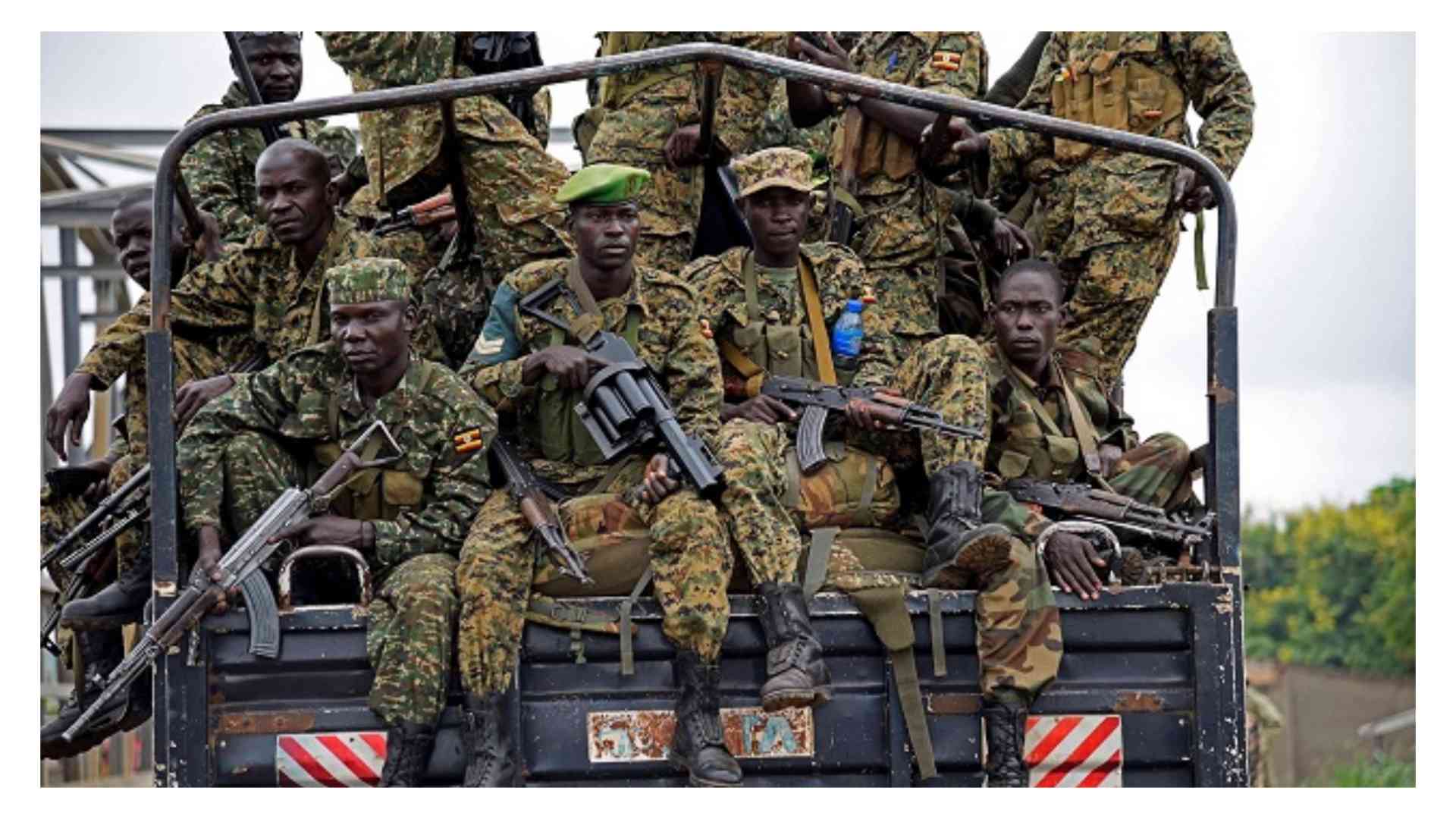
The Parliament of Uganda on Thursday approved a motion supporting the deployment of a Uganda Peoples’ Defence Forces (UPDF) contingent to the Gaza Strip.
The army will join the International Stabilization Force (ISF) following an invitation extended by the United States.
The approval was part of a proposed multinational stabilisation mission to contribute to the international effort to eliminate terrorism and protect civilians in conflict-torn regions.
Tabling the motion, Minister of Defence and Veteran Affairs Kiryowa Kiwanuka defended the move, noting that it is part of Uganda’s constitutional framework and international peacekeeping legacy.
“Uganda has a strong army with capable organisational structures which have enabled Uganda to successfully support peace operations, notably in African missions in Somalia, the Central African Republic, and various United Nations peacekeeping missions,” he said.
Kiwanuka added that the United States had formally requested Uganda’s participation through President Yoweri Museveni, citing that the deployment aligns with United Nations Security Council Resolution 2803 (2025) and President Donald Trump’s diplomatic outreach to President Museveni.
He further emphasised that the broader goal of the deployment is that Uganda’s participation as part of the International Stabilization Force will aid in preventing further conflict in the region.
He assured members that the UPDF will uphold international legal standards to protect civilians without taking sides in political disputes.
However, the initiative became a subject of contestation, with opposition lawmakers raising concerns over parliamentary procedure, operations, transparency, and troop welfare.
“We need to know whether we’re doing well before we release our troops to the risky Gaza Strip,” said Mr Nambeshe, the Acting President of the National Unity Platform (NUP) and Manjiya County MP. He asserted that Parliament must evaluate past deployments before embarking on new ones.
Despite the contestation, the House eventually voted for the move, officially allowing the government to work on the deployment of the troops.