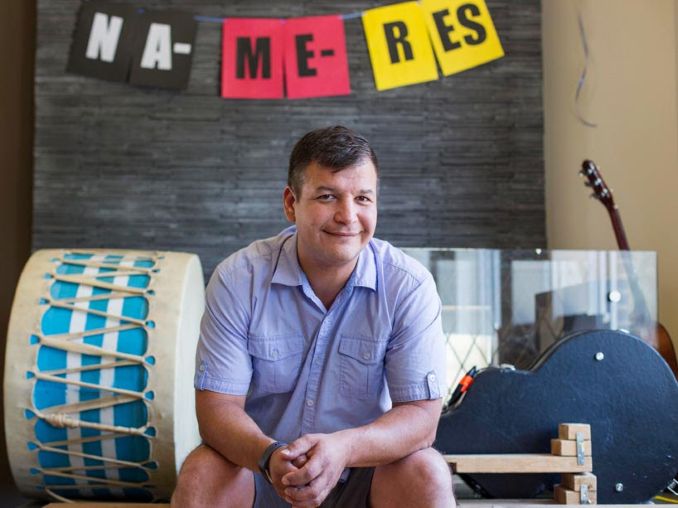
Steve Teekens has spent the better part of two decades doing something most people only talk about — actually solving homelessness, one person at a time. As Executive Director of Na-Me-Res, a Toronto-based Indigenous-led organization he has called home since 2008, Steve oversees a continuum of care that goes far beyond shelter — from streets-to-homes outreach and cultural reconnection programs to five affordable housing developments providing deeply affordable units for Indigenous men who have experienced homelessness.
Describe your charity/non-profit/volunteer work in a few sentences.
I work with Na-Me-Res, a not-for-profit multi-service Indigenous-led organization based in Toronto that is dedicated to serving Indigenous men experiencing homelessness through streets to homes outreach, shelter services, skills training, cultural reconnection and providing affordable housing.
We also operate the Auduzhe Mino Nesewinong Health Clinic that provides primary care services to the Indigenous community across Toronto.
What problem does it aim to solve?
Indigenous people disproportionately experience homelessness in Toronto and across Ontario, and it is critical that this community receives Indigenous-run support that incorporates cultural reconnection into programs, as we do at Na-Me-Res.
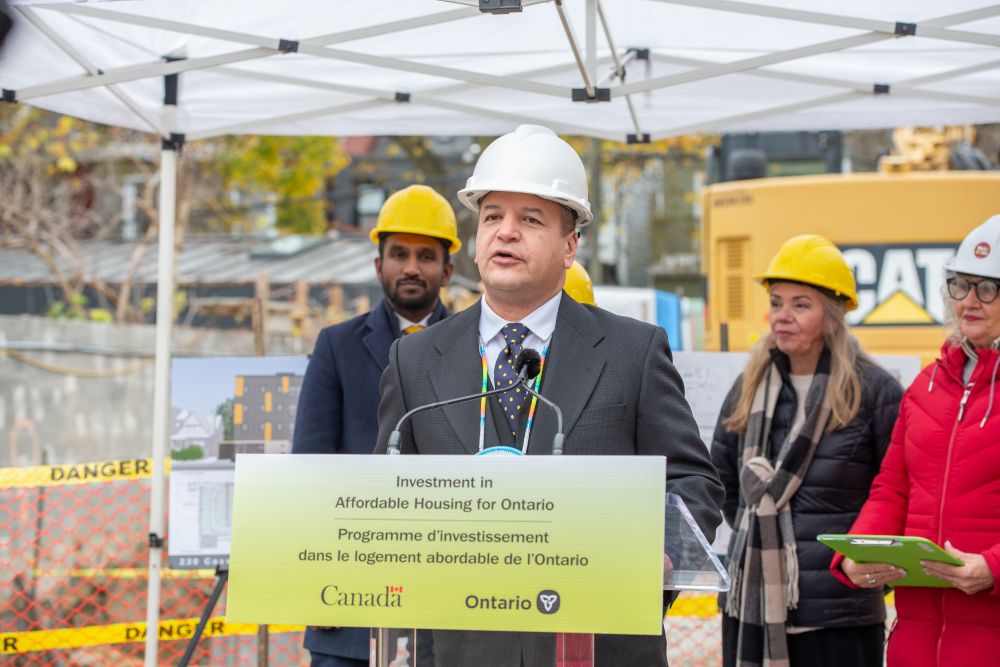
Na-Me-Res started out in 1985 as a shelter organization, but the cure for homelessness is affordable housing, so we’ve had to take matters into our own hands – we currently operate 5 affordable housing developments in Toronto, providing 79 deeply affordable units for our clients, Indigenous men who have experienced homelessness. And we are working to build more.
At Na-Me-Res, we believe that success comes from providing a continuum of care – from getting people off the streets, providing healing/life skill/cultural programs, helping provide/secure affordable housing, and providing follow-up supports and job opportunities.
When did you start/join it?
I first started working at Na-Me-Res in 2008 as a shelter Manager and became the executive director in 2011.
What made you want to get involved?
I have always wanted to help homeless Indigenous people. I believe it is a true Canadian tragedy that the First Peoples of this land are experiencing an overrepresentation of homelessness. Before the first settlers came to Canada, there was no Indigenous homelessness. In a Country as wealthy as Canada, Indigenous peoples should not be homeless at all.
What was the situation like when you started?
When I first started at Na-Me-Res, Housing First was a big deal, where if someone was outdoor homeless, you offered them housing first before any other service. Then, once housed, all the other required supports are wrapped around the individual. The Housing First worked very well when there were more affordable housing units available.
How has it changed since?
As the value of real estate increased, it didn’t take too long for the price of rental units to increase as well. The average market rent in any given community is often unaffordable for people who live on social assistance or ODSP. Additionally, with inflation, the cost of groceries has also gone up and is continuing to grow more expensive. Far too many people are having to decide whether to put food on their tables or pay rent.
What more needs to be done?
Affordable housing is the cure for homelessness, so creating more should be the main focus.
How can our readers help?
Some of the ways to help are showing support for new affordable housing or new shelters in their neighbourhoods, saying yes I want this service in my backyard. Maybe doing a coat or clothing drive for a local shelter when the weather starts to get cold.
Where can we follow you?
Website | Instagram | Facebook
PAY IT FORWARD: What is an awesome local charity that you love?
The Native Woman Resource Centre; they are about to open a new shelter for Indigenous women who are experiencing homelessness and do a lot of heartfelt work for Indigenous women.