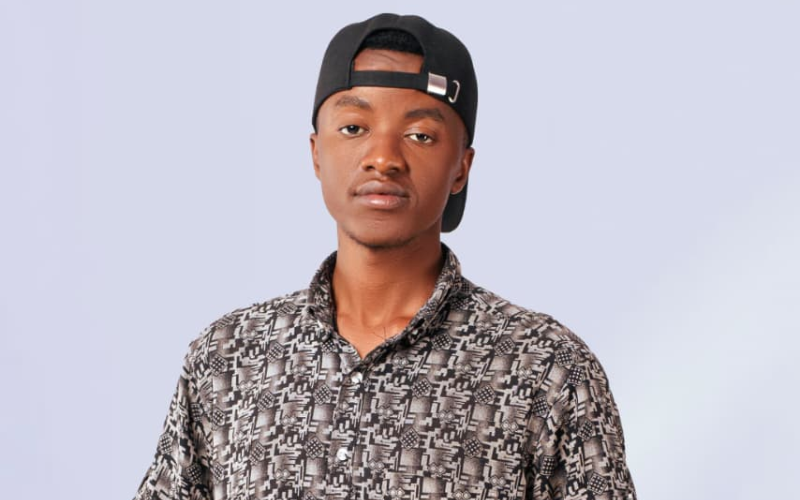
When did your passion for photography begin, given that you are a medical laboratory officer by profession?
It began shortly after I completed high school. I used to take minimalistic photos of small insects, flowers, landscapes, and golden-hour shots using my smartphone. When I joined campus, I had the opportunity to interact with professional gear, volunteer in church, and continue learning.
Where and what did you study in university/college?
I studied for a Bachelor of Science in Medical Laboratory Sciences at Kenyatta University.
Favourite/worst unit while on campus?
I enjoyed virology the most because it gave me a deeper understanding of how viruses replicate, mutate, spread and cause infections. It was especially relevant during a global health crisis. Understanding the mechanisms of viral transmission, the emergence of new variants, and the immune system’s response to infections was fascinating.
Best and least favourite lecturer?
Dr Onesmus Mutuku helped me strike a balance between academics and hustling. I loved all my lecturers, though.
How was campus life generally?
Campus life was fun and eye-opening. I made new friends, learnt new things, faced new challenges, and every day was a learning experience.
How did you make money while on campus?
I used to take portraits at the Kenyatta University Arboretum and earn some income. Over time, I began getting gigs outside the university, which helped me manage my personal expenses.
How was dating on campus?
It was interesting, but it also came with its challenges. It provided the emotional support and friendship I needed at the time. However, balancing academics, personal commitments, and building a side hustle required a lot of time, energy, and focus. As responsibilities increased, it became difficult to give equal attention to everything, so I had to set my priorities right. I eventually took a break and chose to focus on my personal goals and academic growth.
What do you think of campus relationships?
They are an essential part of personal growth. They are so meaningful, but they require some kind of maturity to sustain them for long. On the contrary, they can be distracting too.
Where did you hang out on weekends?
My weekends were packed. I dedicated most of my Saturdays to c
hurch activities, where I spent a significant part of the day participating in fellowship.
I had reserved Sundays for post-production work and preparing for the coming week. I used to unwind at a favourite coffee spot, reflecting, strategising and planning for future goals and projects.
What did you do with your free time?
I perfected my photography skills, walked in nature observing patterns, human behaviour, and how objects cast shadows. I captured images and learnt how to edit them.
Classmates you will never forget?
There are several classmates who contributed much to my overall campus experience and made the academic and social journey memorable.
We had group discussions, did assignments together, and the teamwork forged strong relationships which we have to date.
The friendships, lessons, and memories formed during that time are an essential part of my personal and professional growth.
Are you doing what you studied in school?
Yes, I am into part-time practice. As time passed, we evolved from individual work to establishing a structured company, which has improved efficiency and organisation in our operations.
How did you get into photography?
It started as a passion. I initially used my phone to take photos, and over time, this evolved into a craft that I intentionally nurtured.
What challenges have you faced in the creative space?
Sometimes, work opportunities are unreliable, making it hard to be consistent in the creative space.
Also, a good number of people usually undervalue the amount of time, the creativity and technicalities involved, and the type of equipment required to produce high-quality work. This led to clients expecting professional results without fully appreciating the value behind the creative process.
What changes to policies would you like to see in the industry?
The industry sometimes becomes so competitive and unpredictable, support systems should be put in place in terms of policing, funding, collaborations, partnerships, property protection and a healthy working environment.
What notable mistakes do you see young photographers in the industry make?
Rushing to make money before learning the skill. Learning will always be key in every aspect of this industry.
What should we expect from you in future? Will we see you transitioning to a healthcare practice full-time?
I am looking forward to maintaining a balance between both fields, growing in photography while also advancing in my healthcare career.
What can you tell your young campus self?
Take every downfall as a learning experience, rise and keep walking. Don’t be stressed out, things will get better!
Final words, tips, encouragement or caution you would like to give?
Every great thing will always take time! You won’t build everything in a single day, but with consistency, you’ll reach greater heights. Be patient!