A United Nations report has confirmed multiple allegations of sexual abuse involving members of the Kenya‑led Multinational Security Support (MSS) mission in Haiti, raising serious concerns about accountability within the international anti- gang force.
The report on Special Measures for Protection from Sexual Exploitation and Abuse states that “all the allegations were found to be substantial by investigations conducted by the office of the united nations high commissioner for human rights”, though it did not detail the outcome of the cases.
Investigations were carried out by the Office of the United Nations High Commissioner for Human Rights (OHCHR) with the victims, all female, aged 12, 16, 16, and 18. According to the report, four separate rape cases involving mission personnel were reported and later verified through these investigations.
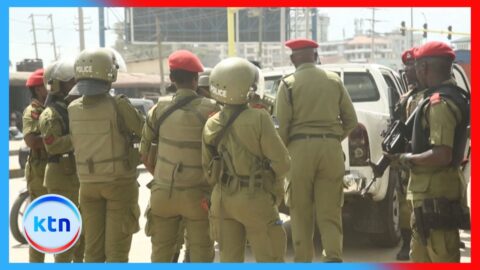
The Kenya led MSS mission, authorised by the UN Security Council and not formally a UN peacekeeping operation, began deploying 1,000 police officers and troops to Haiti in June 2024 with a mandate to de -escalate gang violence in the war‑torn Caribbean nation.
Despite its purpose, the UN has continued to document allegations of misconduct linked to officers serving under its framework aimed at preventing abuse in international operations.
The report categorised all four sexual misconduct allegations as “violations corroborated”, but action taken in response to these findings remains unclear, with most cases still listed as “pending”. In the specific case involving the 12‑year‑old victim, the report indicates that “an internal investigation was conducted by the mission itself”, though no further details were provided.
A UN spokesperson noted that the issue has been highlighted for follow‑up with the new anti‑gang force now taking shape in Haiti, stressing the importance of stronger safeguards to prevent and address sexual exploitation and abuse.
The new contingent from Chad, which arrived in Haiti on Wednesday, April 1, is expected to implement stricter measures to prevent a repeat of human rights violations. Officials emphasised that “as new international security deployments continue in Haiti, robust accountability mechanisms must be established to investigate and publicly report human rights violations.”
This latest development comes barely a week after Kenya received its final contingent of police officers back from Haiti, marking the end of its two‑year mission. The drawdown concluded months earlier than some observers anticipated, but the UN report makes clear that concerns over misconduct now form part of the legacy left behind.
The OHCHR report further emphasized that without “safeguards and mechanisms” in place to strengthen operations, future deployments risk repeating past patterns of abuse. Stakeholders are urging all troop‑contributing countries to ensure cooperation with investigations and take disciplinary action where warranted.
The allegations emerge against the backdrop of longstanding concerns over sexual exploitation in Haiti involving foreign security personnel, including previous UN peacekeeping missions, which faced similar accusations before concluding operations in 2017. In response to past abuses, the United Nations adopted measures such as publicly reporting troop contributing countries and establishing a trust fund to support victims steps critics say have been unevenly applied.
In remarks to the press, advocates for Haitian victims underscored the gravity of the substantiated cases, especially given the youth of some victims. They argued that verifying allegations is only a first step; ensuring justice and support for survivors is equally crucial.
Through the UN framework, reports like this one are meant to bolster transparency and prevent impunity. However, with too many cases still unresolved and details scant, the effectiveness of these measures continues to be questioned.
The OHCHR report’s confirmation that all four sexual misconduct allegations were corroborated makes it one of the most serious critiques of the MSS mission to date. As Haiti continues to contend with gang violence and political instability, the ability of international partners to operate ethically and be held accountable when they do not remain central to rebuilding trust with the Haitian people.