The festive buzz that carried us through December is thinning out, and slowly, inevitably, reality is reclaiming its space. “Travel allows the mind to breathe,” says Anne Mwangi, a Nairobi-based communications consultant and frequent domestic traveller.
“But returning home reminds you that breathing space must now coexist with responsibility. That transition can be emotionally jarring if you are not intentional about it.”
Returning to “normal” is not always easy, especially after a roller-coaster vacation filled with long drives, flights, family reunions, packed itineraries, or even unplanned challenges. Some people delay the transition, postponing unpacking, avoiding emails, ignoring messages, or asking for extended leave days.
“The problem is not going back to routine,” explains psychologist Dr David Munyasia. “The problem is attempting to return at full speed, immediately, without giving the body and mind time to recalibrate.”
“People assume a holiday must automatically make them happy, and when it doesn’t, they feel guilty. However, acknowledging mixed emotions is healthier than pretending everything was perfect,” says to psychologist.
The most important thing to remember, he says, is this: you are back, and you are in control of what comes next. Here are some practical expert tips to help you get your act together.
Put your house and mind back in order
Start small. Resist the urge to fix everything at once. Begin by restocking essentials and checking that household systems are functioning properly – water, electricity, internet, security lights, and appliances. These simple actions signal stability.
“Coming home to order reduces anxiety,” notes Joseph Karanja, operations manager at a Nairobi-based tour company.
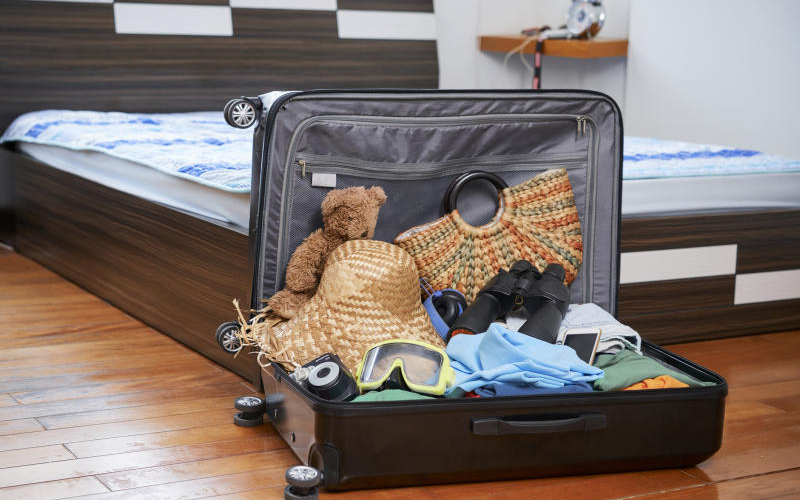
“After weeks of living out of bags and schedules, people underestimate how grounding it is to restore their personal space.” Unpacking is symbolic. It marks the psychological end of the journey. Do it at your own pace, but aim to complete it by the first weekend after your return. Leaving suitcases untouched prolongs the feeling of limbo, half away, half home.
Anne admits she used to delay unpacking. “I realised I was clinging to the holiday. Once I unpack, I accept that life has resumed. Now I do it early as this helps me mentally close that chapter.”
Laundry, sleep and small resets
Laundry has a way of multiplying when ignored. Handle it early to avoid being overwhelmed once work and school schedules resume.
Equally important is sleep. Travel disrupts rest, eating patterns, and energy levels. Returning to your normal bedtime, even when sleep does not come immediately helps reset the body clock.
“Rest is not laziness,” says Dr Munyasia. “It is regulation. When people rush recovery, burnout follows quickly.”
Returning from travel is not just logistical. It is emotional.
Pay attention to how you feel as emails pile up and responsibilities return. Anxiety, sadness, or irritability are common during transitions. Gentle movement, hydration, quiet moments, prayer, journaling, or reflective walks can help ground you.
“The biggest mistake people make is pretending they are fine when they are still tired. Listening to your body early prevents bigger breakdowns later,” Dr Munyasia explains.
Reflect before the year accelerates
Before January gains full momentum, pause and reflect.
Review photos. Capture lessons learnt. Write down moments that stood out, both joyful and difficult. Ask yourself how the trip shaped your perspective, priorities, or relationships.
“Travel is not just about destinations,” says Karanja. “It’s about what stays with you when you return.”
When reflected upon, travel becomes more than a break. It becomes a compass for how we live, work, and relate to others.
The transition back to routine does not have to be abrupt. With intention, it can be gentle, reflective, and grounding.
The holidays may be over, but the clarity, lessons, and memories they offered can continue to guide the year ahead — quietly, steadily, and purposefully.