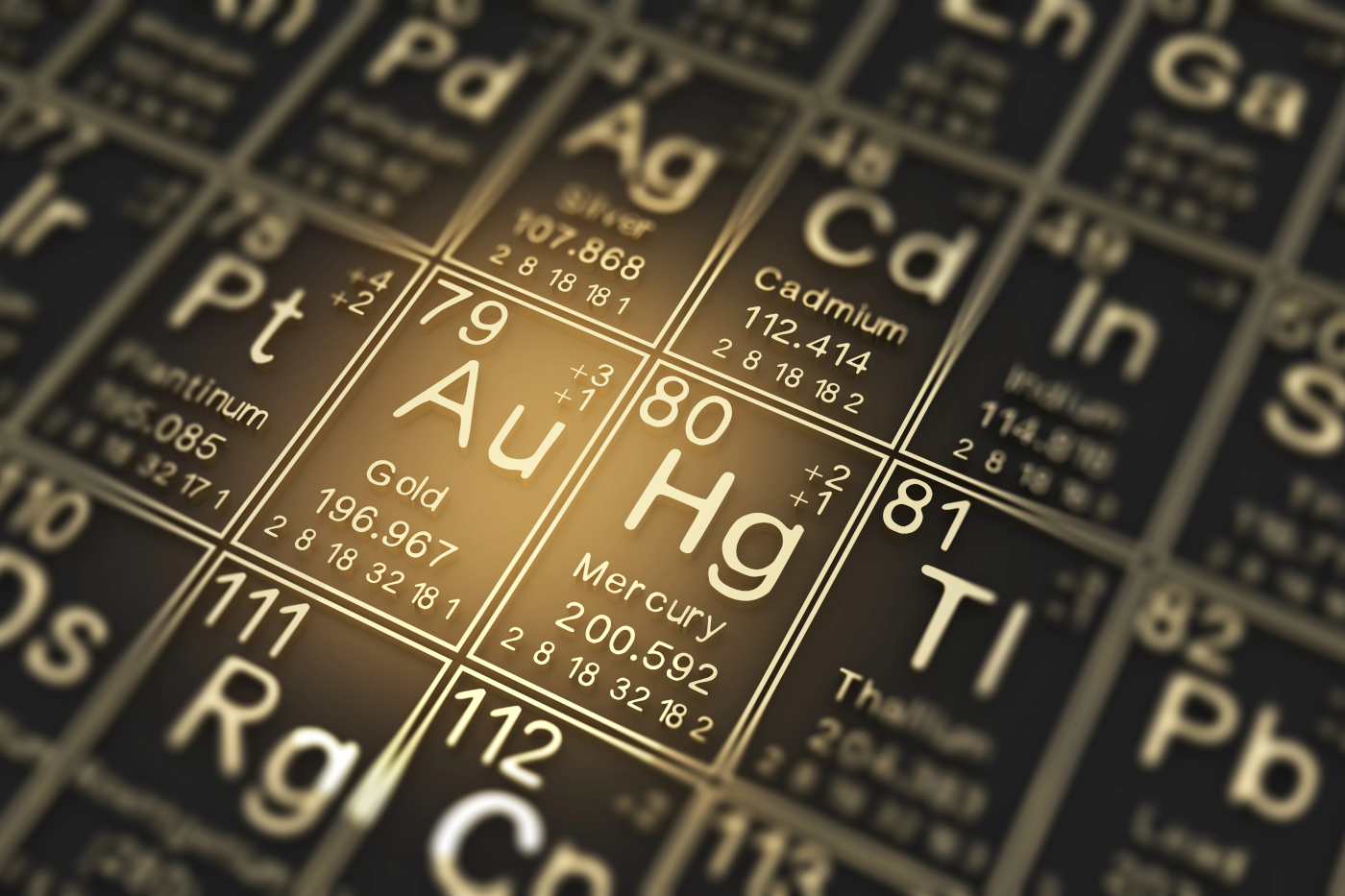
Cannabis — like well-known phytoaccumulators such as Indian mustard and willow — can take up certain heavy metals from soil and store them in roots, stems, and leaves. That’s useful for phytoremediation, but it makes rigorous input control and testing essential when the crop is destined for people or pets. Because products are inhaled or ingested, states set very low action levels for arsenic, cadmium, lead, and mercury; crops that exceed those limits cannot be sold.
Why cannabis is vulnerable to heavy-metal uptake
Heavy metals arise from both natural and human-made sources. Their multiple industrial, domestic, agricultural, medical, and technological applications have led to wide distribution in the environment. Not all heavy metals are hazardous; in fact, some are used as trace elements for plant nutrition. However, others like arsenic, cadmium, chromium, lead, and mercury are of public health significance. Public water supplies are routinely tested for heavy metals to evaluate potential risks for human consumption and to food products like fish.

Heavy metals in the environment can make their way into soil, fertilizers, composts, and some household products. For example, arsenic is present in agricultural products such as insecticides, herbicides, fungicides, and algicides. Cadmium and lead have been measured in the atmosphere and rivers in the vicinity of metal smelters, raising health-safety concerns.
Common sources of contamination in modern grows
While many modern cultivation facilities operate indoors with controlled inputs, proximity to legacy industry or agricultural operations can introduce risk via soils, dust, or overspray. To avoid contaminating crops with heavy-metal levels higher than the allowed limits, nutrients and other inputs designed for consumable cannabis and hemp frequently are tested, leading to the discontinued use of some insecticides and fungicides. Even treating water with chemicals like peroxide can be problematic. Some operators limit use of strong oxidants in irrigation systems because, under certain conditions, oxidants can mobilize metals from scale or biofilms in pipes.
Some growing conditions can reduce heavy-metal absorption by plants. Keeping media pH near 6–7 (soil) or 5.5–6.5 (soilless) helps plant nutrition and tends to reduce the solubility of many metals, which increases in more acidic conditions.
Because of cannabis’s increasing popularity, scientists are increasingly interested in the interactions between the plant and heavy-metal contaminants. In a bioassay published in the American Society for Horticultural Science’s HortScience scholarly journal, researchers found hemp did not significantly translocate arsenic, cadmium, or lead into aboveground tissues under most conditions. Only cadmium reached leaf tissue, and then only when concentrations in the growing media were unusually high.
Practical steps to keep heavy metals out of your crop
Growing cannabis indoors instead of in an outdoor setting allows for better control over the general environment and the inputs used, such as fertilizers and growing media. Testing both the water source entering the facility and the water being recycled helps monitor and control the introduction of heavy metals. Cleaning irrigation lines with fresh water between crop cycles is a good practice to prevent the accumulation of heavy metals and other toxins. Similarly, older equipment, such as pot-filling machines or fertilizer tanks, may have accumulated heavy metals over the years and potentially could release them due to corrosion, galvanic coupling, or pipe-scale disturbance. Corrosion and mixed-metal joins can increase metal release into water; periodic testing of process water and line cleaning helps.
Industry-wide, cultivators have implemented measures to reduce undesirable pests and create a safer environment for workers. Growers increasingly use integrated pest management to minimize pesticide application and promote good crop management with biostimulants or biofungicides. As with any other crop, regularly monitoring pH and electrical conductivity (EC) will help reduce heavy-metal bioavailability.
Why testing methods matter more than ever
Methods for heavy-metal analysis must be adapted to the material tested so the results reflect what is truly available to plants and false positives are avoided. Presently, several laboratory methods use procedures more appropriate for drinking water than irrigation and do not assess bioavailability. Plant-availability in media is better assessed with extractants (e.g., DTPA, Mehlich-3, CaCl₂) than with total-digest values alone.
Research on cannabis–metal interactions remains limited compared to staple food crops, and more research needs to be conducted for a better understanding of heavy-metal pathways as well as what triggers heavy-metal release throughout production and processing. As research expands, laboratory protocols are expected to evolve, offering methods better suited to the unique components and cultivation practices of this plant.
Heavy metals in cannabis: What growers need to know
-
How do heavy metals get into cannabis?
Cannabis can absorb metals like arsenic, cadmium, lead, and mercury through soil, fertilizers, composts, contaminated water, oxidants in irrigation lines, or even aging equipment that leaches metal as it corrodes.
-
Do indoor grows face heavy-metal risks?
Yes, but they’re different from the ones outdoor growers face. Contaminated inputs, oxidized irrigation lines, recycled water, and legacy equipment can still introduce metals into the crop.
-
Can adjusting pH reduce heavy-metal uptake in cannabis?
Generally, yes. Keeping soil near pH 6–7 or soilless media near 5.5–6.5 can reduce solubility for many metals and limit plant uptake.
-
What tests actually measure plant-available metals?
Extractants such as DTPA, Mehlich-3, and CaCl₂ provide a more accurate picture of what plants can absorb than total-digest or drinking-water testing methods.
-
What does recent research say about hemp and metal uptake?
A HortScience study found hemp did not significantly translocate arsenic, cadmium, or lead into aboveground tissue under typical conditions, except for cadmium at unusually high levels.

As a horticulture specialist with more than thirty-five years’ tenure at Premier Tech, Susan Parent specializes in plant health solutions, microbiology, and grower support. For the past fifteen years, she has helped growers improve crop quality and yield with innovative approaches to enhance plant growth and productivity.